From classic breakfast plates to trendy smoothies, eggs are one of the most iconic foods across the world. But one question that often pops up in kitchens and conversation threads alike is this: Can you blend eggs? And if so, should you?
The short answer is yes — eggs can absolutely be blended. But why you’d blend them, how you do it, and *whether it’s safe depends on several factors.
Read Also
At its simplest, blending an egg just means mixing its yolk and white until they form a uniform liquid. Chefs and home cooks sometimes do this before cooking scrambled eggs because a quick blend ensures that the texture will be consistent and that the proteins mix evenly.
Enjoying this article?
Subscribe for unlimited access to premium sports coverage.
View Plans
Even food writers show step‑by‑step methods for doing this safely: crack the eggs into a separate bowl, pulse in a blender for just a few seconds on low speed, and then cook them gently for soft, creamy results. Blending, when done right, saves time and produces a smoother texture than hand‑whisking.
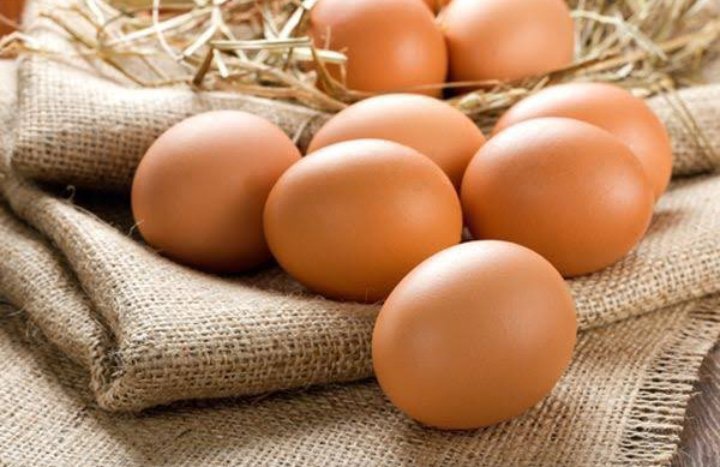
But there’s another world of egg blending that’s far more debated: blending raw eggs into drinks or smoothies. Pop culture has long glamorised this — remember Sylvester Stallone’s character in Rocky gulping down raw eggs for strength? — and health enthusiasts have tried adding raw eggs to shakes for a protein boost.
Here’s where the conversation gets more complex. Raw eggs carry a small but real risk of salmonella contamination — a type of bacteria that can cause food poisoning with symptoms like vomiting, fever, and stomach pain. In some countries, food safety authorities warn against eating raw or lightly cooked eggs unless they’re clearly labelled as pasteurised.
What does all this mean for blending eggs into drinks? Blending raw eggs can disperse any bacteria throughout the liquid, rather than keeping it contained in one area. That makes proper handling and source quality crucial.
Some people opt for pasteurised eggs — eggs that have been gently heated to kill harmful bacteria while still remaining uncooked. These are often used in recipes like homemade mayonnaise or cold sauces for safety.
But there’s another world of egg blending that’s far more debated: blending raw eggs into drinks or smoothies. Pop culture has long glamorised this — remember Sylvester Stallone’s character in Rocky gulping down raw eggs for strength? — and health enthusiasts have tried adding raw eggs to shakes for a protein boost.
Here’s where the conversation gets more complex. Raw eggs carry a small but real risk of salmonella contamination — a type of bacteria that can cause food poisoning with symptoms like vomiting, fever, and stomach pain.
In some countries, food safety authorities warn against eating raw or lightly cooked eggs unless they’re clearly labelled as pasteurised.
What does all this mean for blending eggs into drinks? Blending raw eggs can disperse any bacteria throughout the liquid, rather than keeping it contained in one area. That makes proper handling and source quality crucial.
Some people opt for pasteurised eggs — eggs that have been gently heated to kill harmful bacteria while still remaining uncooked. These are often used in recipes like homemade mayonnaise or cold sauces for safety.

What does all this mean for blending eggs into drinks?
Blending raw eggs can disperse any bacteria throughout the liquid, rather than keeping it contained in one area. That makes proper handling and source quality crucial. Some people opt for pasteurised eggs — eggs that have been gently heated to kill harmful bacteria while still remaining uncooked. These are often used in recipes like homemade mayonnaise or cold sauces for safety.






Comments 0
Sign in to join the conversation
Sign In Create AccountNo comments yet. Be the first to share your thoughts!