In many economies, especially where jobs are scarce, people often face hard choices. A 2023 global ethics survey by the Edelman Trust Barometer found that 62% of respondents believe people compromise their values when under financial pressure.
Yet, there is also evidence that ethical businesses perform well over time. Studies from Harvard Business School suggest companies with strong ethical practices tend to build longer-lasting trust and stability.
“Morals may slow you down at first, but they build something that lasts,” says one respondent.
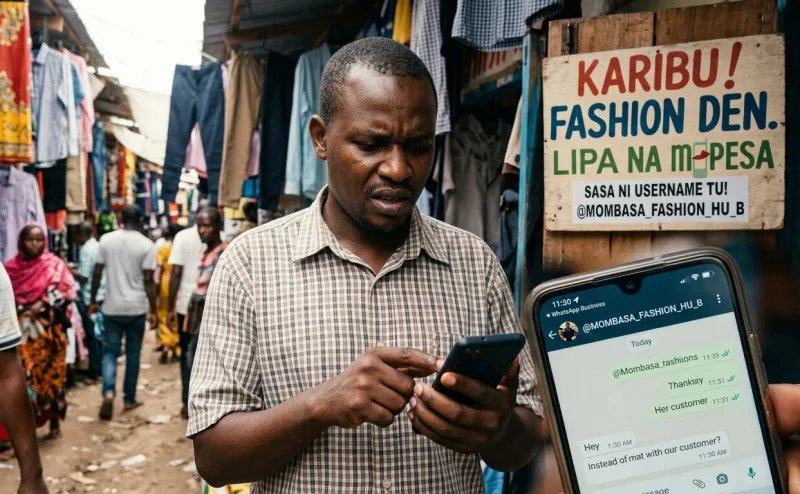
Lost in thought // AI generated
Playing It Safe vs Taking Risks
Advertisement
Advertisement
Playing it safe is often linked to stability. Formal employment, regulated businesses, and structured careers reduce uncertainty. But they may also limit income growth.
On the other hand, high-risk ventures — including informal or unregulated activities — can bring quick returns, but often come with legal or ethical concerns.
Still, long-term trust remains a key factor in business and employment.
“Money comes and goes, but reputation stays,” Brian adds.
Voices from the Ground
Five individuals shared their experiences on how morals affect their income decisions.
1. Brian, 29, Small Business Owner“I run my shop honestly. No fake products. Profit is slow, but customers trust me. I think morals still pay, just not instantly.”
2. Aisha, 24, Freelancer“Sometimes clients ask for things that feel wrong, like copying work. I refuse. I lose money, but I keep my name clean.”
3. Kevin, 35, Taxi Driver“In this job, you can overcharge or take advantage. But I don’t. I prefer steady customers over quick money.”
4. Mercy, 31, Unemployed Graduate“If I had a stable job, I would stick to my values. But when you’re struggling, morals can feel like a luxury.”
5. James, 40, Contractor“There’s pressure to cut corners. If you don’t, someone else will take the deal. It’s a tough balance.”

 Proud shop owner // AI generated
 Lost in thought // AI generated
 Construction planning discussion // AI generated