Social media platforms such as TikTok, Instagram, and Facebook have transformed how people interact, share, and consume information.
While these platforms provide opportunities for connection, creativity, and self-expression, they also have the potential to influence moral behaviour in significant ways.
Studies and observations suggest that constant exposure to social media can shape attitudes, beliefs, and decision-making processes.
The curated nature of online content often emphasizes popularity, validation, and attention, which can subtly encourage behaviours that might not align with traditional moral or ethical standards.The Pursuit of Likes and ValidationOne noticeable trend is the growing emphasis on likes, shares, and followers as measures of personal value.
Enjoying this article?
Subscribe for unlimited access to premium sports coverage.
In extreme cases, some individuals go to great lengths to gain attention, including posting provocative images, engaging in erotic performances, or exposing their bodies online.On platforms like TikTok, some users have been observed performing sexualized dances or using suggestive content during live streams to attract viewers.
The desire for social approval and digital recognition can sometimes override personal boundaries, leading individuals to compromise on values they might otherwise hold in private settings.Erosion of Personal BoundariesSocial media often blurs the line between public and private life.
When exposure and attention are rewarded, individuals may feel pressured to share more intimate or revealing content than they normally would.
This can contribute to an erosion of personal boundaries and a shift in moral standards.
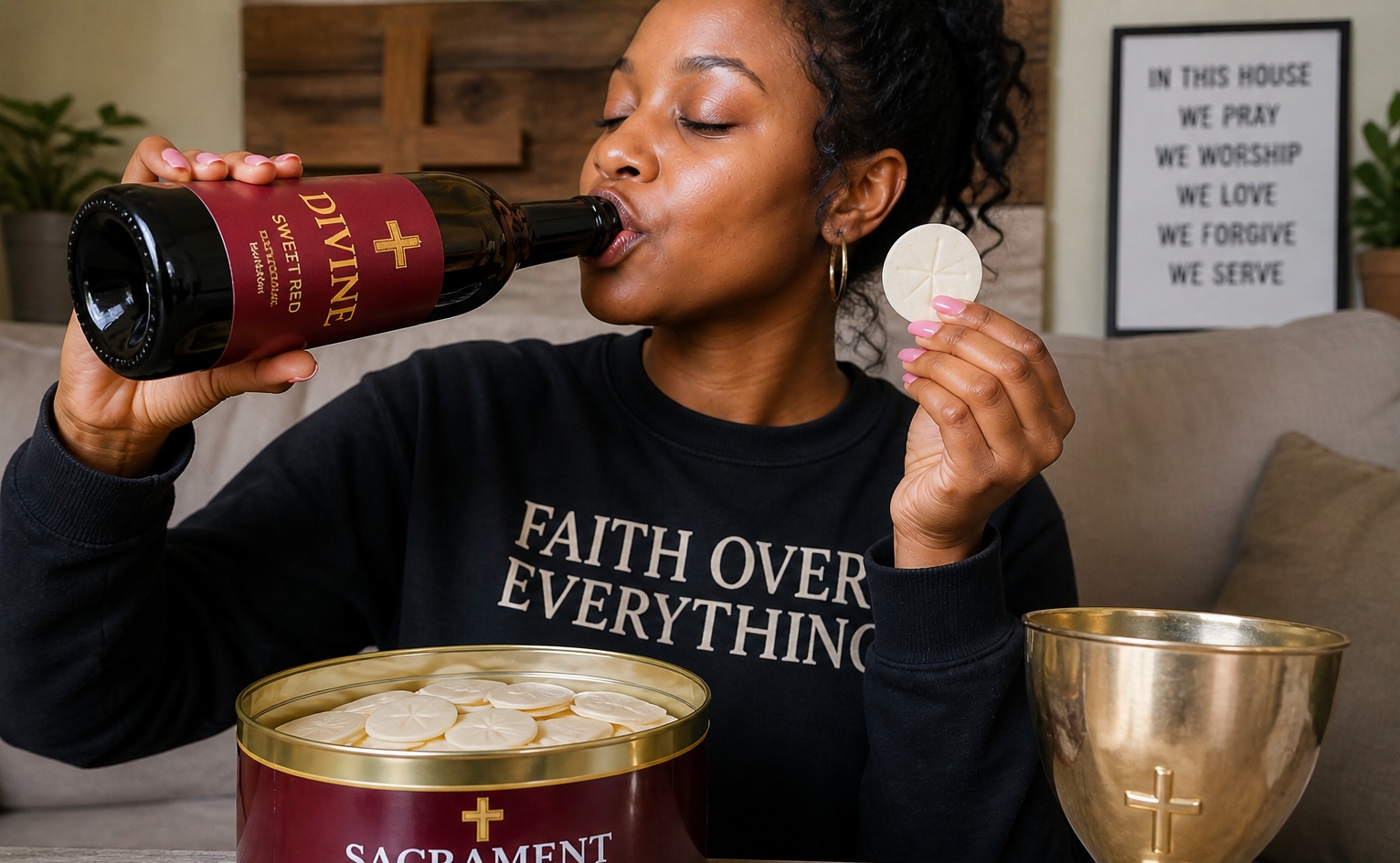
Social Media Personality // AI Generated
The phenomenon is not limited to young people.
Adults, too, may experience subtle shifts in behaviour when validation through online engagement becomes a key motivator.
Over time, repeated participation in attention-seeking behaviours can normalize conduct that might conflict with societal or personal ethical norms.Influence of Peer Pressure and TrendsThe spread of trends and viral challenges on social media can also play a role in shaping moral behaviour.
When certain behaviours are popularized—such as provocative dance routines, explicit content, or risky online stunts—users may feel compelled to participate in order to fit in or remain relevant.Peer influence and fear of missing out (FOMO) can drive individuals to adopt actions that they would normally avoid.
The collective nature of social media reinforces behaviours that gain the most engagement, sometimes at the expense of moral considerations.The Role of Awareness and EducationWhile social media has the potential to influence moral behaviour negatively, awareness and digital literacy can mitigate these effects.
Users who understand the impact of online validation, peer pressure, and attention-driven content are better equipped to make decisions that align with their values.
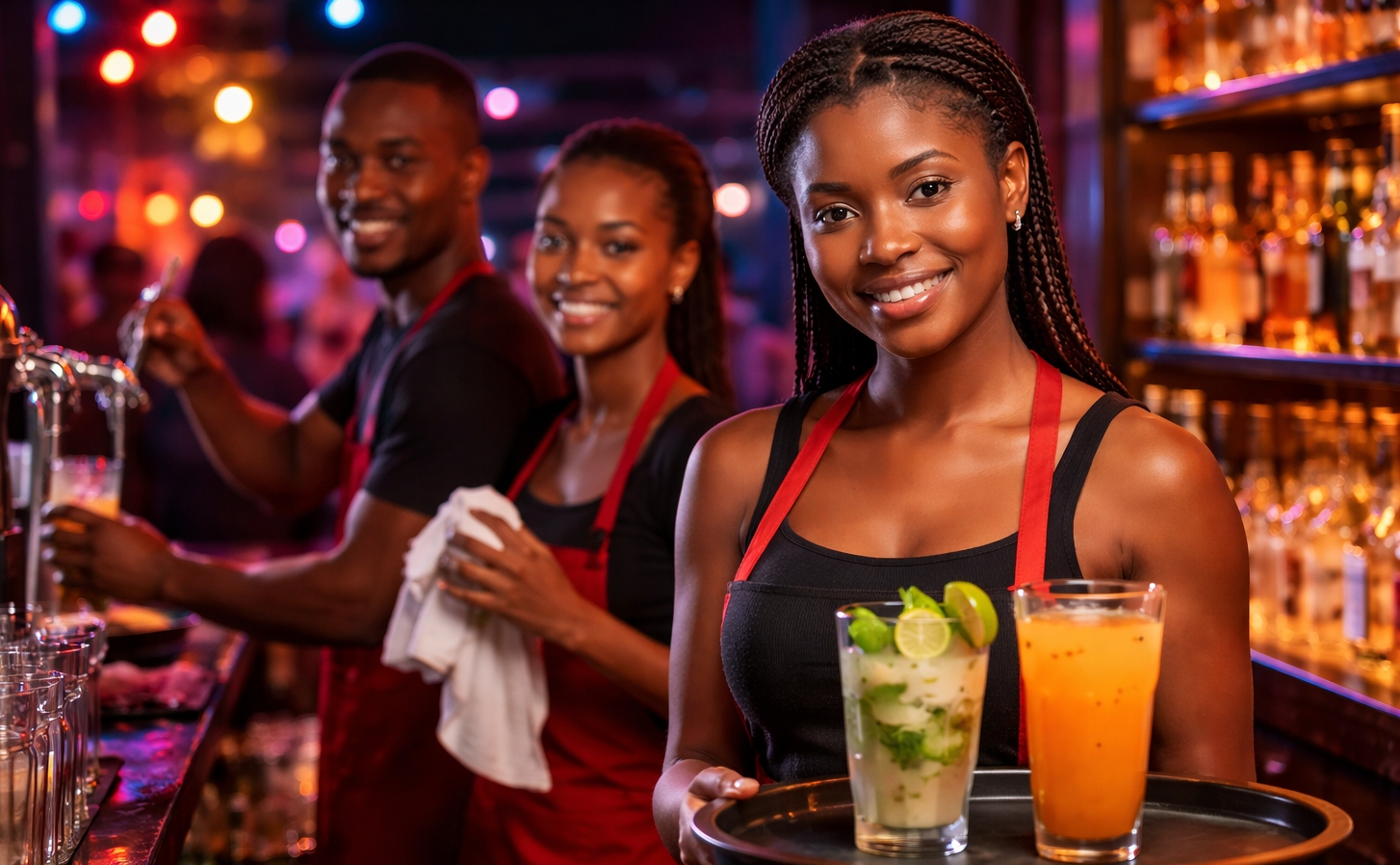
Social Media Personalities // AI Generated
Parents, educators, and community leaders also play an important role in fostering critical thinking and self-awareness among social media users.
Encouraging reflection on the long-term consequences of online actions can help individuals navigate the digital space responsibly.
Conclusion
Social media is a powerful tool that affects not only communication but also personal morals and behaviour.
While platforms can encourage creativity and connection, the pursuit of attention, exposure, and social validation can sometimes lead individuals to compromise their ethical standards.
Understanding the dynamics of online engagement, practicing self-awareness, and promoting responsible use of social media are essential steps toward maintaining moral integrity in an increasingly connected world.








Comments 0
Sign in to join the conversation
Sign In Create AccountNo comments yet. Be the first to share your thoughts!