A new report has exposed serious weaknesses in the implementation of Kenya’s climate and environmental programmes.
The Controller of Budget (CoB) report shows that funding allocated to the environment sector is being poorly utilised.
Several key projects have shown minimal progress halfway through the financial year.
The Environment, Water and Natural Resources sector received Sh5.83 billion for FY2025-26, up from Sh5.42 billion the previous year.
These funds were intended for environmental management, planning, administration and the modernisation of meteorological services.
Yet the CoB found that the State Department for Environment and Climate Change recorded an absorption rate of just 29 per cent in the first six months, well below the half-year linear target of 50 per cent.
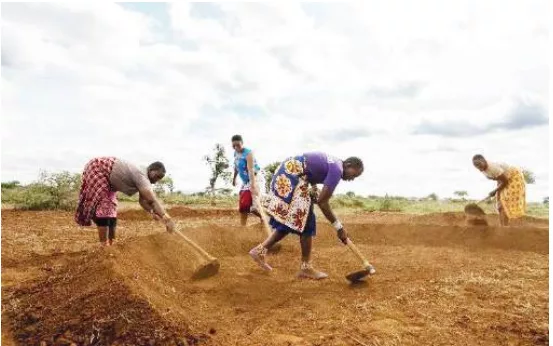
The Water Towers Conservation programme, one of the government’s flagship initiatives, recorded no progress during the period under review.
Other major projects also lagged behind.
The Lake Victoria Climate Resilience project achieved less than one per cent completion, while the National Climate Action Plan, the country’s primary framework for addressing climate change, also stood at one per cent.
Initiatives to combat plastic waste and pollution similarly recorded negligible progress.
In contrast, a few projects performed better. The Water Security and Climate Resilience Project in the Lower Nzoia region reported up to 80 per cent progress.
The report attributes the overall slow pace to procurement delays, slow disbursement of funds and weak project management systems.
Both government-funded and donor-supported programmes have been affected, pointing to structural inefficiencies.
Broader fiscal pressures, including rising public debt and competing priorities such as security and recurrent expenditure, have further constrained the release of development funds.
The CoB notes increased reliance on emergency spending under Article 223 of the Constitution, highlighting ongoing cash flow challenges.
These delays risk undermining Kenya’s ambitions to position itself as a global leader in climate action.
President Ruto has championed initiatives such as carbon markets, green investments and an ambitious plan to plant 15 billion trees by 2032 to achieve 30 per cent national tree cover.
Kenya also hosted the inaugural Africa Climate Summit in September 2023, producing the Nairobi Declaration, which called for accelerated emissions reductions, increased climate finance and green industrialisation.
The CoB report echoes concerns raised by the Auditor General in the 2024–25 audit, which highlighted low fund absorption, weak project management and delays in disbursing resources.
It also pointed to gaps in institutionalising climate initiatives, including the underperformance of the National Climate Change Council and the failure of most ministries to establish Climate Change Units.
While Kenya continues to advocate for global climate leadership, the report shows that domestic implementation of climate priorities remains slow, putting both environmental goals and the government’s broader development agenda at risk.