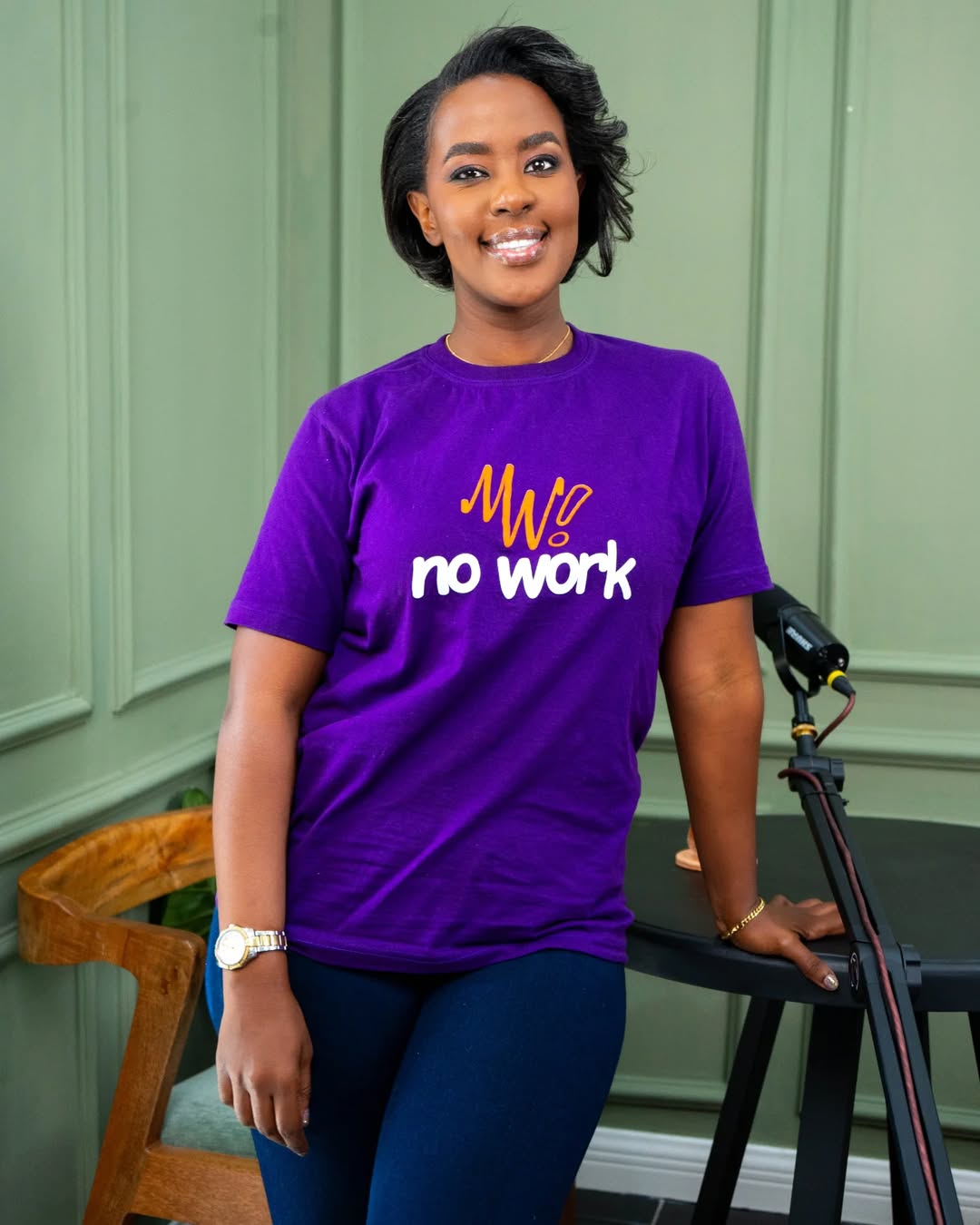
Content creator Lilian Ng’ang’ has called for Kenya’s maternity leave period to be extended from three months to six months, arguing that the current duration is not sufficient for mothers to recover after childbirth and properly care for their newborns.
Current Law on Maternity Leave in Kenya
Read Also
Kenya’s maternity leave policy is outlined in the Employment Act 2007 (Kenya), which states that female employees are entitled to three months (90 calendar days) of maternity leave with full pay. After the leave period, the employee has the right to return to her previous position or a similar job with comparable terms and conditions.
Enjoying this article?
Subscribe for unlimited access to premium sports coverage.
View Plans
The law also requires the employee to notify the employer at least seven days before starting maternity leave. In addition, male employees in Kenya are entitled to two weeks of paternity leave with full pay under the same law.

Call for Longer Leave
In a video shared on her TikTok account, Ng’ang’ said the three-month leave period often forces women to return to work before they have fully recovered from childbirth. She noted that recovery can take longer, especially for mothers who deliver through surgical procedures such as Caesarean sections.
Ng’ang’ also emphasized the importance of allowing mothers enough time to bond with their newborns. According to her, extending maternity leave would give women more time to rest and support their babies during the early stages of life.
“Three months is too short for mothers to heal and properly take care of their babies,” she said in the video.
Infant Care and Early Development
Ng’ang further pointed out that many babies are typically introduced to complementary feeding at around six months, suggesting that the maternity leave period should align with this stage of infant development. The first months after birth are widely recognized as a critical time for breastfeeding, bonding, and monitoring the health of both the mother and child.
ALSO READ: Lilian Muli shares why she has employed two nannies
Labour and health experts have previously noted that the early months following childbirth involve significant physical recovery for mothers, while newborns require constant care and feeding.
Workplace and Policy Discussions
Discussions about maternity benefits in Kenya have periodically emerged among policymakers, labour groups, and women’s rights advocates. Some employers already offer extended maternity leave through internal workplace policies, although the statutory minimum remains three months as provided by law.
Ng’ang’ said extending the leave period could support maternal recovery and allow mothers more time to care for their infants during the early months of development. Her remarks have added to ongoing public conversations about workplace policies affecting new parents and childcare support in Kenya.






Comments 0
Sign in to join the conversation
Sign In Create AccountNo comments yet. Be the first to share your thoughts!