Encroachment on riparian areas has worsened flooding in Nairobi, claiming 28 lives.
Authorities have now moved to restore river corridors and
protect communities from future disasters.
The multi-agency team tasked with restoring Nairobi Rivers
said heavy rains across the country claimed at least 49 lives and displaced
2,624 families.
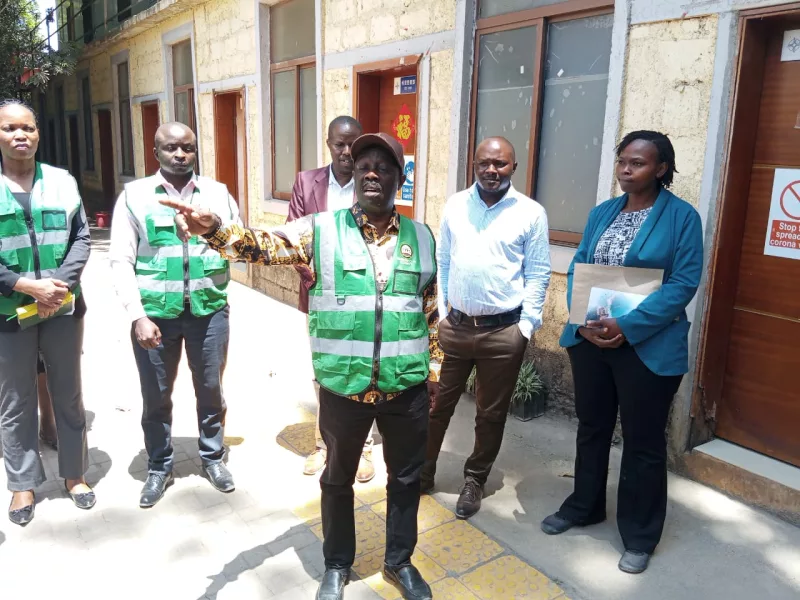
Speaking at a media briefing at Kamukunji on Tuesday,
Brigadier Joseph Muracia said preliminary observations indicate flooding has
been worsened by encroachment on riparian reserves and floodplains.
Other causes are obstruction of waterways and stormwater
drains, construction of permanent structures within riparian areas, and improper
waste disposal.
“These floods are a painful reminder of the increasing risks
posed by extreme weather and the urgent need to safeguard human life and the
natural systems that govern the city,” Muracia said.
He warned that all encroachers would be moved if they do not
vacate voluntarily.
The commission is currently demarcating riparian areas along
the river basin to reclaim the land.
Ongoing interventions include restoring riparian buffers,
improving water flow in river channels and stormwater systems and establishing
safe flood zones to protect surrounding communities and critical
infrastructure.
“The restoration of riparian and floodplain corridors is a
critical step in addressing flooding, pollution and environmental degradation
affecting Nairobi’s river systems,” Muracia said.
He added that the Nairobi Rivers Regeneration Programme will
strengthen climate resilience, improve urban drainage and restore the
ecological integrity of the city’s rivers.
Muracia urged residents and businesses operating within
riparian areas and floodplains to cooperate with the ongoing demarcation
exercise.
“The laws governing riparian areas must be respected and
public cooperation is essential to ensure the safety of communities and the
successful restoration of Nairobi’s rivers,” he said.
The commission has fixed about a third of the 60km of trunk
sewer along the basin.
The sewers, measuring 1.8 metres by 1.8 metres, are designed
to last 75 to 100 years.
Mumo Musuva said the recent flash floods highlight the urgency
of the work.
He said blocked drainage systems contributed to the floods
and emphasised that much of Nairobi sits on a floodplain, where rivers
naturally spread during heavy rains.
“As riparian areas are recovered, the next phase is river
engineering,” Musuva said.
He added that some rivers are being widened to 30 to 35
metres to handle increased water volumes and that floodplains are being
restored to absorb excess water and reduce damage.
The multi-agency team is also managing sewage and solid waste. Public spaces, including one under construction in Kamukunji, are part of the regeneration project.
The Gikomba market riparian area is set for a facelift, with
no traders displaced, while mechanics affected by floods in Grogan will be
provided alternative operating areas.
Musuva said no affordable housing projects will be developed
on riparian areas.
Simon Osumba said authorities will continue removing
encroachers to ensure the project succeeds.
Patrick Analo said Nairobi’s rivers are one of the city’s
greatest assets and must be protected, conserved and accessible to residents.
Analo said the county will roll out a comprehensive waste
collection programme, followed by strict enforcement, to curb illegal dumping
in waterways and rivers.
“We will no longer allow Nairobi River to remain neglected,
as it has for so many years,” he said.