Rival factions in the party have been issuing conflicting statements over the fate of the deal as the March 7 deadline approaches.
The agreement, which was meant to guide cooperation between ODM and the ruling United Democratic Alliance, is now at the centre of a heated debate within the opposition party.
Two camps within ODM, one aligned to Siaya Senator and party leader Oburu Odinga and the other to Nairobi Senator Edwin Sifun, have taken sharply different positions on whether the committee implementing the agenda should continue beyond the March 7 deadline.
Sifuna has
accused the committee charged with overseeing the UDA–ODM 10-Point Agenda of
failing to make meaningful progress and ruled out the possibility of extending
its mandate beyond the agreed timeline.
According to the Nairobi senator, the agreement was deliberately structured to run for a fixed period ending on March 7, 2026.
“Anybody who wants to extend this MoU, I have said it before, you must go to Bondo and get Baba’s signature,” Sifuna said in a recent interview.
The senator argued that the late ODM leader intentionally crafted the pact without an extension clause because it was meant to address specific governance concerns within a clearly defined timeframe.
Sifuna’s
camp has further warned that failure to meet the set deadline would effectively
signal the collapse of the cooperation agreement between Ruto and Raila.
However, leaders aligned to Oburu have pushed back against the claims, maintaining that the process of implementing the agenda is continuous and cannot be limited to a strict timeline.
Oburu said the committee would present a preliminary report on March 7 even as work continues.
“There are those who allege that by March 7, the relationship between UDA and ODM is coming to an end. That's not true,” Oburu stated.
Supporters
of the broad-based arrangement between ODM and the ruling party have also
dismissed claims that the pact would automatically lapse.
Busia Woman Representative Catherine Omanyo said the implementation of the 10-Point Agenda should be viewed as an evolving process rather than a one-time event.
“As we tick the boxes, we could also negotiate. We can change priorities according to evolving needs on the ground,” she explained.
Omanyo also criticised the argument that only Raila could authorise an extension of the committee’s mandate, saying such statements were misguided and insensitive.
“Insisting that only Raila could extend the term of the committee is immature. A mature person and a leader cannot make such demands. This is whipping emotions and it is wrong. Let us respect Baba and let him rest,” she added.
She emphasised that the responsibility of leaders now is to ensure that the commitments made in the agreement are honoured.
“I will be there to make sure the government implements what was agreed with Baba. Ours is to take forward what Baba had started,” Omanyo said.
The emerging dispute has sparked concern among political observers who fear it could trigger fresh infighting within ODM at a time when the party is already grappling with internal divisions.
Political analyst Joseph Mutua warned that the contradictory positions could easily open a new front of rivalry within the party.
“The conflicting statements from the two factions within ODM over the deadline of the party’s 10-Point Agenda committee could trigger fresh infighting in the outfit,” Mutua said.
He noted that the competing narratives risk escalating into a broader struggle for influence within the party as different leaders attempt to shape its future direction.
“The dispute could easily escalate into a broader struggle over control of the party’s reform narrative and strategic positioning,” he stated.
Mutua further warned that unless the disagreement is addressed early, it could deepen the divisions already visible within the party and ignite another round of internal wrangles.
Perhaps sensing the potential fallout, Ruth Odinga has already called for unity in ODM and urged the dissolution of the rival Linda Ground and Linda Mwananchi factions that have been competing for influence in the party.
Ruth argued that ODM must consolidate its ranks and present itself as a strong and united political force capable of negotiating pre-election coalitions from a position of strength.
The two factions have increasingly shaped political alignments in the party.
Linda Ground is associated with leaders perceived to be open to supporting Ruto’s re-election bid, while Linda Mwananchi is largely opposed to granting the President another term.
Linda Ground is led by Oburu, while Linda Mwananchi is spearheaded by Sifuna.
Amid the escalating tensions, a joint parliamentary group meeting between ODM and UDA lawmakers is reportedly scheduled for next week to review progress made in implementing the 10-point agenda.
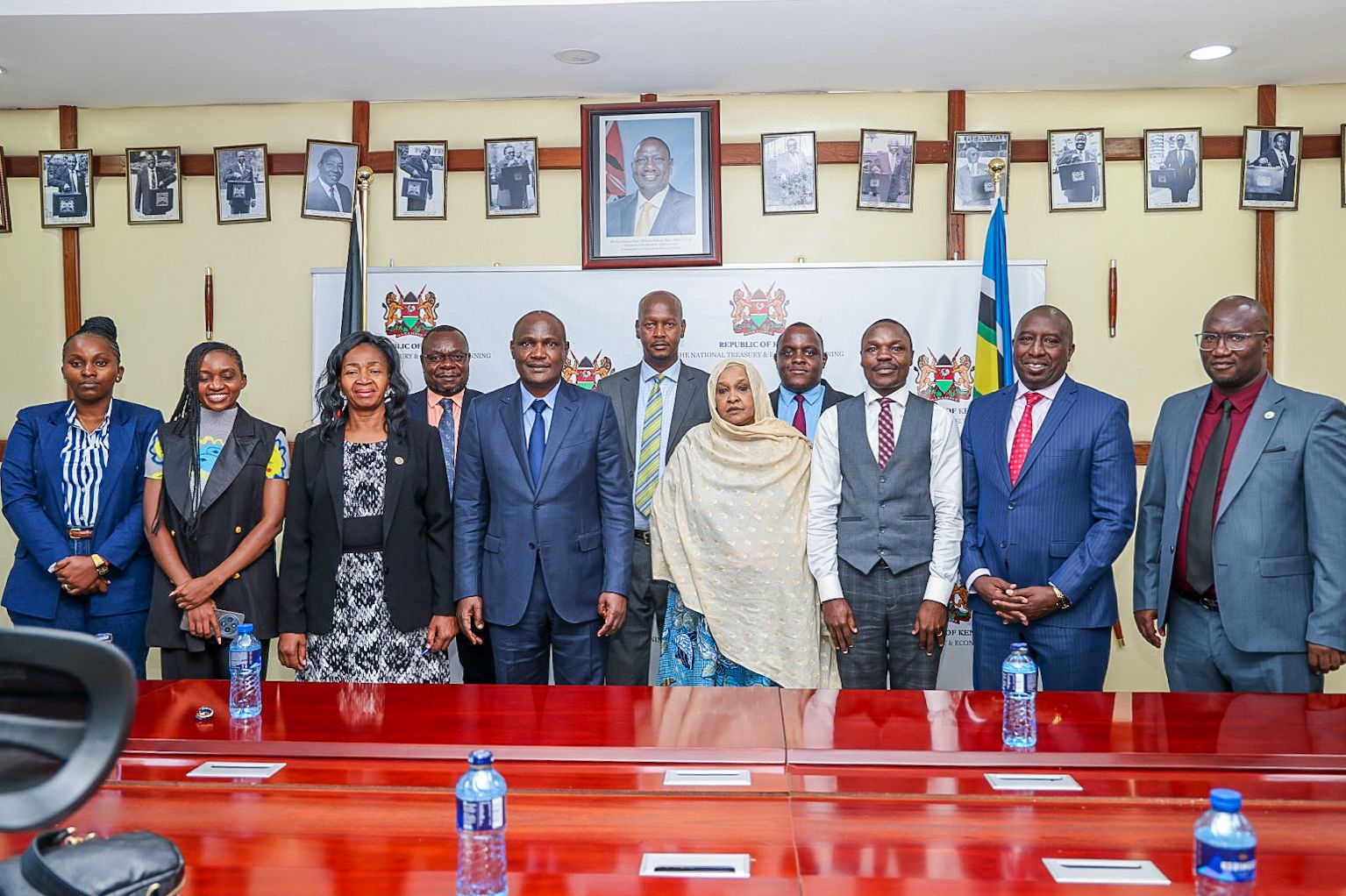
Meanwhile, Agnes Zani, who chairs the 10-point agenda implementation committee, has urged supporters not to panic over the looming deadline.
She reassured the public that the committee has made significant progress in its consultations.
Zani said the team now has a clearer understanding of the issues that Kenyans want addressed and asked the public to maintain confidence in the process.
The 10-point agenda was signed in March 2025 by President Ruto and Raila Odinga as a framework for cooperation and national dialogue between the government and the opposition.
In August the same year, a committee chaired by Agnes Zani was appointed with a six-month mandate to oversee the implementation of the agreement.
Among the key issues listed in the agenda are the protection of devolution, safeguarding the lives and livelihoods of Kenyans, and addressing concerns over abductions and killings of young people.