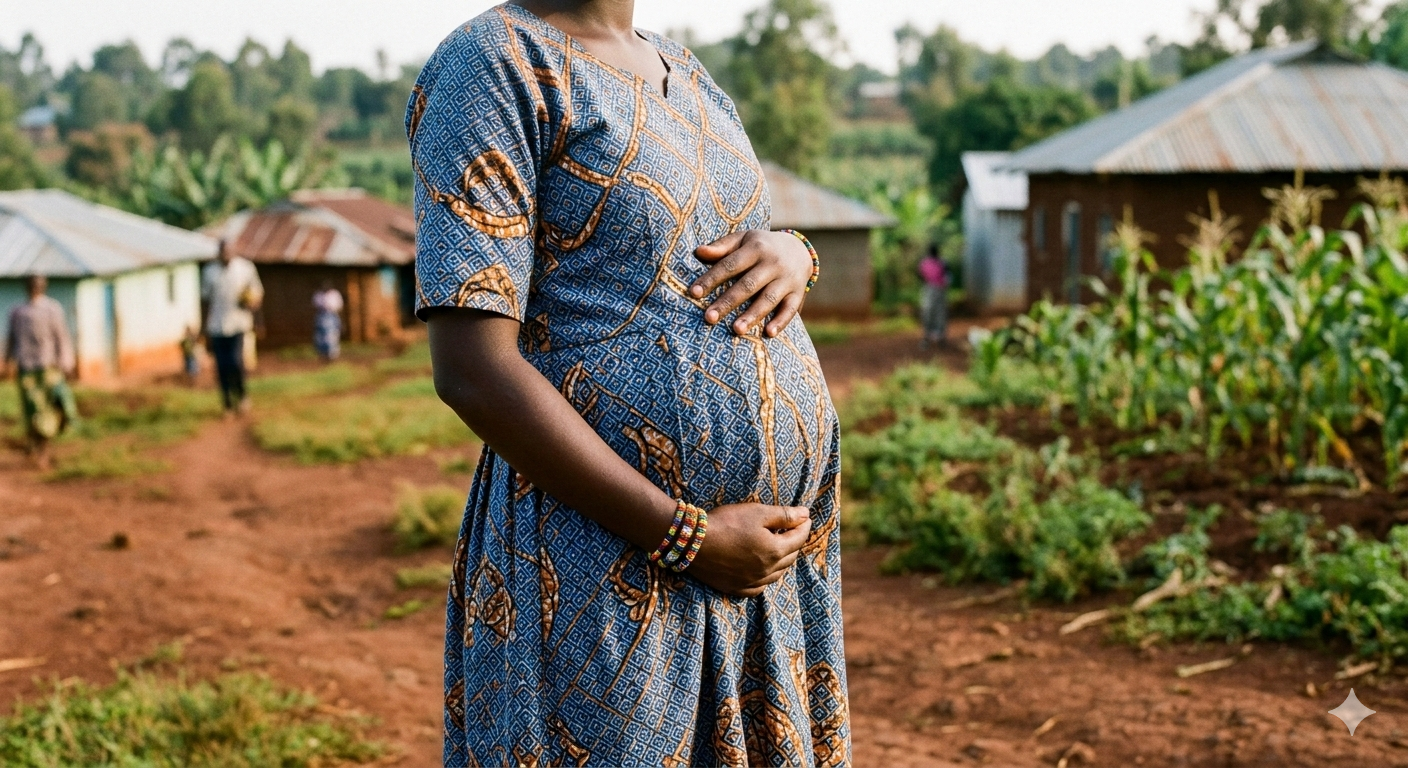
March invites us to celebrate women. It calls us to reflect on progress made, to name injustices that persist, and to recommit ourselves to a future anchored in dignity and equality. In Kenya, Women’s Month often comes with colorful events, inspiring hashtags, and powerful speeches about empowerment. Yet beneath the celebration lies a quieter, more uncomfortable truth. Many Kenyan women and girls are still negotiating their bodily autonomy in fear, confusion, and silence.
This month, as we mark International Women’s Day, we must confront a pressing thematic concern that sits at the heart of sexual and reproductive health and rights in Kenya: the growing confusion, stigma, and systemic barriers surrounding access to safe abortion, despite constitutional guarantees.
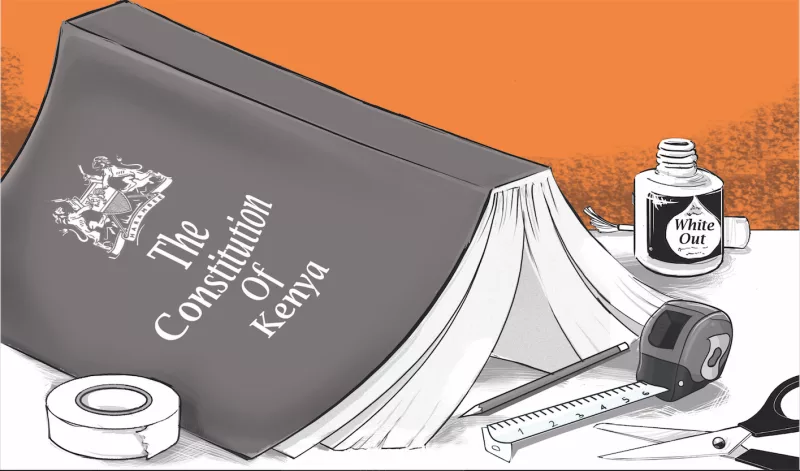
The Constitution of Kenya 2010 is not ambiguous. Article 26(4) permits abortion when, in the opinion of a trained health professional, there is need for emergency treatment, or the life or health of the mother is in danger, or if permitted by any other written law. The term health includes physical, mental, and social wellbeing, as defined by the World Health Organization. This is not a loophole. It is a deliberate recognition that women’s lives and wellbeing matter.
Yet, sixteen years after promulgation, the lived reality for many Kenyan women tells a different story.
Take Akinyi, a nineteen- year-old student in Kisumu. She discovered she was pregnant during her second semester. The father, a fellow student, denied responsibility. Terrified of disappointing her family and dropping out of school, she sought information online. What she found were conflicting messages. Some sources told her abortion was illegal. Others warned her that providers would be arrested. In her fear, she turned to a backstreet provider recommended by a friend. Days later, she was admitted to a county hospital with severe complications.
Akinyi’s story is not isolated. According to national data, unsafe abortion remains a significant contributor to maternal morbidity and mortality in Kenya. Thousands of women are treated annually for complications arising from unsafe procedures. These are not statistics in a vacuum. They are daughters, students, mothers, workers. They are women whose dreams are interrupted by a system that fails to provide clear information, affordable services, and protection from stigma.
In recent months, we have witnessed renewed public debates about reproductive rights in Kenya. Court rulings have reaffirmed that the Ministry of Health cannot withdraw standards and guidelines on safe abortion care arbitrarily. Civil society organisations have continued to challenge policies that undermine access to comprehensive reproductive health services. At the same time, anti rights narratives, often amplified through misinformation and moral panic, have gained traction in community spaces and on social media.
This tension has created a chilling effect. Some health facilities are hesitant to provide lawful abortion services for fear of political backlash. Some healthcare providers are unsure of the scope of their professional obligations. Women and girls are left navigating a maze of silence and shame.
Women’s Month should compel us to ask an honest question. What does empowerment mean if a woman cannot make decisions about her own body without risking her life or liberty?
Bodily autonomy is not a foreign concept. It is rooted in our own constitutional values of dignity, equality, and freedom from discrimination. It is reinforced by Kenya’s commitments under regional and international human rights instruments, including the Maputo Protocol, which calls on states to protect the reproductive rights of women by authorising medical abortion in specific circumstances.
The resistance to safe abortion is often framed as a defense of culture or morality. But culture is not static. Kenyan communities have always adapted to protect life and wellbeing. Moreover, morality cannot be selective. If we truly value life, we must value the life of the woman who faces a life-threatening pregnancy. We must value the mental health of a survivor of sexual violence. We must value the future of a young girl who deserves to complete her education.
This is where the theme of Know Your Rights, Own Your Choices becomes urgent. Rights that are unknown or misunderstood are easily denied. Choices that are constrained by stigma, poverty, and misinformation are not genuine choices.
First, we must invest in accurate, age appropriate, and comprehensive sexuality education. Silence has never protected young people. Information does. When adolescents understand their bodies, contraception, consent, and the law, they are better equipped to prevent unintended pregnancies and seek timely care.
Second, the Ministry of Health must ensure standards and guidelines on abortion and post abortion care are widely disseminated and implemented. Healthcare providers need continuous training and legal clarity. Counties must allocate resources to ensure that services are accessible, especially in rural and marginalised areas.
Third, law enforcement agencies must be sensitised on the legal framework. Women seeking post abortion care should never be interrogated as suspects. Healthcare providers acting within the law should not be harassed. The fear of arrest drives women underground. It does not end abortion. It only makes it unsafe.
Fourth, we need to centre lived experiences in our advocacy. Policy debates can feel abstract, but stories move hearts and shift norms. When we listen to women who have faced complicated pregnancies, who have survived rape, or who have nearly died from unsafe procedures, we are reminded that this issue is not about ideology. It is about survival and dignity.
As a Health Rights Advocate and Communications Consultant at The Legal Caravan, I have seen how legal empowerment transforms communities. When women understand what the constitution says, when they know that health includes mental wellbeing, when they realize they are not criminals for seeking care within the law, something changes. Fear begins to loosen its grip.
This Women’s Month, let us move beyond performative celebration. Let us demand coherence between our constitutional promises and our health systems. Let us reject misinformation that weaponizes faith and culture against women’s bodies. Let us hold our leaders accountable for policies that safeguard, rather than sabotage, reproductive health services.
International Women’s Day is often accompanied by the phrase Accelerate Action. In Kenya, accelerating action must include reducing preventable maternal deaths linked to unsafe abortion. It must include funding reproductive health services. It must include protecting civic space so that advocates, healthcare providers, and young people can speak openly without intimidation.
A society that trusts women to vote, to work, to lead companies, and to shape public discourse should also trust them to make informed decisions about their pregnancies. Autonomy is indivisible. You cannot champion women in boardrooms while policing their wombs.
The spirit of March calls us to courage. Courage to speak truth in spaces that prefer silence. Courage to confront uncomfortable realities. Courage to stand with women whose choices are judged but whose struggles are rarely understood.
Know your rights. Own your choices. And as a nation, let us ensure that those rights are not just words on paper, but lived realities in clinics, classrooms, courtrooms, and homes across Kenya.
Only then will Women’s Month be more than a celebration. It will be a commitment.
Kelvin is a health Rights Advocate and Communications Consultant at The Legal Caravan.