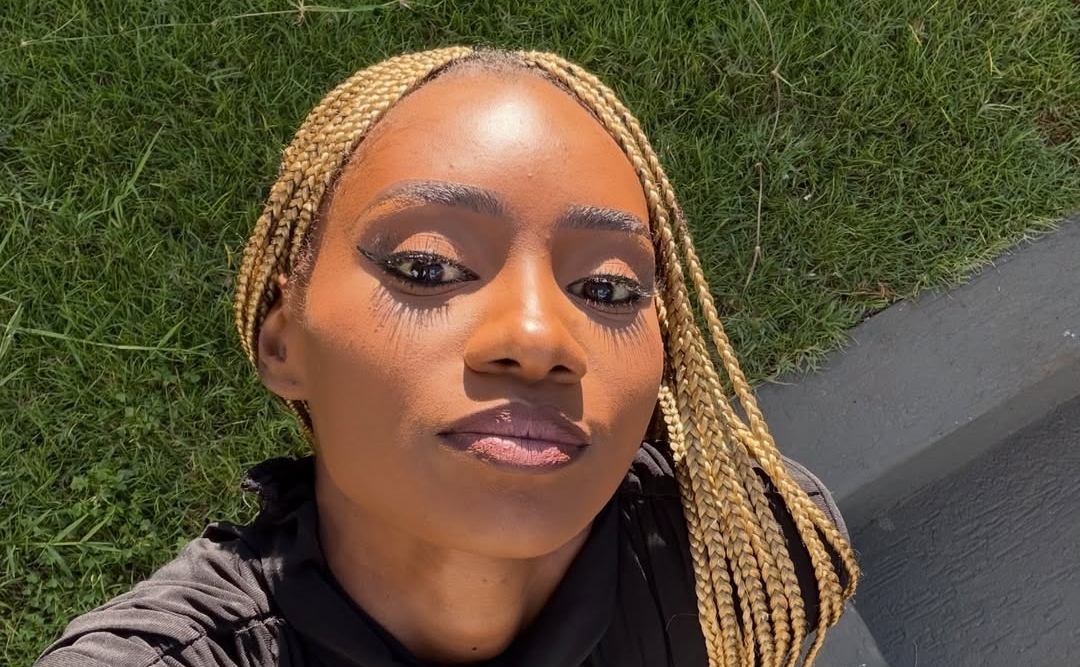
In a video shared online, Nelly said one of the “number one mistakes” businesses make when targeting affluent customers is using overly secular music. She specifically mentioned Gengetone, a Kenyan music genre blending hip hop, dance, and electronic beats.
“If you’re targeting high-end clients, the number one mistake is using overly secular music. An example in the Kenyan context is Gengetone music,” Nelly said.
Gengetone, which originated in Nairobi, combines elements from hip hop, rhumba, reggae, and R&B. It is popular among younger audiences but often features explicit lyrics and high‑energy rhythms that may not align with the calm, sophisticated ambience associated with luxury brands.
Read Also

Enjoying this article?
Subscribe for unlimited access to premium sports coverage.
View Plans
Music Influences Brand Perception
Research shows that music can shape how consumers perceive a business. Slow, calm, or instrumental music is frequently used by luxury brands because it evokes emotions linked to sophistication, exclusivity, and refinement.
Luxury retailers and fine dining establishments often use curated playlists or bespoke soundtracks to reinforce their identity. In retail, slower‑tempo music can encourage customers to linger longer, increasing engagement with products and brand messaging. In upscale restaurants and lounges, ambient music helps create a relaxed and elegant environment that aligns with customer expectations.
Studies suggest that instrumental or refined music genres are more compatible with high‑end markets because they reflect values of timelessness and exclusivity. Instrumental tracks, in particular, avoid distracting vocals and support the overall ambience rather than drawing attention away from it.
Sensory Elements as Strategic Tools
Marketing professionals emphasize that all sensory elements, including sound, should align with a business’s brand strategy. Music that conflicts with brand identity can send mixed messages and reduce appeal to target clients.
ALSO READ: Nasra Yusuf Launches Sh100k Business Challenge for Aspiring Entrepreneurs

Nelly’s guidance underlines the importance of music as a strategic tool in luxury branding and customer experience design. By selecting soundtracks that complement the sophistication of their offerings, businesses targeting affluent consumers can strengthen their image, enhance client engagement, and ensure their spaces reflect the exclusivity expected by high‑end clients.




Comments 0
Sign in to join the conversation
Sign In Create AccountNo comments yet. Be the first to share your thoughts!