
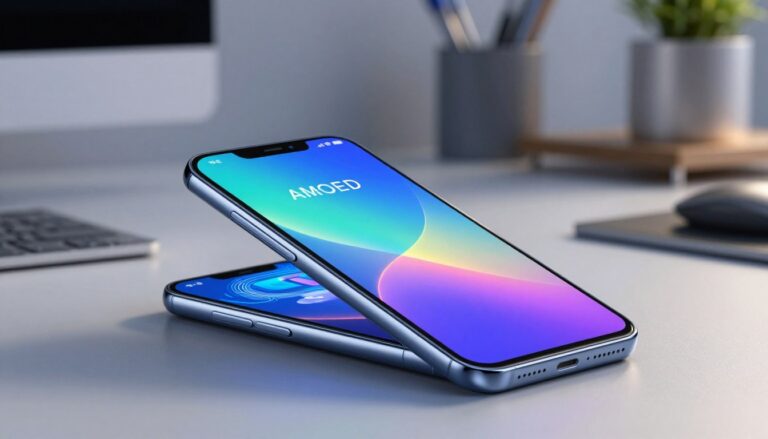
Here’s a detailed breakdown to help you decide which flagship deserves your attention.
Design & Display
Both flagships showcase large, premium displays measuring around 6.9 inches with 120 Hz refresh rates, but Samsung edges ahead in resolution and pixel density.
The Galaxy S26 Ultra uses a Dynamic AMOLED 2X panel with QHD+ resolution (3120 × 1440) and a slightly taller screen, offering crisper visuals — especially noticeable in high-resolution content and edge-to-edge viewing.
Meanwhile, the iPhone 17 Pro Max sports Apple’s Super Retina XDR OLED with exceptional brightness and True Tone colour accuracy.
Physical design differences include Samsung’s thinner and lighter profile thanks to aluminum construction, whereas the iPhone tends to be slightly heavier due to its Ceramic Shield build. Both devices maintain IP68 water and dust resistance.
Performance & Software
Under the hood, Apple pairs the iPhone 17 Pro Max with its A19 Pro chip, a 3 nm powerhouse tuned for efficiency and smooth performance across iOS 26.
Its tight hardware-software integration delivers consistently swift performance, especially for iOS apps, gaming, and video tasks.
Also Read: Photos: How the Samsung Galaxy S26 unveiling went down in Nairobi & celebrities present
Samsung counters with the Snapdragon 8 Elite Gen 5 in key markets (and Exynos variants in others), also built on a 3 nm process, offering robust performance and multitasking prowess — particularly in AI-driven features and Android flexibility.
Both devices commonly pair with 12 GB RAM, though the S26 Ultra can go higher depending on configuration.
Software choice remains a primary differentiator: iOS 26 on the iPhone emphasizes intuitive gestures, privacy, and seamless integration with Apple devices.
Samsung’s One UI 8.5 on Android 16 emphasizes customization and AI features, such as enhanced friend-friendly tools and integrations with Google and Samsung ecosystems.
Camera & Imaging Capabilities
This is where the flagships take markedly different paths:
iPhone 17 Pro Max features a triple 48 MP camera array (wide, ultra-wide and telephoto), with strong colour processing, smooth cinematic video and Apple’s renowned computational photography tools — especially for portraits and video stabilization.
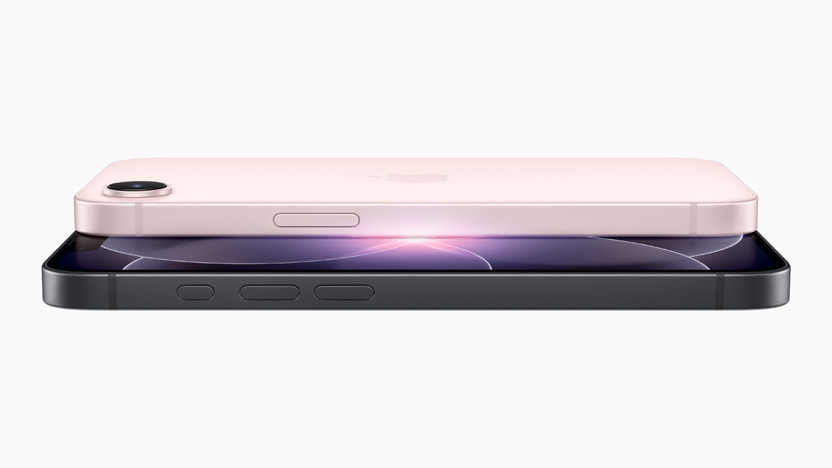
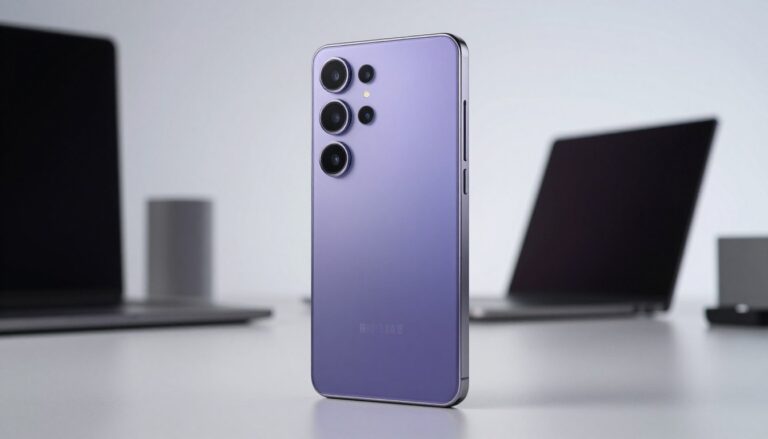
You prioritise polished video recording and stability.
You want strong battery life matched with a refined user experience.
Choose the Galaxy S26 Ultra if:
You want the highest camera resolution and versatile zoom.
You prefer Android flexibility and customization.
You enjoy cutting-edge AI features and powerful multitasking.
Both devices represent the best of 2026 flagship technology, and neither choice is objectively “wrong.”
Your ideal pick largely hinges on ecosystem preference, photography priorities, and how you use your smartphone daily.





Comments 0
Sign in to join the conversation
Sign In Create AccountNo comments yet. Be the first to share your thoughts!