
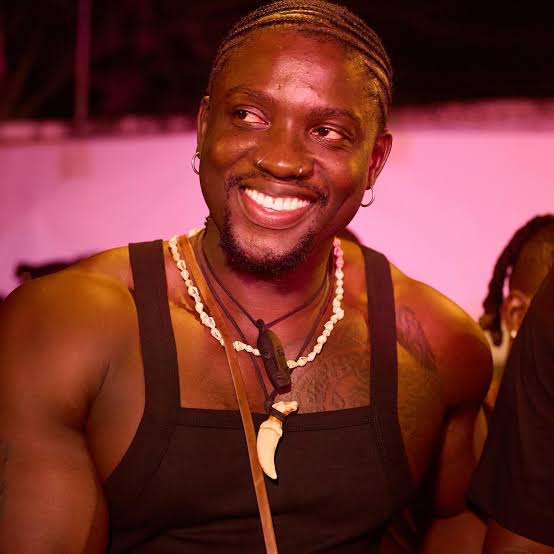
At the centre of the meltdown was a now‑viral Instagram post shared by a user linked to or referencing the feud, in which the influencer — reportedly VDM — appeared to mock or escalate the situation by glorifying the dangerous stunt:
“You see this Hypo now? I’m drinking it since you guys stopped using my sound. Let’s see who’s brave!” — Instagram post referenced by social feeds.
Also Read: What People Get Wrong About Kenyan Content Creators
Though the exact phrasing of the post is varied in reposts, the sentiment pushed the narrative that drinking Hypo or similar harmful substances had become part of an online “challenge” tied to the feud.
Images and clips showing people pretending to drink bleach — some in jest, others seriously — amplified concerns about how far content creators will go for views and relevance online.
Outrage, Misinformation and Dangerous Imitations
Once the stunt gained traction, public reaction was swift and intense.
Many users condemned the actions as reckless and irresponsible — particularly given the potential influence on impressionable audiences.
Household bleach products like Hypo are clearly formulated for cleaning and disinfecting purposes, and not for ingestion under any circumstances.
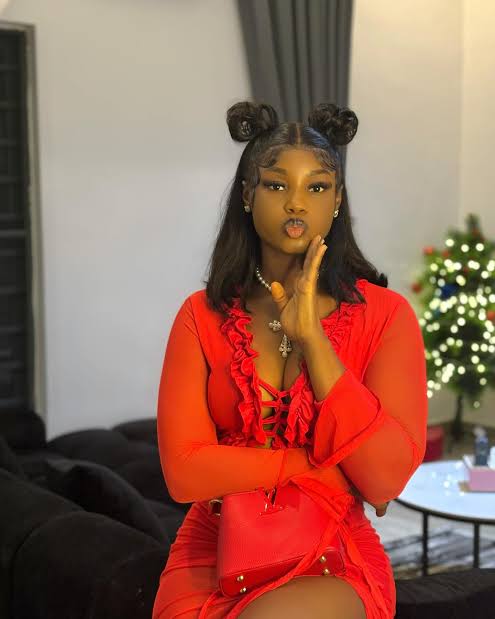
The manufacturers of Hypo issued a public safety warning condemning the portrayal of their product as a beverage or consumable item, stressing that such depictions are “fabricated” and dangerous:
“Those images are fabricated, that framing is false, and anyone encouraging others to consume Hypo — even as a joke, even for views — is putting lives at risk.” — Hypo manufacturer statement.
Authorities and commentators called out the trend as not only harmful but potentially life‑threatening if taken literally by followers.
Relatives, parents, and social activists warned that such content blurs lines between satire, stunts and real endangerment — and that influencers should consider their reach and the real‑world implications of what they share online.
Rumours, Retractions and Confusion
The situation took another dramatic twist when sensational rumours circulated online claiming that King Mitchy had died after consuming harmful substances during a TikTok live stream.
These rumours quickly spread across social networks, forcing her management team and independent sources to step in and clarify the situation.
King Mitchy’s management later retracted claims of her death, confirming she was alive and under care after the incident.
Meanwhile, Primecare Hospital in Abuja publicly denied that she had ever been admitted to or died at their facility, debunking the worst rumours circulating online.
Calls for Accountability and Safer Content
Amid the chaos, voices from within the entertainment world and beyond urged authorities to intervene and address what has become a worrying trend of dangerous social media antics.
Nigerian actor Kudirat Ogunnro called for police action against those promoting toxic behaviour online, saying that stunts involving household poisons are neither “clout” nor comedy — but a public safety concern.
Public health advocates also warned that live or recorded scenes of self‑harm or risky behaviour can trigger copycat actions, especially among younger audiences who view influencers as role models.
They emphasised that content creators have a responsibility to avoid glamorising harmful acts, and that platform operators should actively moderate such materials.
Nigeria The Broader Debate: Clout vs Responsibility
What started as a feud between two online personalities has spiralled into a broader cultural conversation about the ethics of viral content, the dangers of misinformation, and the responsibilities of high‑profile figures online.
Many social media users now question whether the pursuit of likes and engagement has crossed a line — and what steps can be taken to prevent dangerous trends from spreading unchecked.

Comments 0
Sign in to join the conversation
Sign In Create AccountNo comments yet. Be the first to share your thoughts!