Constitutional Framework
What the law says:
- Protected expression: People may express opinions, share information, and criticise government or public officials.
- Limits: Freedom of expression does not protect:
- Propaganda for war;
- Incitement to violence;
- Hate speech;
- Advocacy of hatred that leads to harm or discrimination.
- Respect for others: In exercising this right, individuals must respect the rights and reputations of others.
Read Also
The Constitution also states that a right can only be limited if the limitation is provided by law, reasonable, and justifiable in a democratic society.
Enjoying this article?
Subscribe for unlimited access to premium sports coverage.
View Plans
Do’s and Don’ts in Practice
What is generally allowed:
- Peaceful criticism of government policies or officials.
- Reporting facts or expressing opinions about public issues.
- Artistic or political expression that does not harm others.
What can lead to legal trouble:
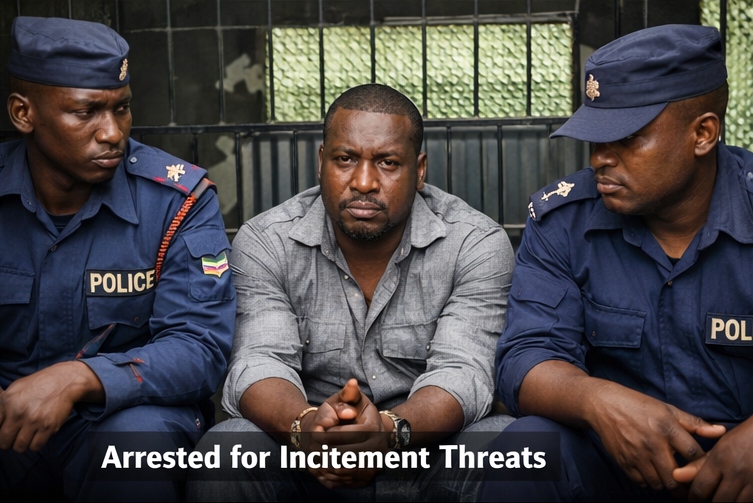
- Threats or incitement: Direct threats against individuals, including public figures or heads of state, can be prosecuted if they amount to incitement to violence. Historical news reports have shown cases where individuals were charged after threatening to shoot a president, because threatening violence is not protected speech.
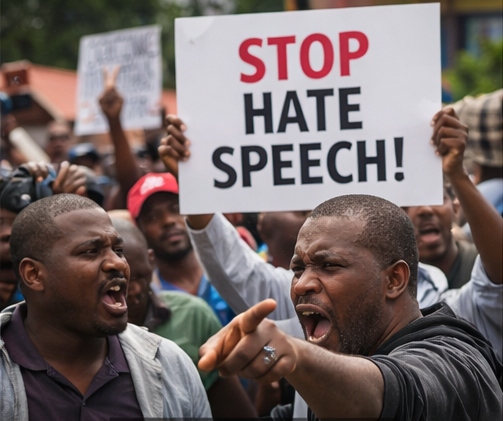
- Hate speech: Statements that incite hostility based on ethnicity, religion, or other grounds may be criminally sanctioned.
- False allegations causing harm: Publicly accusing someone of wrongdoing without evidence can expose a person to defamation or other legal action, even where civil remedies now exist in place of criminal defamation following court decisions.
- Disorderly conduct used as a pretext: Until recently, some laws allowed arrest for “creating a disturbance,” but courts have struck down overly vague provisions as unconstitutional when they are used to suppress lawful speech.
Illustrative Incidents
These examples show how freedom of expression issues play out in real life:
1. High Court curtails vague offence:In February 2026, Kenya’s High Court ruled that part of the Penal Code making it an offence to “create a disturbance likely to cause a breach of peace” was unconstitutional because it was vague and restricted lawful expression without justification.
ALSO READ: DCI Arrest Man Behind Viral Video Allegedly Threatening President Ruto
2. Criminal defamation struck down:In a 2017 case involving social media criticism, Kenya’s courts declared that criminal defamation provisions were unconstitutional because jail terms were a disproportionate restriction on free speech, especially where civil remedies would suffice.
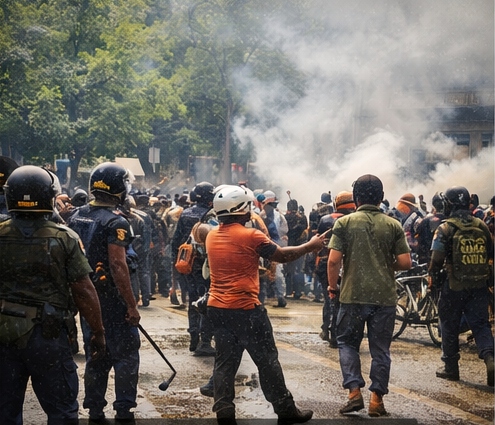
3. Protest and expression:In past public demonstrations — such as organized protests that escalated into confrontations with police — participants were sometimes arrested under broad charges that courts later found to undermine constitutional freedoms if not tied to actual unlawful conduct.
4. Online threats have legal consequences:Past media coverage documented an individual being taken to court for threatening to shoot the President, illustrating that threatening violence can cross from protected opinion into a prosecutable offence.
Key Takeaways
- Freedom of expression is a constitutional right in Kenya — but it comes with responsibilities and legal boundaries set to protect public order and the rights of others.
- Criticism of leaders or government policies is allowed, but threats or incitement to harm are not protected and can result in police or DCI involvement.
- Ambiguities in the law have been challenged in court, resulting in rulings that clarify what is lawful and what is not.
- Peaceful, lawful expression that respects others and does not promote violence remains a cornerstone of democratic participation.





Comments 0
Sign in to join the conversation
Sign In Create AccountNo comments yet. Be the first to share your thoughts!