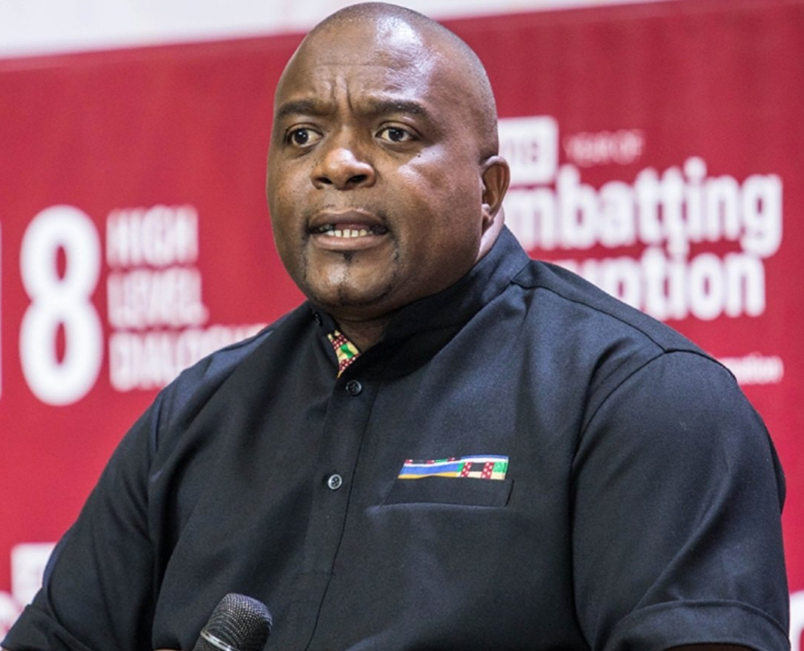
 Activist and lawyer Brian Kagoro. /HANDOUT
Kenya’s deportation of Zimbabwean lawyer Brian Kagoro has sparked tension between security authorities and human rights advocates.
Kagoro, 51, was detained upon arrival at the Jomo Kenyatta International Airport on Sunday night and declared persona non grata (unwelcome person) before being placed on the next available outbound flight.
He had flown from South Africa, reportedly to attend a family engagement and speak at a forum on critical minerals and artificial intelligence.
The International Commission of Jurists (ICJ) Kenya condemned the deportation, calling it “an alarming act” and warning it reflects “a broader crackdown on civic space”.
The organisation urged the government to provide a transparent explanation, allow unrestricted entry for human rights defenders and reaffirm its commitment to constitutional freedoms.
Support also came from Zimbabwe.
Prominent lawyer Arnold Tsunga described the deportation as a “misunderstanding” that should be resolved swiftly for the benefit of Africa.
“Kenya is an extremely important country in Africa, and Brian Kagoro, as a leader who deeply cares about Africa, should have this issue resolved quickly for mutual benefit,” Tsunga said He warned that intra-African restrictions on civic leaders weaken regional cooperation and democratic development.
According to ICJ Kenya, security officers detained Kagoro without offering any explanation for the denial of entry. He was not given a written notification outlining the reasons for his detention or expulsion.
Media reports suggesting that Kagoro’s presence was blocked due to alleged links to civic education or citizen empowerment programmes drew particular concern.
ICJ Kenya argued that equating legitimate civic engagement with unlawful dissent is a dangerous departure from constitutional principles.
“Empowering citizens to know, understand, and claim their constitutional rights is the very essence of democracy, not a threat to state security,” the organisation said.
ICJ Kenya warned the incident reflects a broader pattern of repression targeting civil society actors, human rights defenders and independent media.
The organisation urged the Kenyan government to provide a full and transparent explanation, allow unrestricted access for documented human rights defenders and end harassment of civic actors. It also wants the government to ensure security and immigration powers are exercised in strict adherence to the constitution and international human rights standards.
Kagoro’s deportation abruptly ended over two decades of engagement with Kenya’s civil society ecosystem.
A co-founder of the Crisis in Zimbabwe Coalition, he established a base in Nairobi in the mid-2000s, as the city became a regional hub for governance programming and donor-funded initiatives.
Supporters describe him as an intellectual anchor, mentoring younger activists and connecting regional networks.
Critics, however, see him as emblematic of foreign-directed influence in domestic politics.
Kenya’s security establishment painted a different picture. Officials claim Kagoro’s visit masked a coordinated, foreign-funded effort to reignite street protests in Kenya.
Interior ministry investigations spanning six months reportedly tracked his three visits to Nairobi in 2025.
Authorities allege that during meetings in October, December and January, Kagoro pledged to raise $1.2 million (about Sh150 million) to support activist initiatives aimed at capitalising on economic grievances and reviving the Gen Z protests that unsettled President William Ruto’s administration in 2024.
“They have a tendency to create unrest and then leave; they will not be here to live with the consequences of their actions, and we as a country should never allow that,” a senior security official involved in the deportation said, speaking on condition of anonymity.
Another Interior ministry official described the meetings as part of “a deliberate strategy to manufacture civil unrest”, saying evidence had been gathered over six months.
Kagoro denied orchestrating protests, maintaining that his trip was for personal reasons and a speaking engagement.
While he acknowledged contact with Kenyan activists, he rejected claims of coordination.
Investigators have linked Kagoro’s Africa-wide activities to the Open Society Foundations, founded by billionaire George Soros — an organisation previously scrutinised in Kenya following the Gen Z protests.
Security sources also allege his involvement in encrypted WhatsApp groups associated with activist figures and say he is under investigation over alleged links to election-related unrest in Tanzania, though no detailed public evidence has been released.
Unlike frontline protest leaders, Kagoro operated largely behind the scenes — convening strategy sessions, mentoring young activists, and linking regional networks.
Supporters describe him as a committed human rights defender; authorities regard him as a symbol of foreign-directed political influence.
Security officials insist the deportation reflects a broader policy shift barring foreign activists from engaging in what they interpret as political mobilisation inside Kenya.