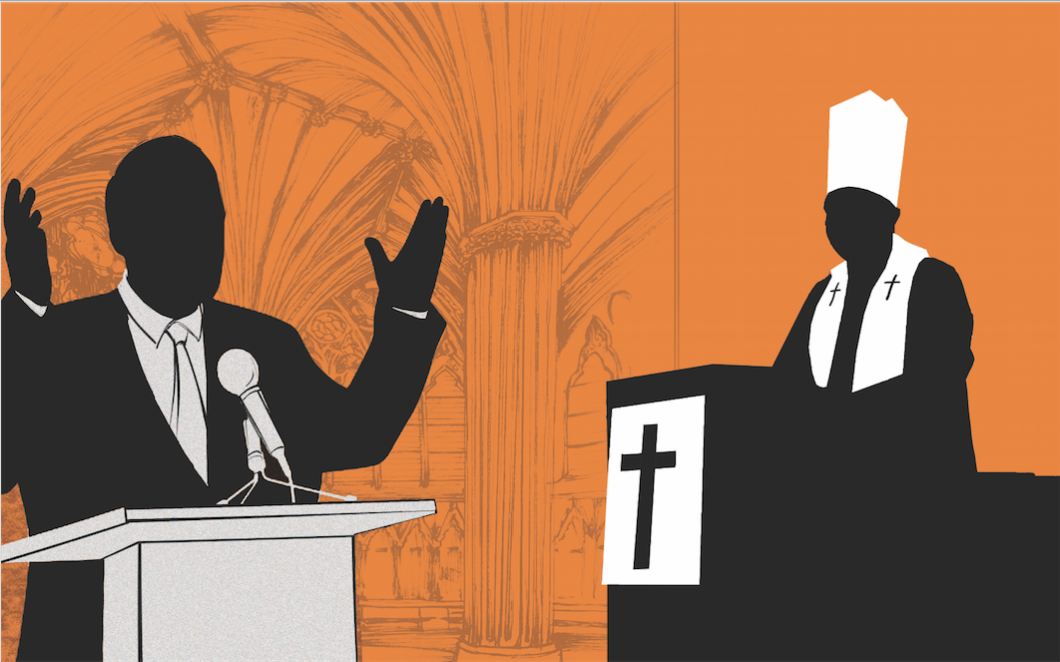
In a recent video doing rounds on social media, Pastor Ezekiel Odero of the New Life Prayer Centre and Church, is seen and heard disparaging higher education and casting aspersions on university lecturers. These unflattering remarks have stirred understandable disquiet among dons. His derision of unionism – even taking jabs at the historic labour hymn Solidarity Forever – go beyond critique into the troubling territory of anti-intellectualism.
In a country that desperately needs thoughtful reflection and informed leadership, such rhetoric demandsa firm and thoughtful response. This is not about bruised egos. It is about intellectual integrity, social responsibility and the dangerous consequences of anti-intellectual rhetoric in a developing country.
Let us begin clearly: artisans, craftsmen and informal sector workers deserve dignity and respect. Kenya’s jua kali sector is innovative and resilient. No serious academic disputes that. But to suggest that sack makers and artisans are inherently socioeconomically better off than university graduates is not analysis – it is anecdote elevated to ideology.
Kenya’s development has depended — and continues to depend — on: Medical doctors trained in universities; engineers who design infrastructure; teachers who educate the next generation; policy analysts who guide national planning; researchers who respond to pandemics and climate change. Universities produce the professionals who regulate banking systems, oversee aviation safety, manage ports, draft legislation and govern counties.
If higher education were irrelevant, we would not see churches seeking lawyers, accountants, media experts and architects – all university trained – to run their own institutions. Artisans and academics are not adversaries. They are complementary pillars of a functioning society.
History shows us that societies that ridicule intellectuals do not prosper. They stagnate. When a religious leader dismisses scholarship, research and critical inquiry, the message transmitted to young people is clear: education is overrated; expertise is suspect; intellectual labour is trivial. In a country struggling with unemployment, misinformation, governance deficits, climate vulnerability and technological disruption, we cannot afford anti-intellectual populism.
University lecturers are not enemies of the people. They are underpaid, often overworked custodians of knowledge who: Teach large classes with limited resources, publish peer-reviewed research, supervise postgraduate scholars, serve on national policy committees and shape the intellectual life of the nation. Mocking that labour from a pulpit may draw applause. It does not build a nation.
Pastor Ezekiel’s attack on unionism and the song Solidarity Forever is particularly revealing. Trade unionism is not a romantic slogan. It is the reason workers have fair wages, safer working conditions, reasonable working hours and grievance redress mechanisms. University lecturers in Kenya organise primarily through the University Academic Staff Union. Without union advocacy salaries would stagnate further, academic freedom would erode and public universities would deteriorate even faster under political interference.
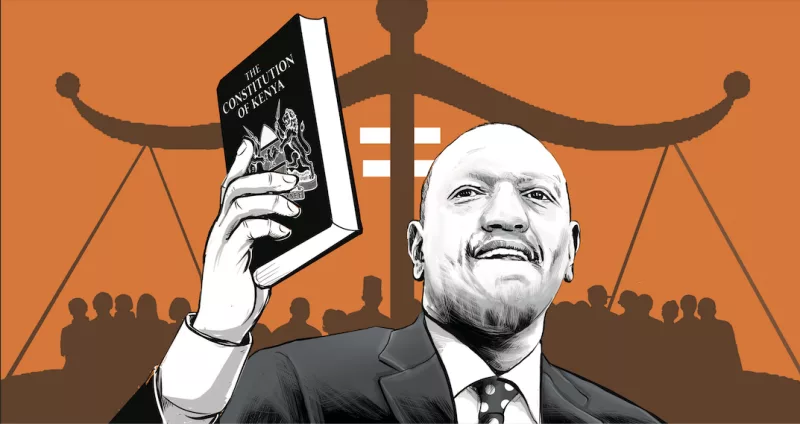
Unionism is not rebellion. It is constitutional. Kenya’s own constitution protects freedom of association. Solidarity Forever is not subversion — it is a symbolic reminder that collective bargaining built modern labour rights across the world. One may disagree with strikes or tactics. But to deride the principle of organised labour is to misunderstand how workers everywhere — including congregants — secure dignity.
There is a deeper issue here. Some strands of prosperity preaching often suggest that wealth is proof of divine favour and poverty evidence of personal failure. That logic flattens complex structural realities. Kenya’s graduate unemployment crisis is not the fault of lecturers. It is tied to public funding constraints, economic structure and limited industrialisation, governance choices and policy inconsistency. To single out higher education as the problem is simplistic.
If Pastor Ezekiel wished to critique inefficiencies in universities — fair enough. Our institutions have challenges: Bureaucracy, funding gaps and curriculum misalignment in some sectors. Academics themselves debate these issues robustly. But responsible leadership distinguishes between constructive critique and blanket contempt. Public figures carry influence. Words from a pulpit reverberate far beyond Sunday services or revival rallies. They shape aspirations. They influence policy perceptions. They affect how society values knowledge.
Faith and scholarship are not enemies. Historically, universities were birthed in religious contexts. Theologians, philosophers and scientists have often been people of faith. A pastor’s role is to uplift, guide and build — not to pit intellectual labour against manual labour.
Kenyan youth listening to such remarks may internalise the message that pursuing higher education is futile. That would be tragic in a nation where education remains one of the few vehicles for mobility.
Kenya does not need to choose between the hammer and the book, the pulpit and the podium, the artisan and the academic. It needs a synthesis. It needs welders and researchers, entrepreneurs and policy analysts, pastors and professors. The hand builds, the mind designs and the spirit guides. When anyone is demeaned, the whole suffers.
If we care about the flourishing of our nation, let us debate vigorously but responsibly. Let us challenge institutions where they falter but defend them where they are unfairly maligned. Let us honour the carpenter without scorning the lecturer. And above all, let us remember that faith and knowledge - far from being enemies — have long been companions in humanity’s search for truth.
Sociologist and programmes associate | [email protected]