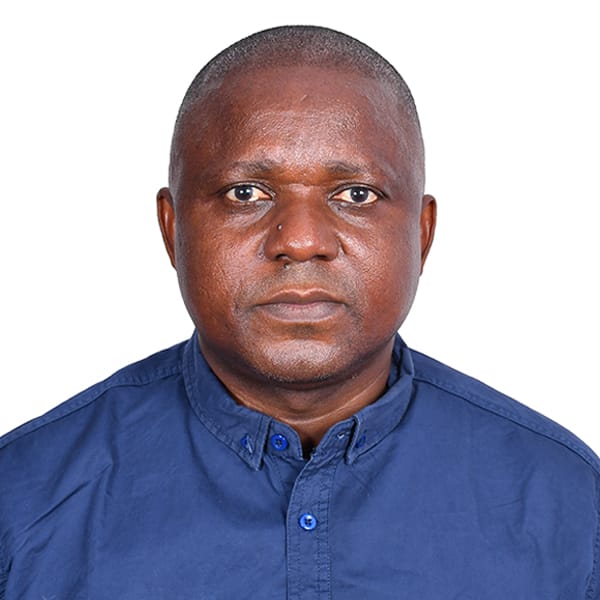
 Victor Bwire is the Director, Media Training and Development at the Media Council of Kenya
Zambia is hosting RightsCon 2026, a leading global forum at the intersection of human rights, technology, and cybersecurity to address emerging issues facing digital rights today.
As expected, issues around digital security, encryption, AI and platform governance including their impact on fundamental freedoms such as privacy, freedom of expression, and access to information will dominate the discussions and as we look forward to practical recommendations to safeguard dignity rights especially in Africa.
There are growing concerns that many countries on the continent, even with access to information legal frameworks, are still benefitting their citizens with information to enable them to participate in governance and protection of human rights meaningfully.
Increasingly the issue of public participation in national conversations and decision making on public interest as a measure of citizen engagement in governance and development matters has become critical, which obviously of necessity elevates the right to information as an enabler for citizen engagement.
Right to information advocates across the continent have insisted that critical players in the clean and relevant information ecosystem is the media, especially the digital space, which expanded the range of information available to citizens.
Many including the formerly unable to access information or denied access have been empowered and can now share and receive information; which in essence has pushed the demand for information while at the same time putting pressure on information holders including governments and private entities that do work of public nature to share pro-actively credible and trustful information.
Of necessity now is the need for a professional and responsible media that uses the access to information laws and regulations to push for accurate information from the duty bearers to make available to citizens thus facilitate their participation in national conversations without falling prey to misinformation and information manipulation.
A Strong professional, responsible, independent, and public interest focused media; both online and liberty is critical in enhancing citizen involvement in governance, participation in democratic processes including elections and demanding for accountability from the government.
There are serious justifications and acknowledgement that access information has great economic value for countries, for it allows us to showcase our potential on the world map, which attracts economic dividends.
Kenya enacted the Access to Information Act in 2016, as a way of actualizing Article 35 of the Constitution. Among the beneficiaries of the Act is media especially when seeking information held by the Government on matters of public interest.
The Act is envisaged to support journalists access to information when doing investigative and in-depth stories that require facts, truth and that has impact of citizens.
However, since the enactment of the law and even with deliberate campaigns targeting journalists who are major beneficiaries of the law with sensitization has seen very few, if not none using the request for information practice to engage the government for information.
Journalists have rarely used the Commission for Administration of Justice (CAJ) to help in their push for information on major infrastructural projects, or contracts to help enrich their stories.
Basic tenets of all-inclusive societies require that people get information on ongoing processes so that they make a contribution-that’s why the government, public institutions and private entities that conduct business of public nature practice prior information disclosure to allow citizen engagement with relevant matters, otherwise a few people privy to such critical information take advantage of bursary opportunities, scholarships, tenders, grants, job opportunities, and related at the expense of others.
Being able to access information creates an important avenue for citizens to know and demand for their other rights.
Given the centrality of credible information to a professional media, advocates of professional media have pushed for a framework that facilitates the state pro-actively sharing information on public interest issues to enable citizen understanding and creating a critical mass that supports such public investment.
By the media accessing credible and timely information from public agencies, and providing a platform for debate, setting the national agenda, and framing of national public interest issues, citizens are able consume information that they can use to contribute to social change in their communities.
Several players have come up with ways to enhance information availability to journalists, which journalists can tap into and enrich their stories with facts and depth. With people accessing and using a myriad of ICT platforms, accountability and transparency through tracking information posted on open data portals by public agencies has become easy and cheap. Journalists can use these open data, without necessarily spending a lot of resources during their investigative work.