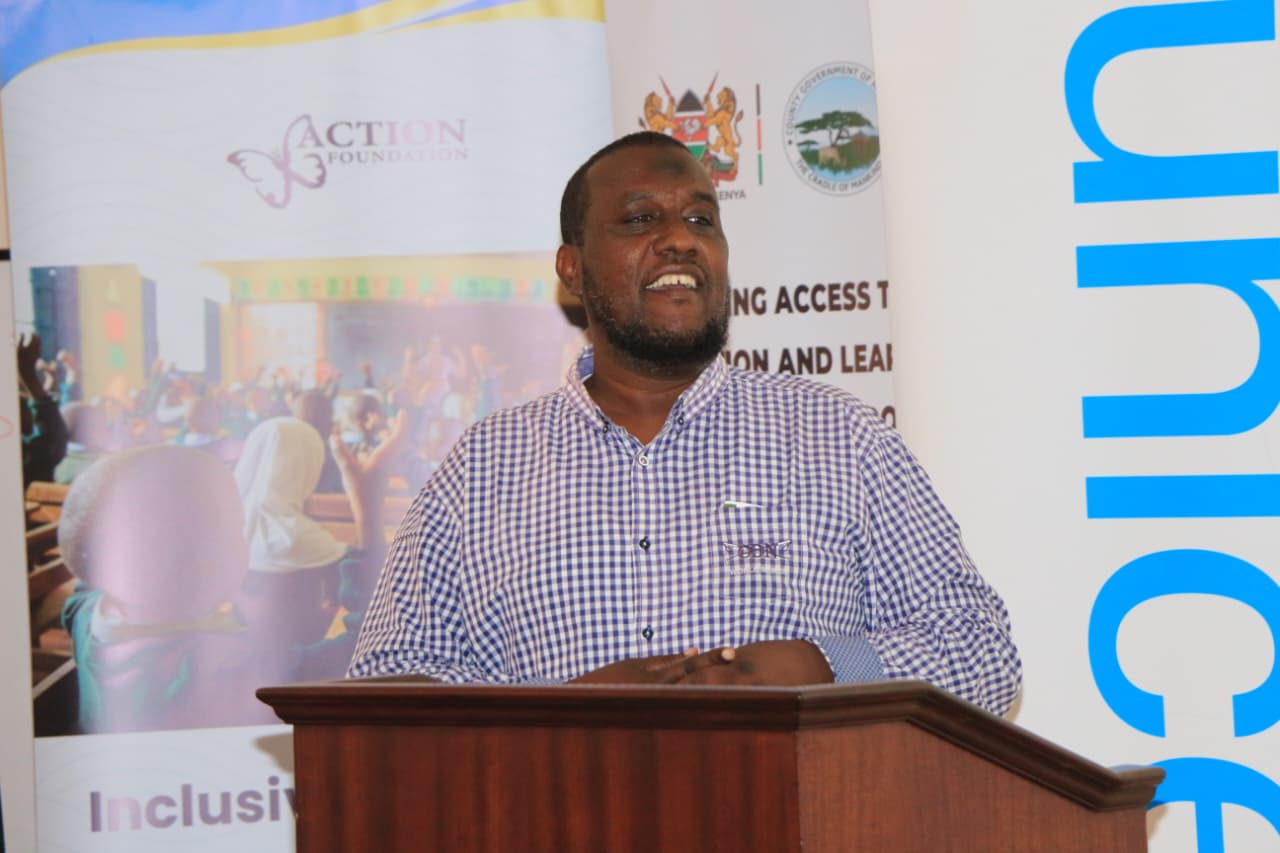
 Abdullahı Maalim, a governance and policy expert with 25+ years of experience in public administration, devolution, and institutional reform. /HANDOUT
“It is not the strongest of the species that survives, nor the most intelligent, but the one most responsive to change.” — Charles Darwin.
In many parts of Northern Kenya today, an unwritten rule seems to guide our politics: serve one term, then make way. MPs, MCAs—five years and you are done. It sounds like accountability. It feels like change. But is it helping us, or quietly holding us back?
Leadership is not something you master overnight. The first term is often a learning curve. Understanding systems, building trust, figuring out how government really works—these things take time. Just when some leaders begin to settle and deliver, they are pushed out. Projects stall. New leaders come in with new priorities. We start again. This cycle has become too familiar.
At the same time, our community meetings are now full of “Honourables”—former leaders, each with strong views, each trying to shape direction. Their experience can be useful, yes. But too many voices, often pulling in different directions, can leave communities confused and divided. Instead of clarity, we get noise.
There is also a human cost we rarely talk about. Many of those who enter politics are professionals. They leave behind careers in teaching, business, and civil service—hoping to serve. When they are removed after one term, returning is not always easy. Neither do they get enough time to build a lasting political path. They end up in between—partly in, partly out.
We are creating leaders who start strong but finish too early. People with vision, but no time to see it through.
The issue is not that leaders should stay forever. Change is important. But change should make sense. It should be based on performance, on integrity, on whether someone is actually doing the job—not just on the idea that five years is enough.
We need to take more time in choosing leaders. People of character. People who can be trusted. And once chosen, we should give them space to work, while holding them accountable. If they fail, then yes—send them home. But if they are doing well, why cut them short?
Northern Kenya needs continuity as much as it needs change. We need leaders who can start something—and finish it. Otherwise, we will keep moving, but not really going anywhere.
The writer is a governance and policy expert with 25+ years of experience in public administration, devolution, and institutional reform