 EPRA Director General Daniel Kiptoo Bargoria.
Kenya has taken a decisive step toward a more reliable, affordable and sustainable energy future with the gazettement of the Energy (Integrated National Energy Plan) Regulations, 2025 (Legal Notice 83 of 2025). The move marks a significant shift in how the country plans for energy security, affordability and sustainability, bringing together national institutions, county governments and the private sector under a unified framework.
The regulations signal a move from fragmented energy decision-making to a coordinated national approach that recognises energy as the backbone of economic growth, social development and environmental protection.
By introducing the Integrated National Energy Plan (INEP), Kenya is laying the foundation for a cohesive energy system, connecting national institutions, county governments, households and industries.
The Energy and Petroleum Regulatory Authority notes that, for many years, energy planning in Kenya was conducted in separate silos. Electricity planning often progressed independently of clean cooking initiatives, petroleum supply chains or energy efficiency programmes.
At the same time, counties developed local plans that were not always aligned with national priorities, leading to overlaps, gaps and inefficiencies. The Energy Act, 2019, acknowledged this challenge and called for a coordinated, system-wide approach.
EPRA explains that the gazettement of Legal Notice 83 in May 2025 gives this vision regulatory force, creating a single framework through which all energy planning in the country is organised.
As energy remains a cornerstone of Kenya’s development ambitions, EPRA stresses that the regulatory milestone could not have come at a more critical time.
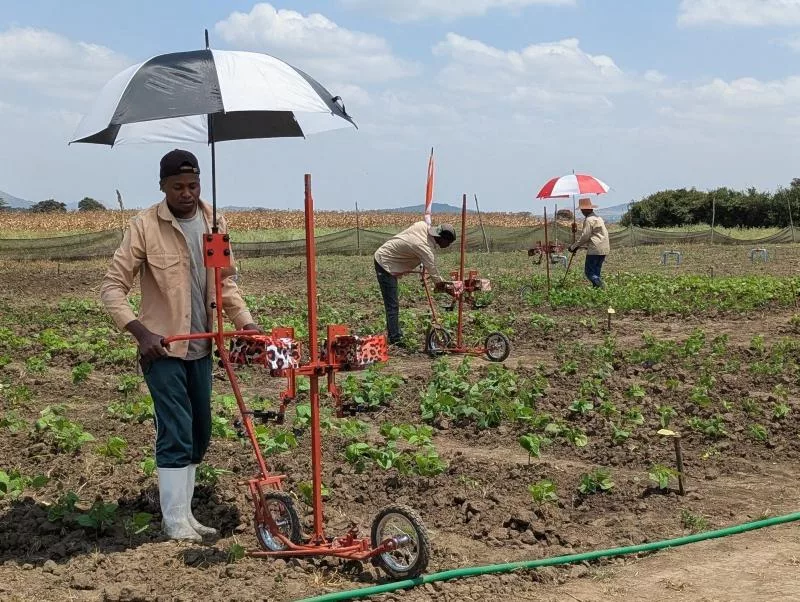
At the heart of the regulations is multi-sectoral integration and coordination. The framework recognises that energy powers transport systems, supports industrial production, enables mechanised agriculture and fuels homes and businesses.
INEP brings together planning across electricity, clean cooking, transport, industry, housing and urban development. This integrated approach ensures energy investments respond to real demand across the economy rather than addressing one sector at the expense of another.
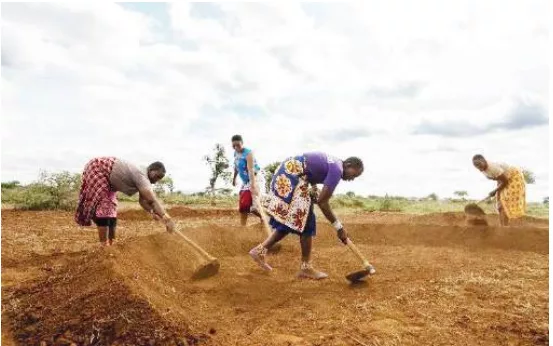
Cross-government coordination is equally important. Under INEP, counties are required to prepare County Energy Plans reflecting local needs and resource potential. These plans are consolidated into the national INEP, ensuring local priorities—such as rural electrification, clean cooking access, or locally available renewable resources—inform national decision-making.
EPRA notes that this alignment reduces duplication, accelerates project delivery and ensures energy investments reach underserved communities. It also strengthens accountability by clearly defining who plans, implements and monitors progress.
INEP introduces whole energy system planning, a major departure from past approaches that focused on individual fuels or technologies. Instead of planning electricity generation or fuel imports in isolation, INEP considers the entire energy supply chain from production to end use.
The framework examines how electricity, petroleum, clean cooking fuels and energy efficiency interact, and how decisions in one area affect costs, reliability and emissions in another. This system-wide perspective allows Kenya to choose the most cost-effective energy mix, diversify supply sources, and reduce risks such as droughts, global fuel price shocks, or infrastructure failures.
EPRA emphasises that data is the lifeblood of planning. The INEP regulations require service providers and counties to submit plans and reports in prescribed formats and provide additional information requested by the Integrated National Energy Planning Committee.
All information must be handled in line with the Access to Information Act and the Data Protection Act, ensuring transparency while safeguarding sensitive data.
Public participation and stakeholder engagement are also central. Energy decisions affect households, businesses, investors and communities, so the regulations require open and inclusive planning. Draft energy plans are shared with the public, with feedback incorporated before final approval.
This transparency builds trust, improves decision quality and reduces disputes that could delay projects. By listening to citizens and stakeholders, INEP ensures energy planning reflects real needs while safeguarding social and environmental interests.
Together, these measures address Kenya’s energy trilemma: providing energy that is affordable and accessible, reliable and secure, and environmentally sustainable. By integrating sectors and coordinating institutions, INEP improves access, particularly for rural and marginalised communities.
Through whole energy system planning and diversified energy sources, the framework strengthens reliability and shields the country from supply disruptions. By embedding clean energy and efficiency into long-term planning, it supports Kenya’s climate commitments and environmental goals without compromising development.
Since the INEP regulations came into effect, counties and national energy service providers have made progress, forming planning committees, aligning internal strategies, and preparing required submissions.
EPRA continues to play a critical enabling role, providing reliable sector data, aligning regulatory frameworks with planning outcomes, and working with counties and national institutions to ensure consistency and accountability.
Through oversight, coordination and public engagement, EPRA is helping translate INEP’s promise into practical, well-regulated energy development that benefits consumers, investors and the country.
The anticipated outcome is Kenya’s first fully integrated, data-backed, participatory energy plan—a single national document capturing the country’s energy ambitions over a 20-year horizon.
The framework will guide budgeting, investment decisions, development partner coordination, and regulatory oversight. It will prevent costly duplication, ensure equitable access to modern energy services, and allow Kenya to harness its renewable energy potential strategically and sustainably.