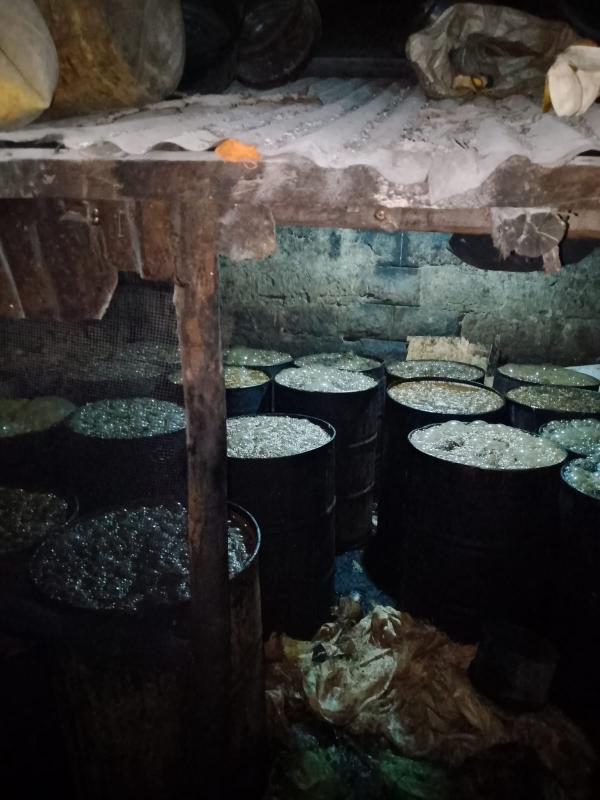
Some of the illicit brew seized by the Nacada team in Kawangware, Nairobi on September 7, 2025. /NACADA
For years, families across Nairobi’s low-income neighbourhoods have watched loved ones fall ill, lose livelihoods or even die after consuming cheap, unsafe alcohol.
Now, the county government says it wants to end that cycle.
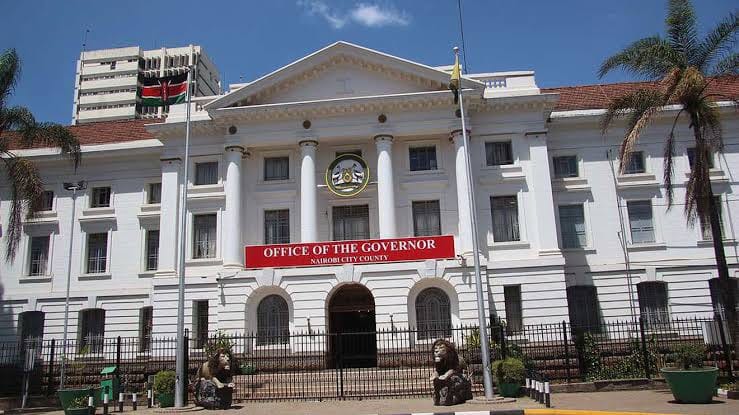
Nairobi City County is proposing sweeping reforms to regulate the liquor trade through the Nairobi City County Alcoholic Drinks Control and Licensing Bill (Repeal), 2025.
The proposed law seeks to tighten licensing rules, rein in deceptive marketing and strengthen enforcement to curb the spread of illicit and unsafe brews.
County officials say the reforms respond directly to growing health and social harm linked to unregulated alcohol — from poisoning deaths and chronic illness to domestic violence and deepening poverty.
The Bill proposes stricter vetting and licensing of traders, clearer labelling requirements and responsible advertising standards aimed at limiting exposure to minors. It also sets ethical guidelines for production, promotion and distribution, and introduces tougher penalties for illegal operators.
According to the National Authority for the Campaign Against Alcohol and Drug Abuse (Nacada), illicit brews have repeatedly been linked to fatal poisoning incidents across the country.
Its 2022 national survey shows that about 13 per cent of Kenyans aged 15–65 consume alcohol.
Harmful drinking patterns and the consumption of unregulated brews pose a significant public health risk.
The agency has warned that illicit alcohol often contains toxic substances such as methanol, which can cause blindness, organ failure and death.
Globally, the scale of harm is equally sobering. The World Health Organization estimates that harmful alcohol use contributes to more than three million deaths each year and is associated with over 200 disease and injury conditions.
Public health experts note that counterfeit and informal alcohol heightens these risks because of the absence of safety standards and quality controls.
Following consultative deliberations on the proposed Bill Business and Hustler Opportunities executive Anastasia Nyalita said the proposed law is anchored in public health and safety.
“At the heart of the proposed law is a strong focus on public health and safety. This Bill introduces firm regulations to limit underage access to alcohol, regulate advertising to prevent exposure of minors and enforce stricter compliance measures on traders,” Nyalita said during a stakeholder forum.
She added that the legislation includes safeguards against misleading promotions and deceptive marketing.
“Consumers must be properly informed about the risks associated with excessive alcohol use. Transparent labelling and responsible advertising are key to protecting residents,” she said.
County officials say enforcement will be stepped up to eliminate illegal operators. Awareness campaigns and rehabilitation programmes will also be expanded to support those battling alcohol dependency.
The County Assembly Sectoral Committee on Culture has backed the reforms, saying excessive alcohol consumption continues to strain families and destabilise communities.
Committee chair and Kabiro MCA Clarence Munga framed the issue in personal terms.
“This is about the safety of our homes. We are not just tightening rules; we are shielding our children from predatory marketing and ensuring that a drink ordered online does not turn into a medical emergency. Our neighbourhoods must be safe for families again,” he said.
Chief officer Lydia Mathia said the county aims to restore order and dignity in the alcohol sector by streamlining licensing, enhancing accountability and promoting transparency.
Liquor Board chair Myke Rabar said illicit brewers not only endanger lives but also deprive the county of revenue, undermining legitimate businesses.
“We are levelling the playing field for genuine, tax-paying traders by ruthlessly targeting smugglers and counterfeiters,” he said.
County Secretary Godfrey Akumali and Finance Executive Charles Kerich said curbing unlawful trade will protect consumers while shielding compliant businesses from unfair competition and revenue leakages.
Beyond enforcement, officials argue, the Bill represents a broader attempt to reset Nairobi’s relationship with alcohol by promoting responsible trade, informed consumer choice and stronger community safeguards.
If passed, the law could mark one of the most comprehensive overhauls of alcohol regulation in the capital.
County leaders are betting that tighter controls today will translate into safer neighbourhoods tomorrow.