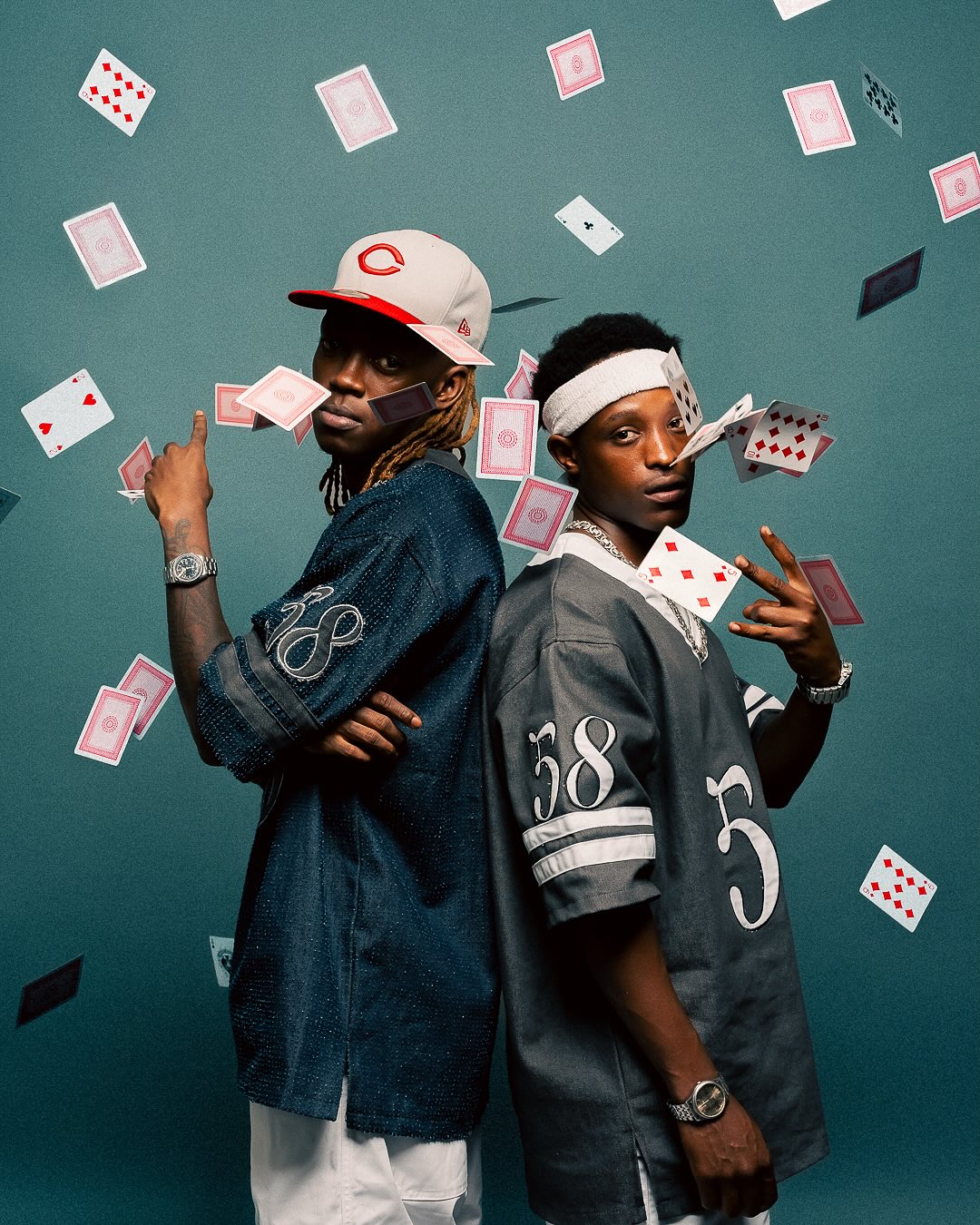
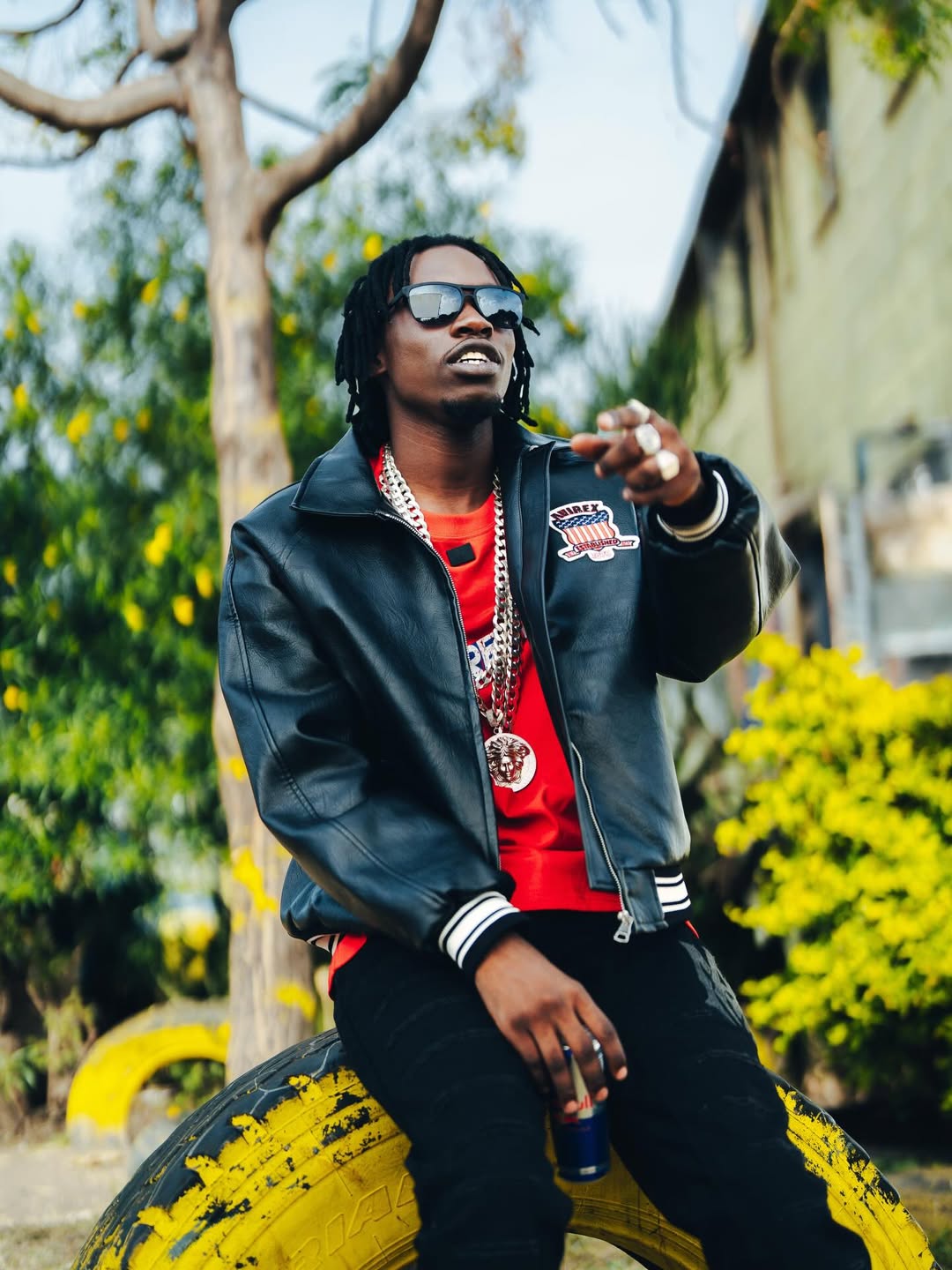
Buruklyn Boyz and Toxic Lyrikali have bee beefing. But what does this really mean for the music industry?
Rap music has always thrived on competition. From lyrical face-offs in underground cyphers to headline-grabbing diss tracks that dominate streaming charts, rap beef has become a defining part of hip-hop culture.
While critics often focus on the drama, the truth is that rap feuds, when kept musical and not violent, can be incredibly good for the industry.
At its core, hip-hop was built on battling. In the early days in the Bronx, MCs sharpened their skills by going head-to-head, proving who had the sharper wit, smoother delivery and stronger stage presence.
That competitive DNA still runs through the culture today. Modern rap beefs are essentially a continuation of that tradition, just amplified by social media and global audiences.
One of the clearest examples is the historic rivalry between Jay-Z and Nas. Their early 2000s clash produced some of the most iconic diss tracks in hip-hop history. Instead of hurting their careers, the feud elevated both artists.
Fans were dissecting bars, debating punchlines and revisiting catalogs. It pushed each rapper to deliver some of the sharpest lyrics of their careers.
The same can be said about the tension between Drake and Kendrick Lamar. Whether through subtle shots or full-on diss tracks, the rivalry reignited conversations about lyricism, authenticity and dominance in the rap game. Streams went up.
Timelines were flooded. Casual listeners turned into analysts overnight. Suddenly, everyone cared deeply about rhyme schemes and hidden meanings again.
So why exactly are rap beefs good for the industry?
First, they drive engagement. In the streaming era, attention is currency. A well-executed beef sparks debates on X, TikTok and Instagram. Reaction videos rack up millions of views. Podcasts dedicate entire episodes to breaking down one verse.
The culture becomes active and interactive. For blogs and media personalities—like yourself building a strong entertainment brand, this is prime content territory. Beef creates moments, and moments create traffic.
Second, beef raises the bar creatively. When artists know they are being challenged publicly, they often step up their pen game. Diss tracks are rarely lazy. They are calculated, layered and designed to impress both fans and critics.
The pressure of competition forces rappers to refine their craft. Some of the most quotable lines in hip-hop history came from heated rivalries.
Third, it boosts commercial performance. Controversy sells. Diss tracks often debut high on charts because fans are eager to hear “the response.”
Catalog streams increase as listeners revisit older songs looking for subliminals. Even artists who aren’t directly involved benefit from the renewed interest in the genre. Hip-hop as a whole becomes the center of conversation.
Also Read: Not Only Toxic Lyrikali vs Buruklyn Boyz: A Look at Iconic Diss Tracks and Rivalries
Fourth, beef helps define eras. Think about how certain rivalries shaped specific periods in rap. They give fans cultural reference points. Years later, people still ask: “Where were you when that diss dropped?” It becomes part of hip-hop folklore.
Of course, there’s a line. When beef turns physical or drifts into real-life danger, it stops being entertainment and starts being harmful. The industry has learned hard lessons about how quickly things can spiral. The healthiest rap beefs are the ones that stay on wax, competitive, clever and confined to the music.
Ultimately, rap beef is not just drama. It’s strategy. It’s marketing. It’s artistry under pressure. And when done right, it reminds the world why hip-hop remains one of the most dynamic genres on the planet.
In a culture built on proving who’s the best, a little lyrical smoke keeps the fire burning.