The political profile of Edwin Sifuna is rising fast, igniting debate across western Kenya and beyond over whether he is the next great unifying figure or simply a passing cloud.
Some observers have already begun drawing parallels with Western’s political icons such as Masinde Muliro and Wamalwa Kijana.
In recent months, the Nairobi senator has positioned himself as one of the most vocal critics of President William Ruto’s administration.
His combative style, sharp wit and unapologetic messaging have earned him renewed attention across the country.
Whether on the floor of the Senate, at political rallies, or during prime-time television interviews, Sifuna has demonstrated an ability to command attention and set the agenda.
His declaration that he would not support President Ruto’s reelection bid marked a turning point in his political trajectory.
To his supporters, it was proof of conviction. To his critics, it was political brinkmanship.
Sifuna’s popularity seemed to surge further after ODM removed him as secretary general over what the party termed “indiscipline,” a decision later suspended by the court.
Rather than weakening him, the move appeared to embolden his base. At subsequent rallies, supporters portrayed him as a leader being punished for speaking truth to power.
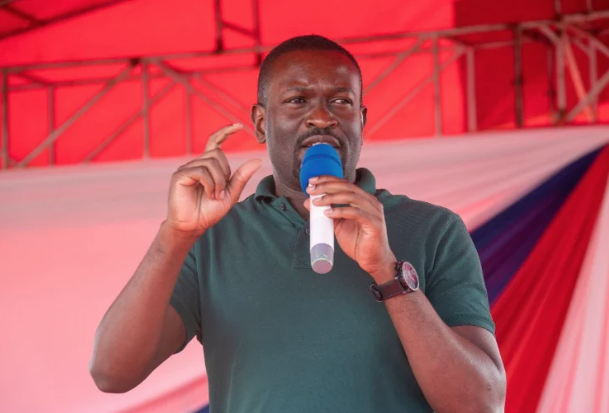
“No amount of intimidation or political threats will force me to retreat from criticising the government,” Sifuna declared at a rally in Kitengela recently.
Thousands of supporters turned up for the rally, signalling growing enthusiasm around his political message.
The atmosphere was electric, with chants of the now-viral slogan “Mimi ndio Sifuna” echoing through the crowd. The phrase, loosely translated as “I am Sifuna,” has quickly evolved into a badge of identification among his supporters.
A similar show of numbers was witnessed in Busia, where another rally attracted a large crowd of enthusiastic supporters.
His allies have also amplified the momentum. Vihiga Senator Godffrey Osotsi has declared that the upcoming Kakamega meeting will be the “mother of all rallies.”Boda boda riders in the county have publicly vowed to provide security for Sifuna and his team during the rally planned for Saturday, February 21, even issuing warnings following chaotic scenes at previous events.
All eyes now turn to Kakamega. Fresh from a tense tour in Kitengela where a supporter was tragically shot, Sifuna has promised to continue his “Linda Mwananchi” tours across the country.
The rally is widely seen as a litmus test of his influence in Western, a region long grappling with fragmented political loyalties.
Historically, the region has produced towering political figures. Muliro was a central figure in Kenya’s struggle for multiparty democracy and a unifying voice within the Luhya community.
Decades later, Wamalwa’s charisma and statesmanship helped propel the opposition to victory in 2002 and significantly elevated the region’s bargaining power in national politics.
Both leaders managed to transcend sub-ethnic divisions and rally the region behind a broader cause.
Political analyst Fred Sasia said Sifuna may not be a replica of Muliro or Wamalwa, but he embodies elements of their spirit, courage, clarity of conviction and an unwavering call for an empowered Kenya where citizens live free from fear.
“His voice, firm and unflinching, has increasingly positioned him as a defining figure in contemporary opposition politics,” he said.
Sasia added that even before the passing of former ODM leader Raila Odinga, the Nairobi senator had distinguished himself through bold and confident articulation of issues, demonstrating what many view as the essence of political resilience.
“In moments when caution would have been politically convenient, he chose candour. That resolve has only intensified, signalling that while leaders may depart, their ideological spirit can endure through those willing to carry it forward.”
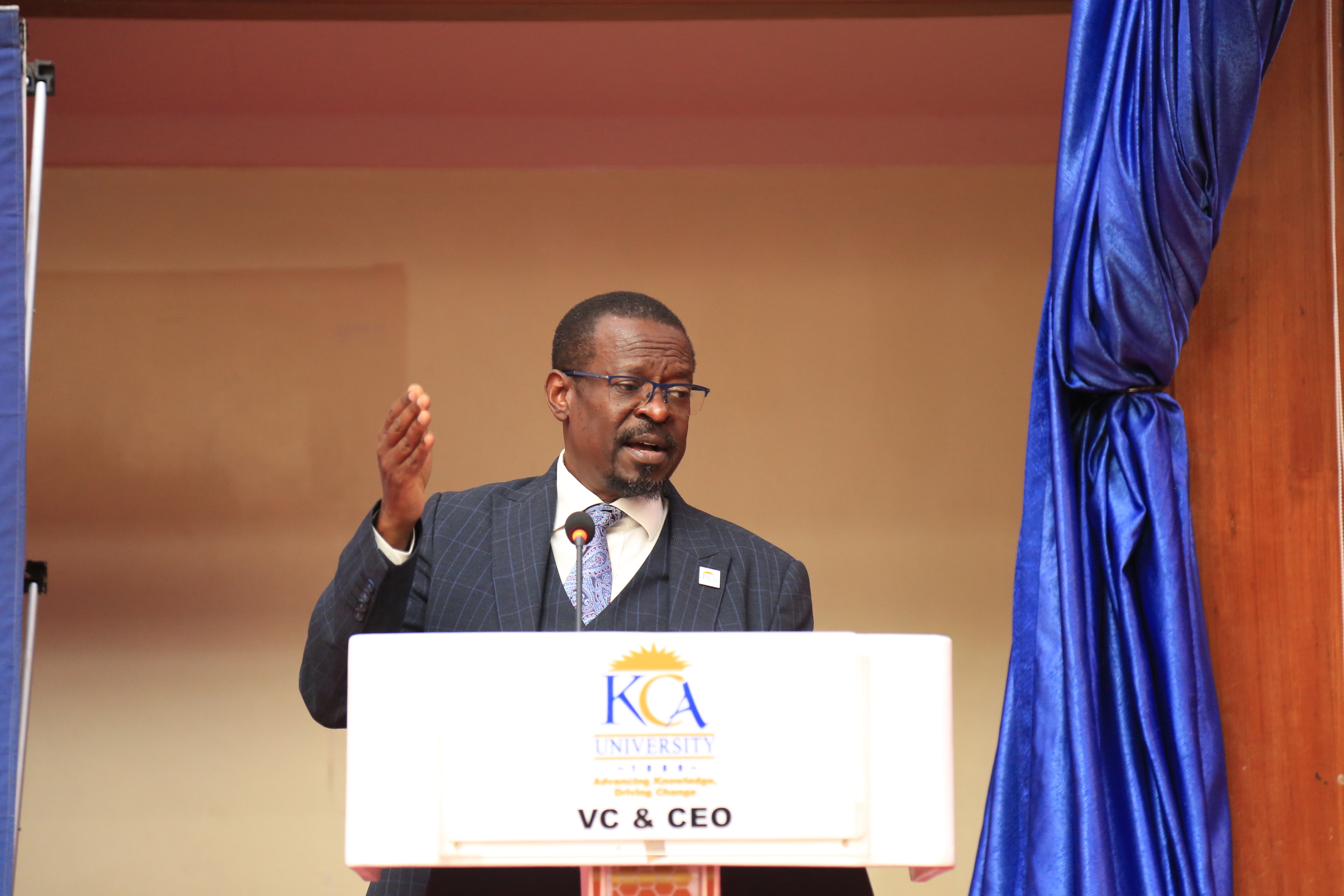
Kakamega Deputy Governor Ayub Savula, who doubles up as the deputy coordinator of President William Ruto's reelection campaign team in Western, argues that the senator lacks the organic roots and financial muscle required to lead the Luhya community.
"Sifuna is not himself, he is a creation of the late Baba and ODM. His popularity is just a passing cloud because he is running an event, not a programme, " Savula said.
Savula points to the transient nature of current political realignments, questioning the longevity of the Nairobi senator’s influence once the 2027 election is over.
"The controversy about the formation of a coalition between UDA and ODM will end after the 2027 elections, but what is Sifuna's big agenda? What is his end game? " he said.
Savula further highlighted the disparity in political experience between Sifuna and the current power players. He warned that the senator is stepping into a lion’s den, ill-prepared for the machinations at the highest level.
"Edwin Sifuna is fighting against the President, a politician who has won elections six times; he has more than 30 years of experience in politics, " he said.
Caleb Burudi, the Western regional coordinator of the Democratic Action Party-Kenya, cautioned against prematurely elevating Sifuna to the status once held by Muliro or Wamalwa.
Burudi acknowledged that Sifuna is currently drawing impressive crowds to his rallies but argued that the enthusiasm may be misleading. According to him, it is difficult to determine the true motivation behind the cheers and large turnouts.
He suggested that some supporters could be rallying behind Sifuna not necessarily out of deep political conviction, but because they oppose his rivals or appreciate his confrontational stance against certain leaders.
However, Burudi said that the ousted ODM secretary-general has the potential to harness his growing influence if he plays his cards right. He likened him to DAP-K deputy leader George Natembeya, who has recently gained popularity in Western due to his firm positions on governance and accountability issues.
“If he vies for president now, Sifuna will be surprised by the very few votes he will get. People cheering him just want him to finish somebody else,” he said.
He maintained that while the senator’s political future appears promising, it will largely depend on how he manages his current momentum and builds lasting structures.
For now, Burudi argued, Sifuna’s influence may be better suited to shaping alliances and playing the role of a kingmaker rather than positioning himself as the region’s undisputed political kingpin.
While noting that the Mulembe nation has historically produced formidable leaders, Sasia said it has been some time since a figure of outspoken national prominence has commanded the stage with such assertiveness.
“Like Wamalwa, whose charisma and stellar oratory marked a generational shift toward multi-party democracy and constitutional reform in the 1990s and early 2000s, Sifuna projects a similar magnetism amplified for a new political era. The popular rallying call ‘Sisi ndio Sifuna’reflects the growing aura and identification many supporters associate with him,” he added.
He highlighted that Muliro was revered for maintaining firm principles even when politically inconvenient, standing against authoritarian tendencies during the one-party era.
“That same strain of principle appears evident in Sifuna’s posture, particularly in his outspoken positions on governance arrangements and internal party direction, even at personal political cost,” he said.
Savula’s critique on the other hand extends to Sifuna’s political track record and economic standing. He argues that a leader who cannot fund a movement cannot unite a community historically starved of a single, powerful voice since the days of Wamalwa
"Going by history, Sifuna lost in parliamentary nominations in Kanduyi constituency, in 2017 he couldn't win the Nairobi senatorial elections, until the late Raila came to his rescue, " the deputy governor said.
"The same Sifuna has no money to fund his activities, and he is not a businessman, so how is he going to sustain his activities?”
He contrasted the senator’s financial standing with the economic might required to hold the Western bloc together, citing failed fundraising attempts by more seasoned politicians.
While Savula sees a "passing cloud," Sifuna’s supporters see a generational shift