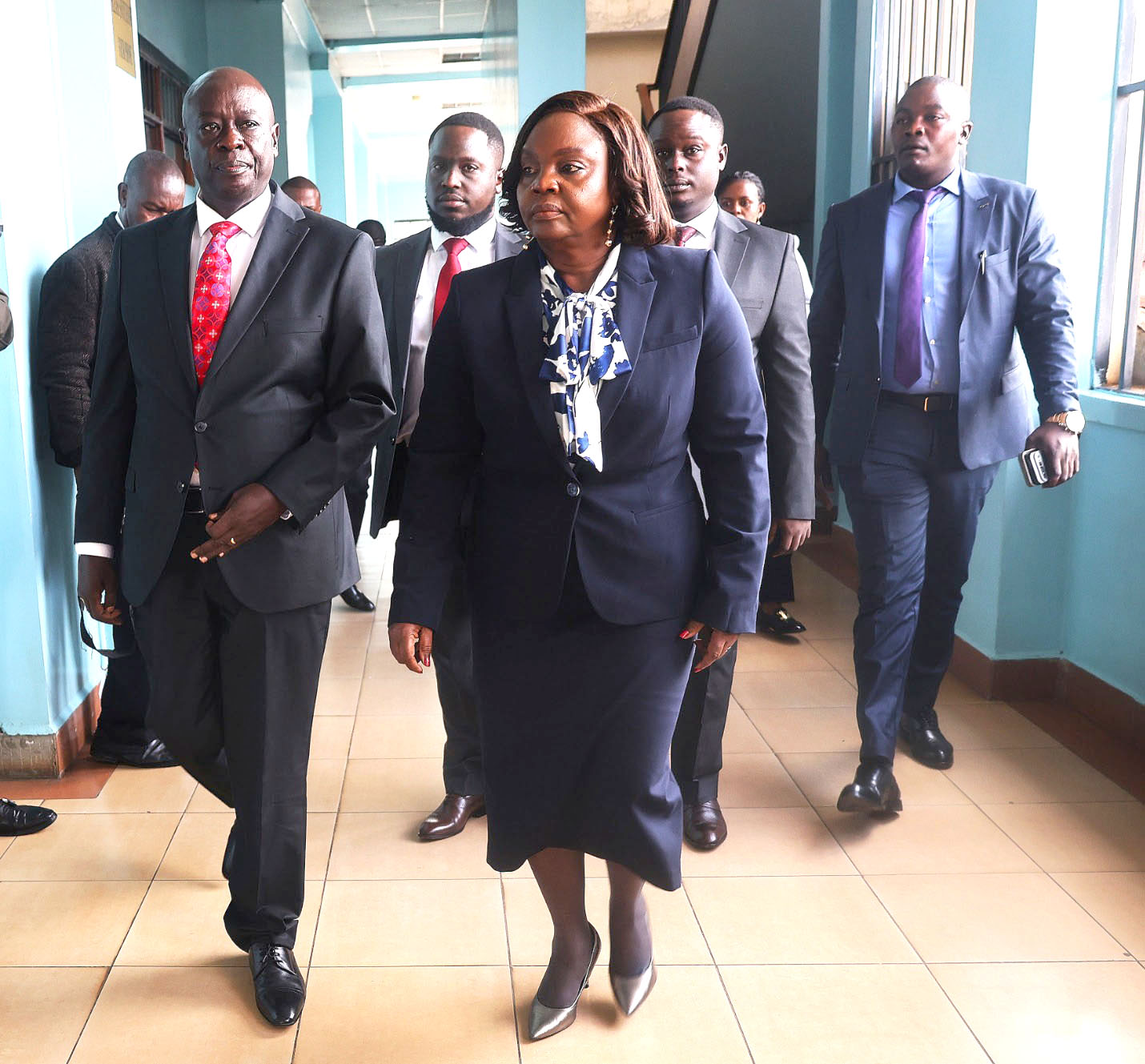
The impeachment of former Deputy President Rigathi Gachagua is once again in the headlines, this time as the courts consider the challenges arising from that impeachment.
For good reason, public commentary must be careful as the matter is active before the courts, and Kenya’s sub judice rule exists to protect both the integrity of the process and the right of all parties to a fair hearing.
But restraint does not mean silence. Rather, it means speaking to principles rather than outcomes.
At its core, the Gachagua litigation raises a familiar but unsettled question in constitutional democracies: how far should courts go in reviewing a political process that is itself anchored in the constitution? Impeachment is, by design, a hybrid creature. It is political in its initiation and voting thresholds, yet constitutional in its limits.
The tension lies in ensuring that the political branches exercise that power within the bounds of law.
The first fault line is procedural fairness. Even where Parliament is exercising a constitutional mandate, it is not exempt from the basic demands of due process.
The courts are not being asked to decide whether the allegations against Gachagua were proven. Rather, they are more narrowly being asked whether the impeachment process met the standards the constitution itself imposes.
That distinction matters. Courts are generally reluctant to second-guess the merits of political judgments. But they are far less hesitant to intervene where process collapses into formality.
The jurisprudence that has developed since 2010 suggests a middle path: deference to Parliament on substance, vigilance on procedure. If that line is maintained, the courts can vindicate constitutional norms without displacing the political branches.
The second issue is institutional balance. Kenya’s 2010 constitution deliberately fragmented power to prevent its concentration. Impeachment is one of the tools of accountability within that framework. Judicial review is another.
The challenge is ensuring that one does not swallow the other. If courts retreat too far, constitutional safeguards risk becoming hollow. If they go too far, they risk converting themselves into final arbiters of inherently political contests.
What appears to be emerging — at least from the structure of the arguments — is a cautious judicial posture. The courts have thus far allowed political processes to run their course while preserving the right to review them after the fact. That approach respects institutional roles while keeping the constitutional backstop intact.
A third, more technical issue has also surfaced: the proper constitution of the bench hearing the matter. While this may appear procedural in the narrow sense, it carries broader implications. Questions about who has the authority to empanel judges are not mere administrative quibbles. They go to the legitimacy of the judicial process itself.
If the bench is improperly constituted, the consequences can ripple beyond this case, affecting confidence in the administration of justice.
Perhaps the most telling development, however, is the shift in remedy Gachagua seeks. The move away from reinstatement toward compensation reframes the dispute. It lowers the temperature of the separation-of-powers debate by reducing the prospect of courts directly reinstating a political officeholder.
Instead, it places the focus on whether there was a constitutional violation and, if so, what remedy is appropriate. In many jurisdictions, courts are more comfortable granting declaratory relief or damages than unwinding completed political processes.
For the public, the temptation is to view the case through the lens of personalities and political alignments. That is understandable, but it is also limiting. The more enduring question is institutional: what standard will govern future impeachments?
If the courts articulate a clear threshold for procedural fairness, that standard will outlive the present dispute and shape the conduct of Parliament in years to come.
This is why the case matters beyond the immediate parties. It is a quiet test of whether the constitutional order can discipline political power without destabilising it. The answer will not come in sweeping pronouncements, but in careful lines drawn around process, jurisdiction, and remedy.
The courts now have an opportunity to clarify those limits in a way that respects both the letter and the spirit of the 2010 Constitution. It is a fine dance the court must have.
That’s what is at stake.
The US-based writer is a political commentator