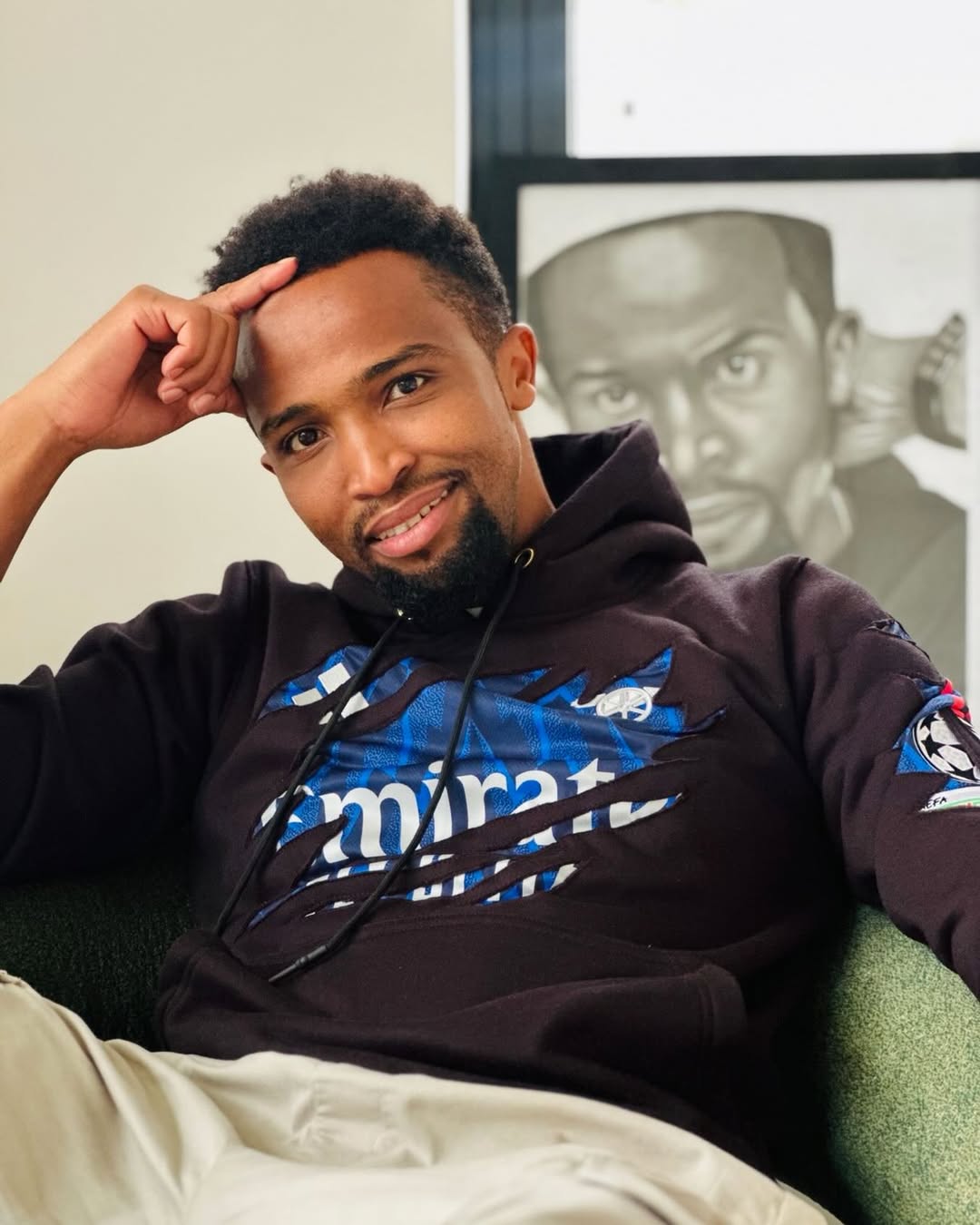
Kenyan musician and actor Pascal Tokodi has renewed calls for reform within the country’s music industry, urging artists to prioritize unity and proper systems if they are to benefit fully from royalties.
Speaking on #FridayNightRave this week, Tokodi said the sector must focus on building reliable and transparent structures to track music usage and ensure accurate payment.
Read Also
“Structures first,” Tokodi said, stressing that without clear mechanisms, artists will continue to struggle to claim what they are owed.
Enjoying this article?
Subscribe for unlimited access to premium sports coverage.
View Plans
He also emphasized solidarity among creatives, noting that collective action is necessary to address long-standing systemic challenges.
Ongoing Royalty Disputes
Tokodi’s remarks come amid continued uncertainty surrounding Collective Management Organizations (CMOs).
Under Kenyan copyright law, bodies such as the Music Copyright Society of Kenya (MCSK), the Performers and Audio-Visual Rights Society of Kenya (PAVRISK) and the Kenya Association of Music Producers (KAMP) are mandated to collect and distribute royalties on behalf of rights holders for public performances, broadcasts and other licensed uses.
However, the Kenya Copyright Board (KECOBO) declined to renew MCSK’s operating license for the 2025–2026 period, citing non-compliance with transparency and reporting requirements. The High Court of Kenya upheld that decision, ruling that MCSK cannot legally collect royalties without a valid license.
The ruling has left many artists uncertain about how and when payments will be processed.
Transparency and Tracking Concerns
KECOBO has previously indicated that artists received significantly less than projected collections, in some cases, only a fraction of expected earnings, due to reporting discrepancies and incomplete distribution data.
ALSO READ: Toxic Lyrikali vs Buruklyn Boyz: How Kenya’s Hottest Rap Feud Began

Musicians and industry observers have pointed to the absence of comprehensive digital tracking systems capable of monitoring music usage across radio, television, streaming platforms and public venues.
Without such tools, revenue flows remain difficult to verify.
Tokodi’s comments reflect broader concerns within the creative sector. His focus on accountability, technology and unity highlights an ongoing debate about how Kenya’s music industry can create a more reliable and equitable royalty framework for performers and producers alike.




Comments 0
Sign in to join the conversation
Sign In Create AccountNo comments yet. Be the first to share your thoughts!