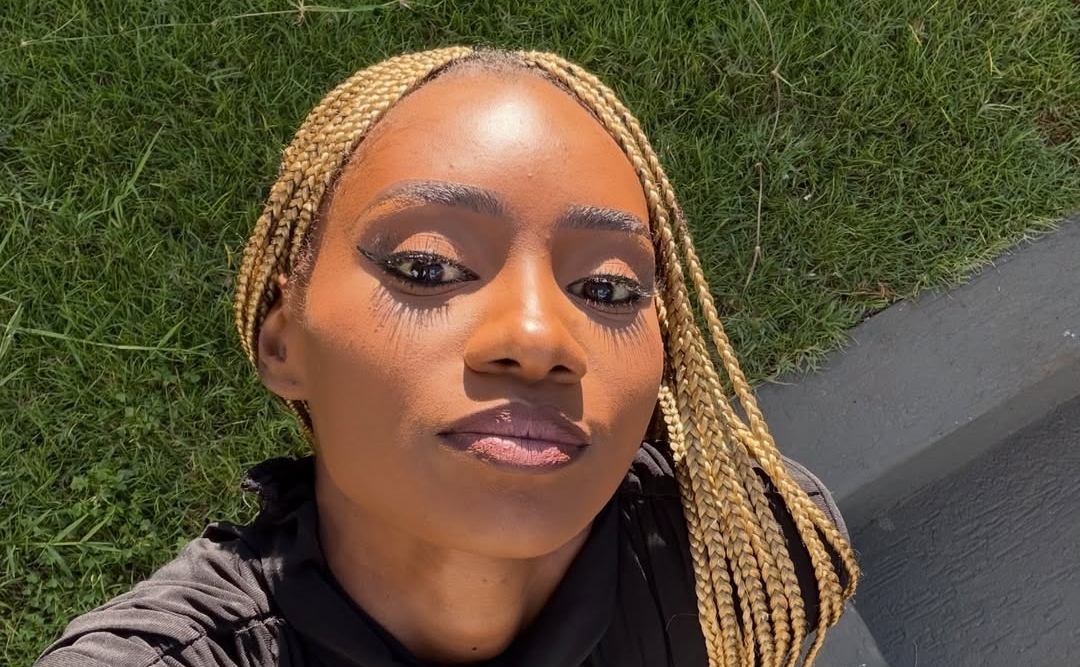
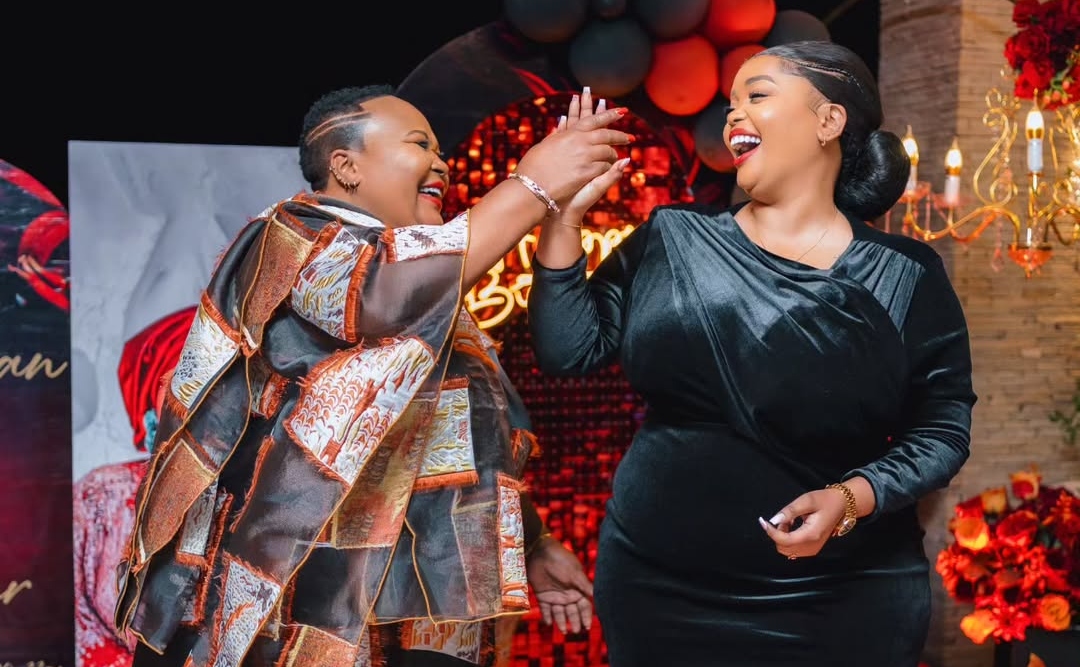
Socialite and aspiring political figure Corazon Kwamboka has sparked discussion online after making comments about how fellow public figure Esther Musila handles criticism on social media.
Kwamboka’s remarks, which circulated widely on social media this week, focused on her view that Musila, “being from a different generation,” should refrain from repeatedly responding to online trolls.
She said that engaging critics frequently can intensify emotional strain instead of providing resolution. “Constant replies to critics only deepen one’s own distress,” she said.
She said that engaging critics frequently can intensify emotional strain instead of providing resolution. “Constant replies to critics only deepen one’s own distress,” she said.
Read Also
The comments drew attention amid broader public interest in how public figures manage their online reputations. Social media trolling — defined as derogatory or antagonistic commentary directed at individuals online — remains a persistent issue for high-profile personalities, including celebrities, business figures, and politicians.

Enjoying this article?
Subscribe for unlimited access to premium sports coverage.
View Plans
Esther Musila and Online Attention
Esther Musila, a businesswoman and public personality, has been active on social media and frequently receives public commentary on her posts.
Discussions about her online interactions have occasionally surfaced in media reports, highlighting the attention given to responses from public figures.
Discussions about her online interactions have occasionally surfaced in media reports, highlighting the attention given to responses from public figures.
ALSO READ: Corazon Kwamboka Reveals the Only Man Allowed in Her Home - and It’s Not a Boyfriend
Musila has previously addressed issues surrounding misinformation and public narratives on social platforms, emphasising the importance of verified information.
Observers note that public figures face varying pressures online. While some users choose to ignore negative comments to avoid escalation, others engage selectively to clarify claims or provide explanations to their followers.
Kwamboka’s statement contributes to this ongoing conversation, framing detachment as a potentially effective approach to handling criticism.
Kwamboka’s statement contributes to this ongoing conversation, framing detachment as a potentially effective approach to handling criticism.
Broader Public Commentary
Earlier this year, Charlene Ruto, daughter of President William Ruto, also addressed online hostility. She urged respect for individuals in the public eye and highlighted the emotional impact of trolling and online abuse.
Charlene Ruto stated that being visible in the public domain does not make anyone a target for harmful commentary.

Public Reaction
Kwamboka’s remarks received mixed reactions on social media. Some users agreed that responding to online criticism repeatedly can be distracting and emotionally draining.
Others argued that public figures have a responsibility to respond when misinformation or false claims arise.
Others argued that public figures have a responsibility to respond when misinformation or false claims arise.
As social media discussions continue, the management of online criticism and digital reputation remains a prominent topic in Kenya, particularly for high-profile personalities.
The conversation highlights differing perspectives on engagement, detachment, and the emotional impact of public scrutiny.
The conversation highlights differing perspectives on engagement, detachment, and the emotional impact of public scrutiny.


Comments 0
Sign in to join the conversation
Sign In Create AccountNo comments yet. Be the first to share your thoughts!