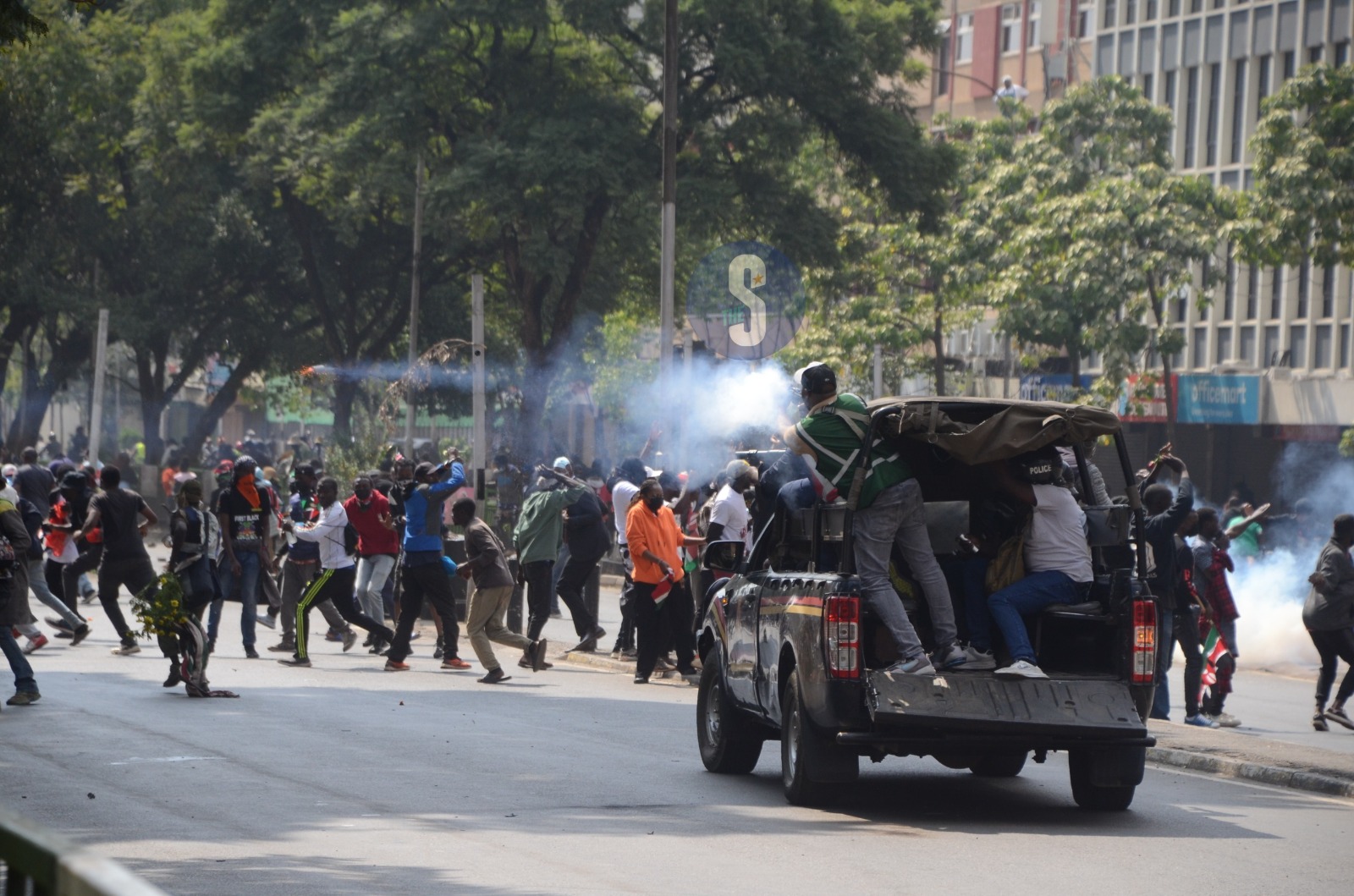
Police disperse protesters during the past demonstrations
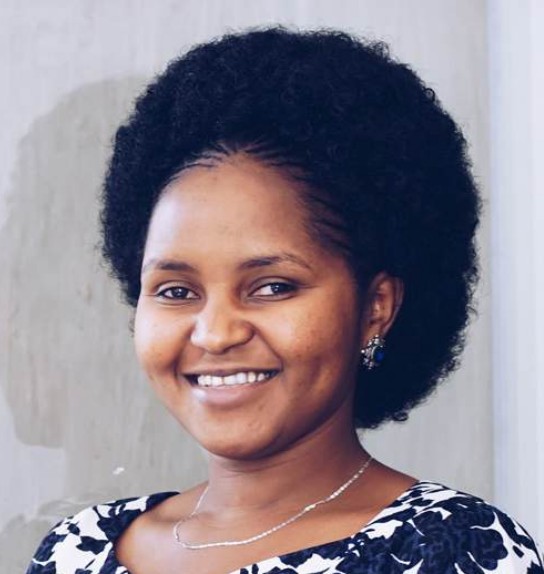
Kenya’s Nkatha Murungi has been cleared to serve as a member of the African Committee of Experts on the Rights and Welfare of the Child.
She was cleared by the African Independent Expert Panel. They released the report on February 11.
The African Committee of Experts on the Rights and Welfare of the Child (ACERWC) is a key continental organisation that safeguards children’s rights.
The panel concluded that Murungi met all the criteria outlined in the African Children’s Charter and the committee’s rules of procedure, praising her experience, integrity and reputation.
“Her work as acting director of the Centre for Human Rights at the University of Pretoria, her academic achievements, publications and dedication to children’s rights demonstrate her competence and commitment,” the panel noted.
“We found no concerns about her morality, independence or integrity.”
Murungi has spent years advocating for children, specialising in international human rights law and family law, and leading programmes such as the Children and Love initiative at the African Child Policy Forum.
Her record reflects deep expertise and a genuine passion for protecting the continent’s most vulnerable.
Another Kenyan candidate, Litha Ogana, could not be conclusively cleared by the panel.
While Ogana has an impressive track record – including leadership roles at the African Union and NEPAD, and membership of the African Commission – concerns were raised about her impartiality during a 2025 mission to Egypt, and her CV did not clearly demonstrate the legal experience required under the African Charter.
The independent panel, composed of five distinguished African human rights experts, including chairperson Angela Mell of Mozambique and vice chairperson Prof Chidi Odinkalu of Nigeria, evaluated 19 candidates over several months.
Their assessment combined questionnaires, desk research and structured analysis to ensure fairness and transparency.
Out of 19 candidates, 11 were found to fully meet the standards of competence, integrity, independence and impartiality. Three may not meet the criteria, three could not be conclusively assessed and two lacked sufficient information.
The panel emphasised that the effectiveness of Africa’s human rights mechanisms depends on electing members of the highest calibre.
They urged African Union member states to adopt transparent, competitive selection processes, allow sufficient time for evaluations and encourage candidates to clearly communicate their vision and priorities.
Mell expressed confidence that the AU would consider the panel’s recommendations.
“We applied a meticulous, objective methodology. Every candidate was treated equally and fairness was paramount,” she said.
Advocate Pansy Tlakula, a former chairperson of the African Commission, said such rigorous evaluations would strengthen the credibility of Africa’s human rights institutions.
“This is what our forebears envisioned when they adopted the African Charter – a system built on integrity, independence and accountability,” she added.
Between November 2025 and this month, the panel conducted virtual meetings and research, with its secretariat hosted by Kabarak University Press in Nakuru, ensuring a transparent and independent assessment process.