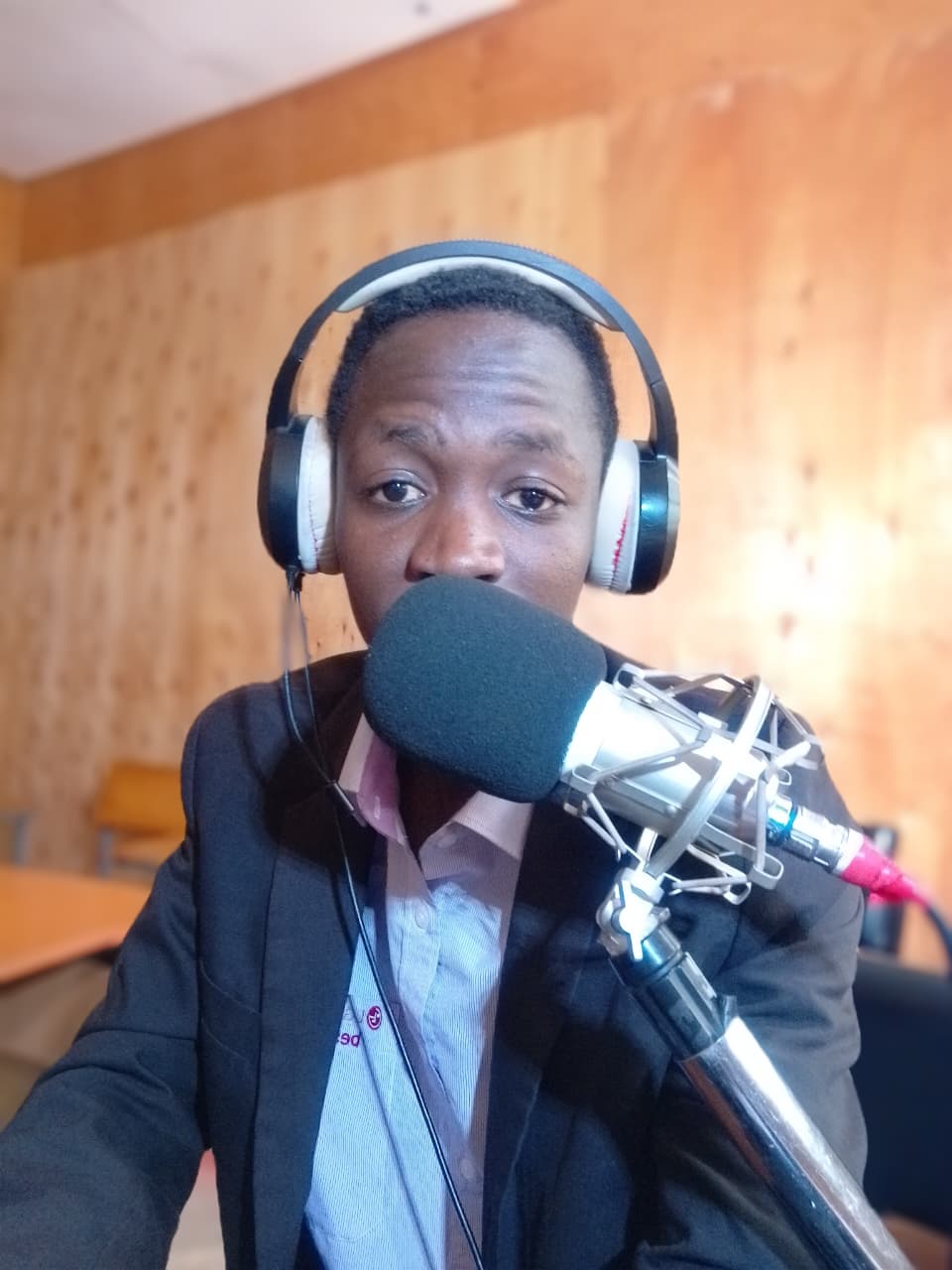
Kenyan rap’s most talked‑about star, Toxic Lyrikali, was once again the centre of conversation this week after a series of fiery exchanges with fans on Instagram that quickly went viral.
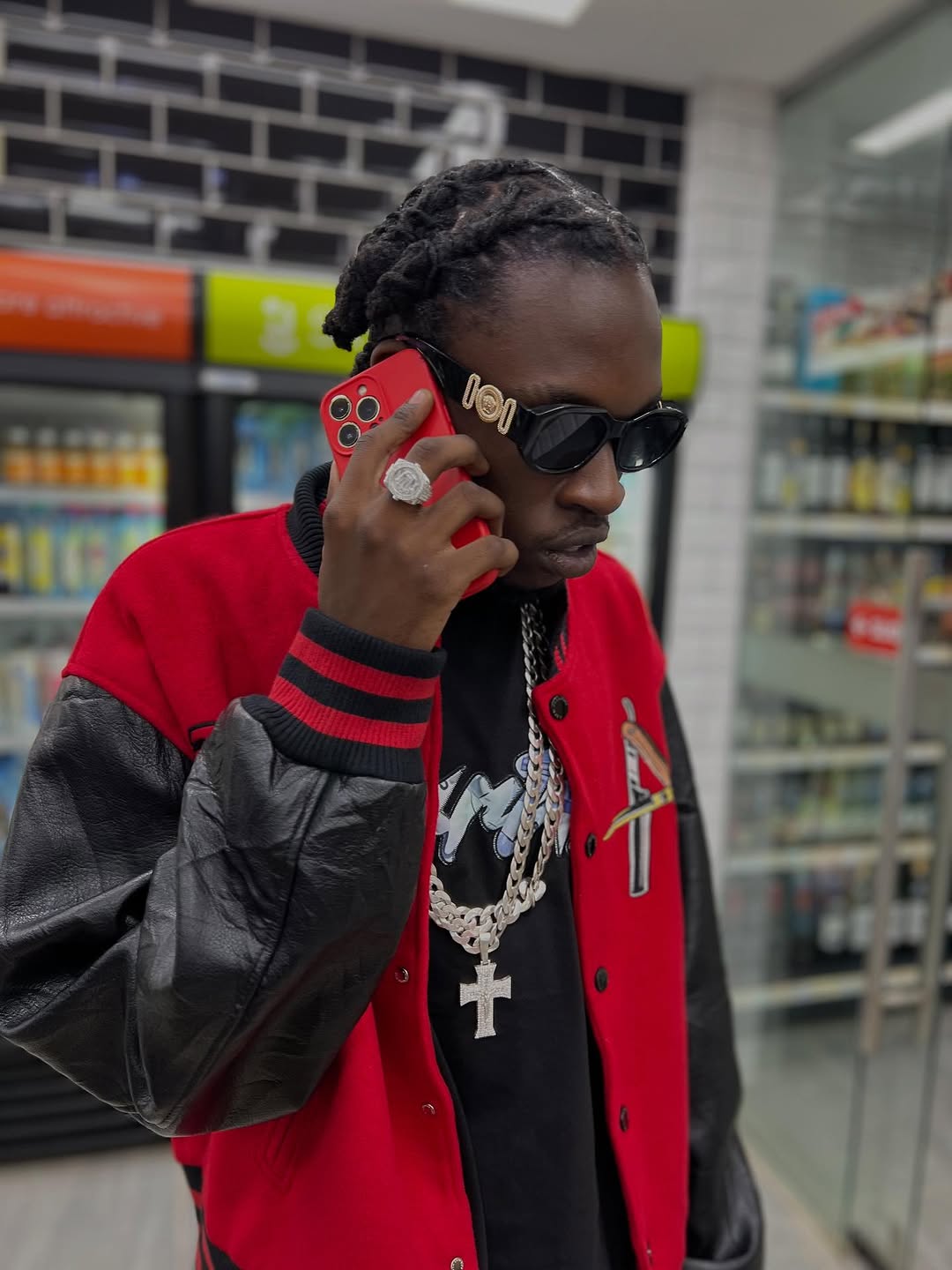
The now‑viral post began when one fan commented on his recent activity, posting in Sheng, “Utaishaa tuh kama wengineee” (loosely: “You will fall off like the others”).
The remark implied that Toxic’s time in the spotlight was fleeting and that he would soon be forgotten like so many other rising stars.
His reply was characteristically blunt: “Utakufa ukingoja” (roughly: “You will die while waiting”) — a stark and confrontational response that was shared widely across social platforms within hours.
Then came a second shot from another commenter who put Toxic’s prominence into a different frame: “Mr right is better than you, though, no hate, just facts.”
ALSO READ: Genge Meets Eastlands: Mejja and Toxic Lyrikali Drop 'Manifest'
This comparison to fellow rapper Mr Right — who many in Kenya’s music circles regard as one of the stronger drill‑rap voices — was intended as a compliment to the other artist, but Toxic wasn’t having it.
He fired back simply: “Numbers don’t lie.”
The rapper’s terse comeback points to the metrics he trusts most: streams, views, and engagement.
In recent months, Toxic’s music has dominated Kenyan streaming charts and social feeds, with several tracks making major waves on YouTube, TikTok and Apple Music long after their release.
This momentum has convinced many of his supporters that he isn’t just another flash‑in‑the‑pan artist.
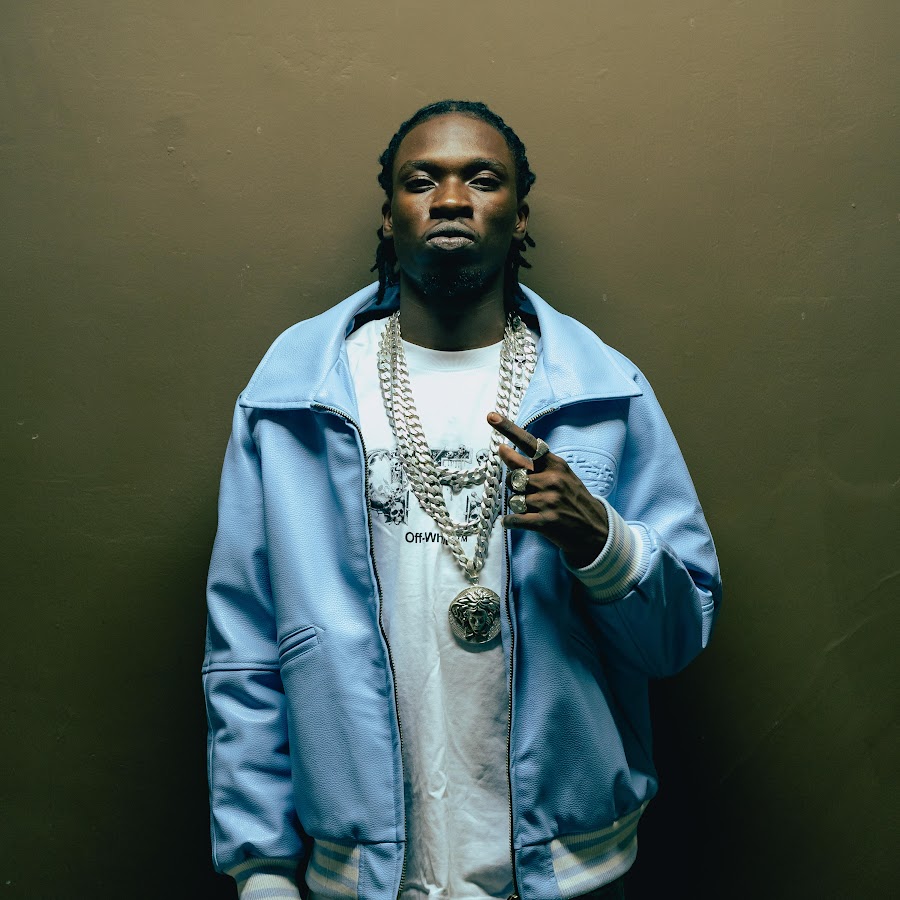
But the backlash has also exposed the larger tension at play in Kenya’s urban music scene — the ongoing debate about what constitutes staying power versus clout‑driven hype.
Toxic’s direct, sometimes aggressive online persona has sparked both support and criticism in equal measure.
Fans on Reddit and other forums have argued that his confidence is part of what makes him stand out, while others suggest that his provocations can come off as arrogance that could harm his long‑term reputation.
This recent Instagram exchange fits into that broader narrative.
Up until now, Toxic has often used social media as his battlefield — whether it’s pushing back against critics, dissing fellow artists who approach him for features, or defending his approach to his craft.
Earlier controversies have included feuds with artists like Tipsy Gee and Fathermoh, where booed diss tracks, public confrontations and viral videos only served to further fuel the online battles.
Despite this, Toxic has maintained a sizable and passionate fanbase that celebrates both his lyrical intensity and his unapologetic presence.
His music — rooted in street‑savvy rap and trap‑dancehall fusion — speaks directly to the experiences of many young Kenyans, especially in urban areas like Kayole, where he first built his following.
There’s also a tangible record of success behind the bravado. Earlier in his career, Toxic scooped “Rapper of the Year” at the 254 Radio Awards, a milestone that signalled mainstream recognition of his craft, even amid industry criticism.
Whether one agrees with his tone or not, Toxic’s reactions to fan comments illuminate how artists today are both shaped by — and shaping — the social media landscape.
In a world where a few lines in comment threads can spark headlines, Toxic Lyrikali continues to prove that he’s not afraid to lean into the chatter, armed with sharp words and unwavering confidence.

Comments 0
Sign in to join the conversation
Sign In Create AccountNo comments yet. Be the first to share your thoughts!