Despite being known as Kenya’s breadbasket, Trans Nzoia county continues to face high levels of malnutrition.
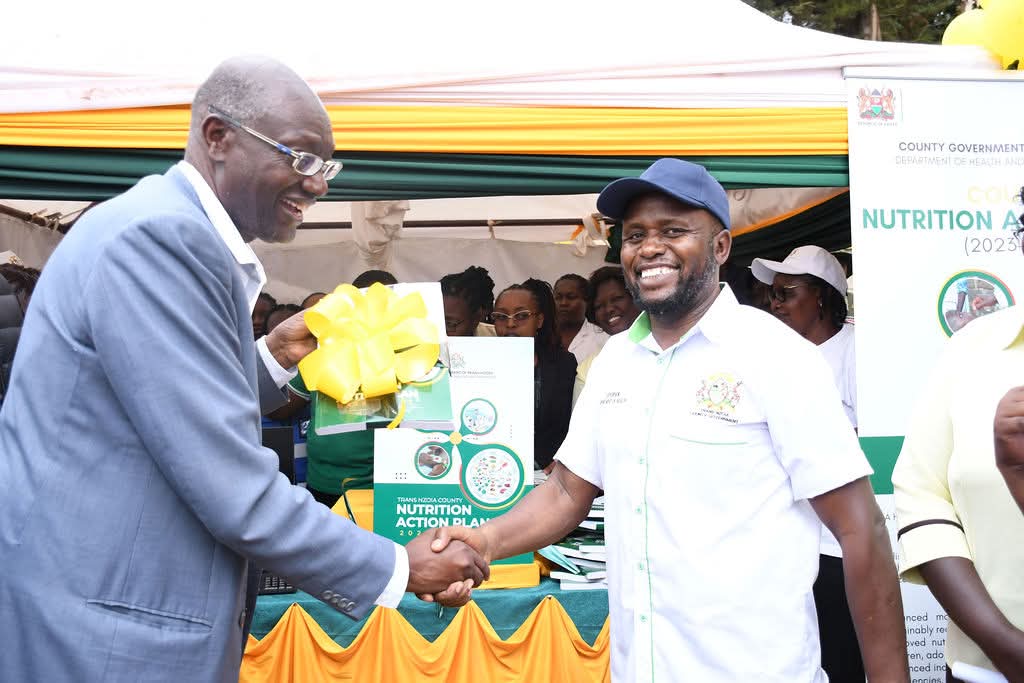
In response, the county has launched its first County Nutrition Action Plan (CNAP) to address malnutrition and preventable diseases.
Health experts describe the situation as a “triple burden of malnutrition”, marked by undernutrition, micronutrient deficiencies and rising cases of overweight and obesity.
County data shows that 21.3 per cent of children under five are stunted, 11.1 per cent are underweight and 3.2 per cent suffer from wasting, indicators of both chronic and acute undernutrition.
At the same time, lifestyle-related conditions are increasing. Data shows that 21.5 per cent of women of reproductive age are overweight, 7.2 per cent are obese and 1.9 per cent of the population is living with diabetes.
County Nutrition coordinator Lydia Kimani said the figures highlight the urgent need for coordinated action.
“Trans Nzoia is facing a triple burden of malnutrition. We are dealing with stunting, wasting and micronutrient deficiencies such as iron and vitamin A, while also seeing rising cases of overweight and obesity. These conditions affect immunity, growth, learning capacity and long-term productivity,” Kimani said.
She added that early breastfeeding practices remain below target, with only 58 per cent of infants breastfed within the first hour of birth.
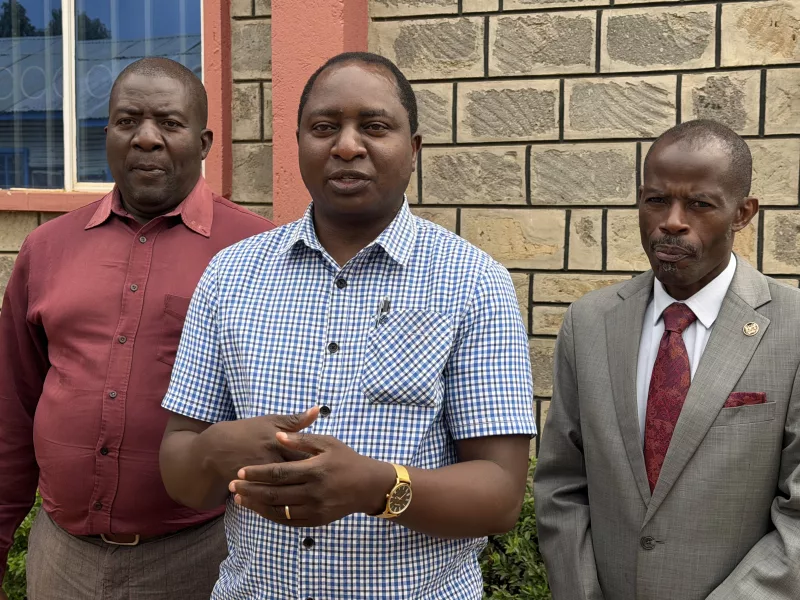
AMPATH Uzima RMNCAH/WASH programme manager Nobra Mutuku said the CNAP prioritises multisectoral collaboration across health, education, agriculture, water, sanitation and social protection.
“Nutrition challenges cannot be solved by the health sector alone. Our approach recognises the social, economic and environmental factors that influence diets and health outcomes,” she said.
AMPATH Uzima chief of party Prof Sylvester Kimaiyo said sustainable solutions must address the social determinants of malnutrition.
He called for stronger collaboration between education, agriculture, water, sanitation and social protection sectors. He also highlighted the role of school feeding programmes, agricultural diversification and biofortified crops in improving household nutrition.
Health and Sanitation executive Christopher Lorot underscored the importance of water, sanitation and hygiene programmes.
“Simple practices such as safe drinking water and handwashing directly reduce disease and improve nutrition outcomes. When children are frequently ill, their bodies cannot absorb nutrients effectively,” he said.
Lorot also emphasised the need for strong referral systems to support vulnerable families and ensure children with acute malnutrition receive medical care and social support.
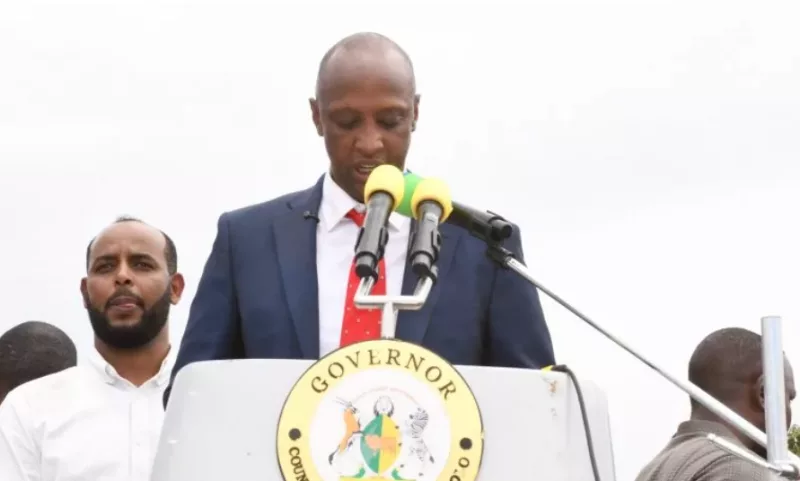
While launching the CNAP, Governor George Natembeya urged residents to rethink household food choices.
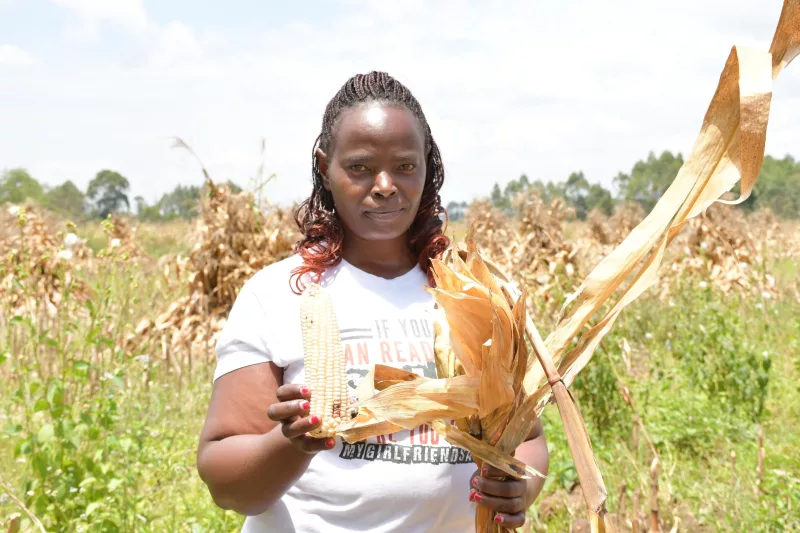
“It is ironic that a county known as Kenya’s food basket still struggles with malnutrition. We must stop selling nutritious foods produced at home only to buy less healthy alternatives. Our children deserve better diets and healthier futures,” he said.
He described the CNAP as a roadmap for evidence-based interventions, resource mobilisation and accountability across sectors.
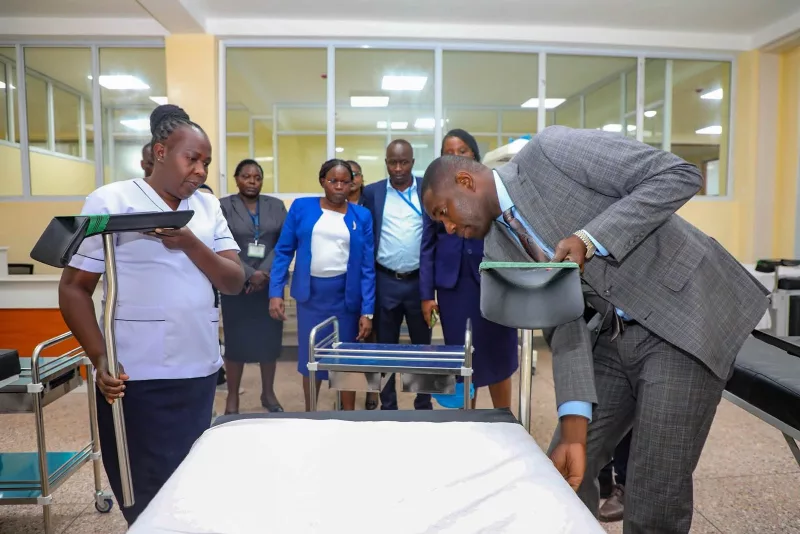
The launch also included a boost to healthcare infrastructure, with AMPATH Uzima donating equipment worth Sh14 million.
The donation included an AI-powered digital X-ray machine for early diagnosis of respiratory illnesses at Matunda Hub and nearby facilities, as well as seven computer sets to support the rollout of electronic medical records.
County health leaders welcomed the support, saying it will improve efficiency and quality of care for thousands of residents.
The Trans Nzoia County Nutrition Action Plan is expected to coordinate nutrition interventions across the life cycle, from maternal health and child feeding to adult wellness and disease prevention.
It will also guide partnerships, funding and implementation of proven strategies to build a healthier, well-nourished county.