A serious question now confronts Kenya’s coalition democracy: did the recent changes announced within the Azimio coalition comply with its own governing framework, and was due process observed before regulatory acknowledgement was given?
As a citizen committed to the rule of law, I am compelled to interrogate actions by the Office of the Registrar of Political Parties (ORPP), an institution entrusted with safeguarding legality in party and coalition affairs.
A letter from the ORPP dated February 2, 2026 (Ref: RPP/FRP/101 (73)) has elevated what might otherwise have remained an internal coalition dispute into a matter of national public interest, with significant implications for how political coalitions are governed in Kenya.
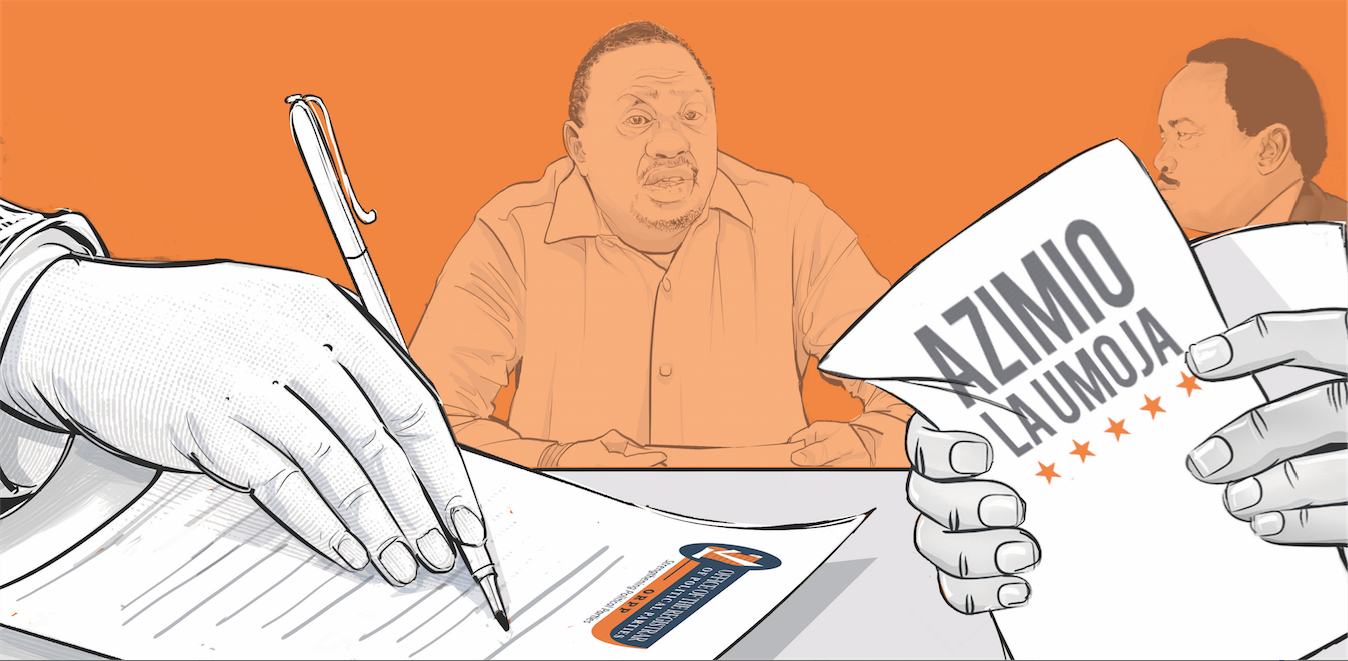
By acknowledging documents and offering administrative guidance relating to the purported installation of new officials within Azimio’s leadership, the registrar appears, on the face of the record, to have proceeded on the assumption that the underlying process was lawful.
Yet a close reading of the Azimio Deed of Agreement—the coalition’s supreme and legally binding instrument—raises serious questions as to whether that assumption was warranted.
The Deed of Agreement is not a political courtesy. It is a registered contractual framework recognised under Kenyan law. Any action taken outside its provisions is not merely irregular but legally infirm. Ironically, the Registrar’s own correspondence highlights procedural gaps that call the validity of the purported changes into question.
The first issue is notice. The ORPP acknowledges receipt of a notice dated January 29, 2026, convening a meeting held on February 2, 2026. Article 8(5) of the Deed is explicit: a minimum notice period of seven days is mandatory. A four-day notice is not a minor technical lapse; it is a substantive breach of a clear contractual requirement. Any resolutions flowing from such a meeting are, in law, void from inception.
The second issue concerns authority. The submission of minutes and attendance lists cannot cure a foundational defect. Article 5 of the Deed exhaustively sets out the recognised organs of the coalition. It does not provide for automatic reconstitution upon exit. The body that purportedly convened on February 2, therefore, appears to have lacked the constitutional standing necessary to make binding decisions on behalf of the coalition.
This concern is amplified by a critical substantive safeguard that appears not to have been satisfied: the requirement of mutual agreement.
Article 19 of the deed could not be clearer. Any amendment to the coalition’s structure or governance requires the mutual agreement of all constituent parties, reduced into writing and signed by each of them. This clause exists precisely to prevent unilateral alteration or capture of the coalition framework.
The position of the Orange Democratic Movement (ODM), Azimio’s largest constituent party by elected strength, is therefore central. ODM has publicly and formally declared that it did not consent to the purported process and considers it null and void. Where unanimity is contractually required, the withholding of consent by even one party—let alone the majority partner—is fatal.
In this context, the registrar’s role is not merely administrative. The ORPP is a statutory gatekeeper. Its duty is to interrogate legality before offering regulatory guidance or proceeding to publication. Section 20 of the Political Parties Act presupposes that changes presented to the registrar are lawful. It does not authorise the validation of contested or procedurally defective actions.
Proceeding without resolving these defects risks sending a troubling signal: that registered deeds and constitutions are optional, that internal safeguards can be bypassed and that compliance is a matter of paperwork rather than legality.
This moment, therefore, calls for institutional clarity and restraint from the ORPP. The question is not political; it is legal. Will the ORPP insist on strict compliance with registered coalition agreements, or will it lend administrative effect to processes whose legality remains unresolved?
This issue transcends Azimio. It is a defining test for coalition governance and constitutionalism in Kenya. On the face of the record, the purported changes of February 2 appear legally unsustainable—arising from defective process and lacking unanimous consent.
Strategic adviser and expert in leadership and governance