The dream is free. The hustle is not. We complain a lot, but do we have it in us to be the change that is required? It’s not cheap.
Anyone can imagine a better healthcare system. Schools that actually educate. Infrastructure that works. Everyone agrees these things should exist.
The gap between what is and what should be gets documented in reports, debated in conferences, lamented in op-eds. Then everyone goes home, and nothing changes.
You already know what's broken in your field. The systematic failure that's been killing people, wasting talent or crushing potential for 20 years. You have diagnosed it more accurately than any consultant.
You understand the root causes. You might have even published about it. Now comes the only question that matters: will you fix it, or will you pass it to the next generation?
Here's what closing that distance actually requires. You will wake at 4 am to work on it before your day job starts. You will learn skills outside your training, such as contract law, health insurance regulations, supply chain logistics – things that have nothing to do with why you went to medical school or got your engineering degree.
Your peers who stayed in their lane will get promoted while you are spreading yourself thin. Your family will pay a price they did not sign up for. And after all that, you will reach thousands in a country that needs millions.
Twenty years from now, if everything works perfectly, the problem will be fifteen per cent better. Not solved. Just less bad.
So most people don't do it. They are not wrong. The cost is real. Your mental health matters. Your family matters. Being excellent within a broken system is better than being destroyed trying to fix it. That is a rational choice, and no one should judge you for making it.
But some people cannot walk away. Not because they are heroes or martyrs. Because they have seen what the dysfunction costs up close.
They have watched the woman in Lagos spend three days calling every hospital in the city, looking for insulin that's sitting in a warehouse because the distribution system failed.
They have stood in the government office while the civil servant explains that yes, the policy makes no sense, but changing it would require someone to rewrite 200 pages of regulations and fight 12 departments that benefit from the status quo. They have done the math and realised that at current rates, nothing will change in their lifetime. Or their children's lifetime. And they have decided that's unacceptable.
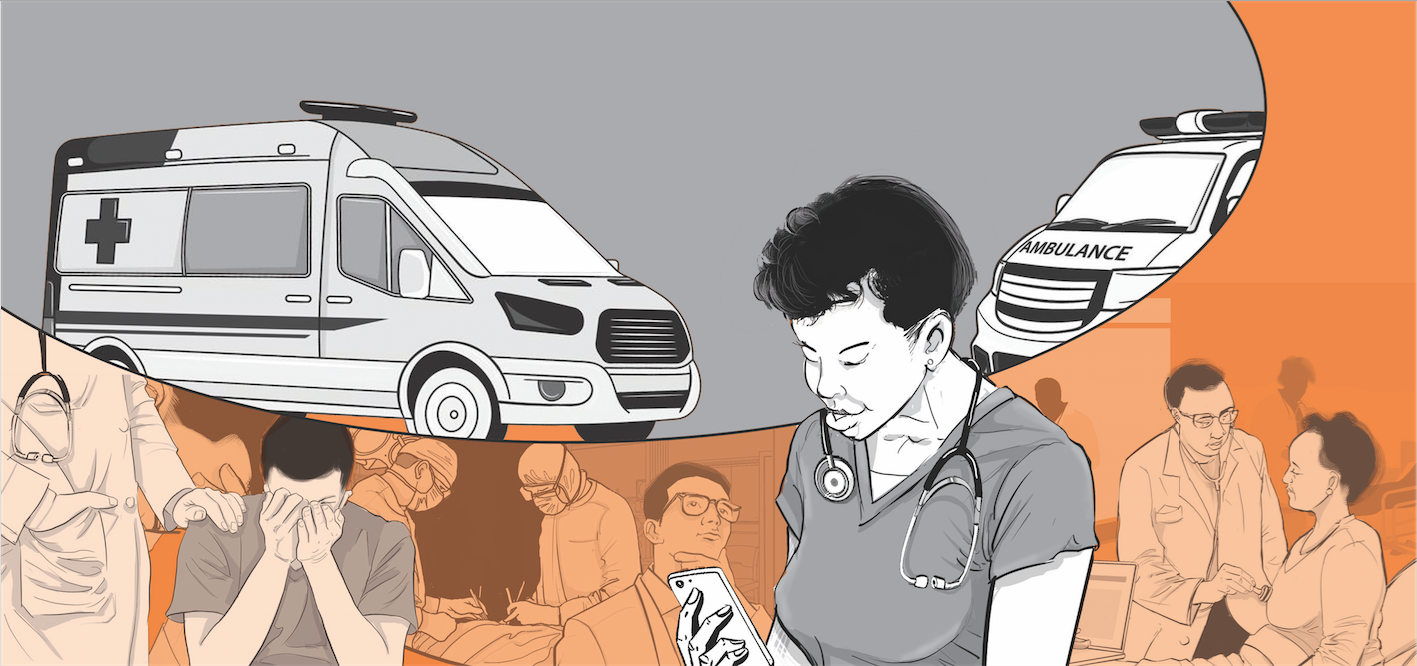
In 2019, a nurse in Nairobi started a WhatsApp group to coordinate ambulance services across five hospitals.
Nothing sophisticated. Just people sharing real-time information about which emergency rooms had capacity, which ambulances were available, which roads were blocked. It saved lives the first week. Within six months, 30 hospitals had joined.
The government noticed and tried to formalise it, which nearly killed it. Too many requirements, too much bureaucracy. She kept it informal. Today, it coordinates care for an entire region.
She did not fix Kenya's emergency medical system. She built 13 per cent of a solution. Someone else will build the next 13 per cent. And eventually, maybe in 2045, maybe in 2060, the system will actually work.
That's how everything that ever mattered gets done. Not through vision or funding or political will, though those help. Through someone deciding the wait has gone on long enough and building what they can with what they have.
Most of what you build will fail. The company will fold. The policy won't pass. The initiative will run out of funding. The system will absorb your innovation and continue functioning exactly as it did before.
This isn't pessimism. It's probability. Systems are designed to resist change. They have immune responses. Antibodies. People whose power depends on nothing improving.
But here's what they cannot stop: the accumulation of attempts. The nurse's WhatsApp group worked because 15 other people had tried and failed to coordinate ambulances over the previous decade. They built pieces of solutions that did not scale. They learned what did not work. They created the conditions that made her attempt possible.
Your effort might be one of the failures. Or it might be the one that works because 10 failures came before it. You won't know which until you try. The hustle is sacred not because it guarantees results. It's sacred because it's the only thing that ever produces them.
What happens if you don't? If everyone in your generation decides the cost is too high, the gap too wide, the system too resistant? Then 2050 looks like 2025. Your children inherit the same broken systems you inherited.
They write the same reports about the same problems. They complain about the same dysfunction. And they pass it all to their children, with 25 more years of evidence that nothing can change. That's not neutral. That's a choice. Every day you don't build something is a day the problem persists.
You already know what needs building. The thing everyone complains about but no one fixes. The obvious solution that requires someone to carry the weight the system was not designed to bear. Will you be the generation that moves the needle, or the generation that documents why it cannot be moved?
The dream is free. Hope costs nothing. But the bridge gets built one plank at a time, by people who show up knowing they will never see the other side. Someone will close the distance between what is and what should be. The only question is whether it happens in your lifetime or your children's.
Start building.
Surgeon, writer and advocate of healthcare reform and leadership in Africa