People around the world seek relief from illness in many ways. Some turn to hospitals and clinics, relying on science.
Others look to faith, prayer, or spiritual practices. While both approaches aim to improve health, the boundary between them can be complex.
Read Also
Scientific Healing: Evidence-Based Medicine
Enjoying this article?
Subscribe for unlimited access to premium sports coverage.
View Plans
Scientific or biomedical healing relies on research, clinical trials, and diagnostic tools. Treatments are tested for effectiveness and safety before they are widely used. Hospitals follow strict protocols to minimise risks and ensure positive outcomes.
Key points about scientific healing:
- Uses evidence from clinical trials and diagnostic testing
- Interventions are measured and reproducible.
- Focuses on treating specific conditions with proven methods
“Scientific medicine ensures that treatments are effective and minimise harm,” says Dr. Anne Mwangi, a Nairobi-based physician.
Faith-based or supernatural methods are generally not part of hospital care because they lack consistent scientific proof.
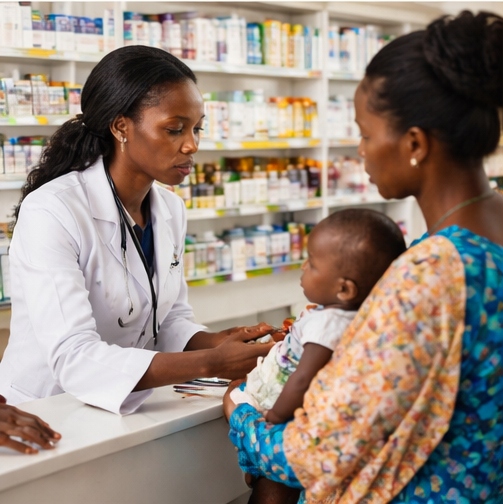
Faith Healing: Spiritual Practices and Belief
Faith healing draws on religious traditions. Across Christianity, Islam, Judaism, Buddhism, and other faiths, people may seek recovery through prayer, rituals, or laying on of hands. In some communities, faith healers are the first point of care.
Potential benefits observed by researchers:
- Reduces stress and anxiety
- Improves coping and resilience
- Enhances spiritual well-being, which can support recovery
“Faith practices can provide comfort and hope, which are important for mental and emotional health,” notes a study published in the Journal of Religion and Health.
ALSO READ: Gloria Orwoba Defends Personal Image on Menstrual Health Billboards
However, clinical studies have not consistently shown that faith healing alone cures physical illnesses. Where trials have been conducted, results often do not exceed placebo effects.
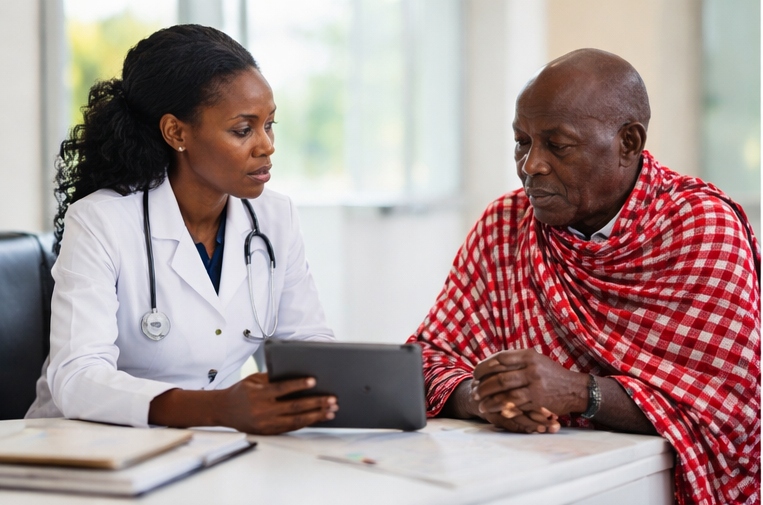
Integrating Science and Faith
Many patients combine both approaches, receiving medical care while drawing on spiritual resources. This can strengthen community bonds, resilience, and meaning during illness.
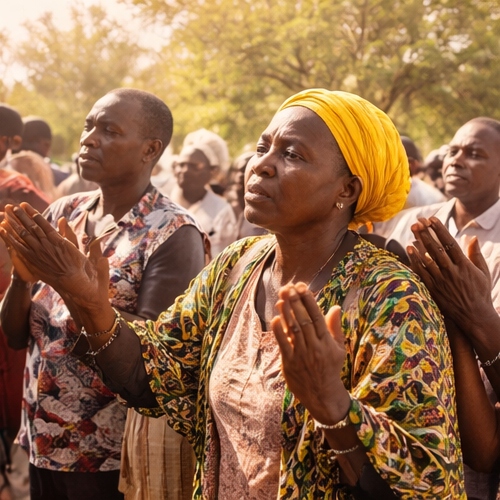
Medical perspectives:
- Some clinicians recognise the psychosocial support of faith practices.
- Others warn that relying solely on non-medical healing can be risky.
- Studies show a significant share of physicians consider exclusive dependence on faith healing potentially dangerous.
“Patients can benefit from spiritual support alongside clinical care, but faith alone should not replace medicine,” says Dr. Mwangi.






Comments 0
Sign in to join the conversation
Sign In Create AccountNo comments yet. Be the first to share your thoughts!