Kenya’s energy sector in 2026 is at a critical juncture, characterised by record-breaking electricity demand, significant geothermal expansion and the anticipated start of commercial oil production.
The sector is expected to be governed by modern policies aimed at achieving universal electricity access by 2030 and transitioning to a 100 per cent clean energy grid.
The National Energy Policy ( 2025–34 ) is the foundational roadmap guiding this shift from a decade-long generation freeze to an aggressive expansion of local renewable capacity to meet surging demand.
This policy aims to address energy access, affordability and security while promoting clean energy solutions.
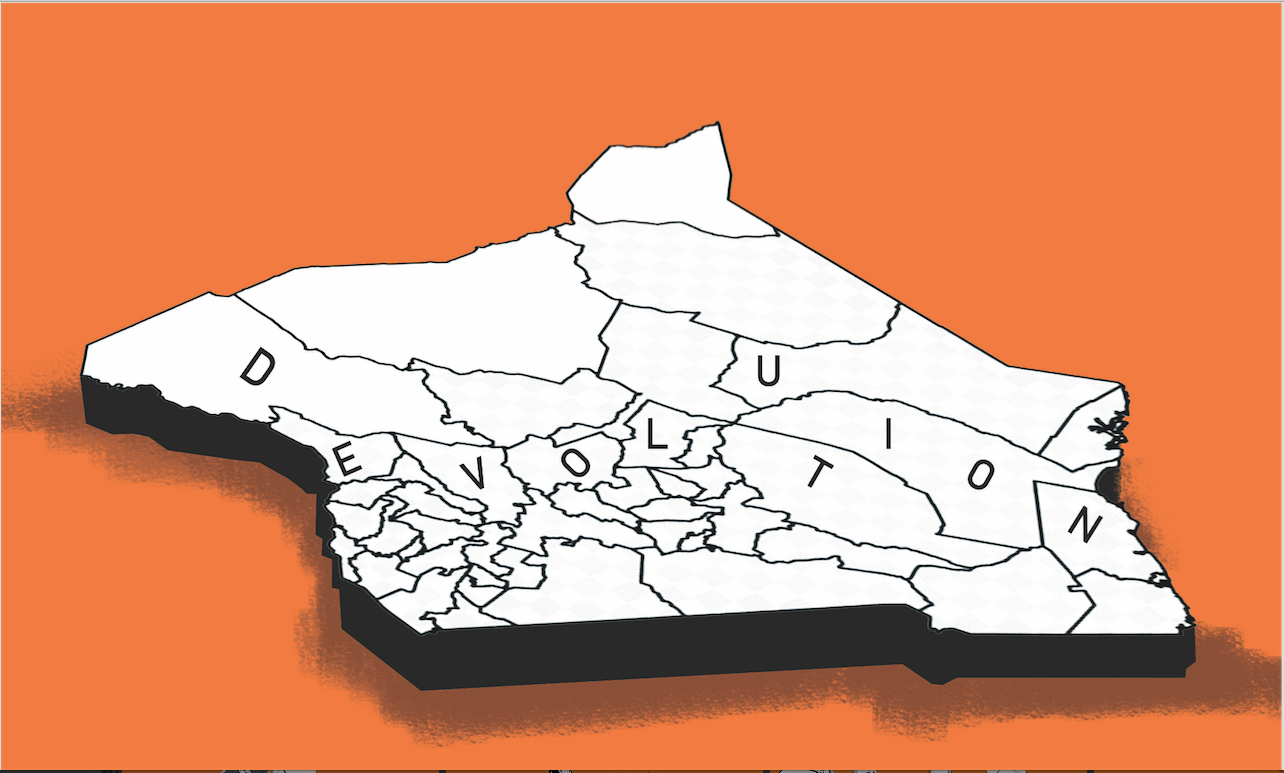
Key strategic drivers include decentralisation to encourage more private players, diversification into solar, wind and green hydrogen, and ensuring a ‘just and equitable’ transition for rural communities.
Kenya’s energy outlook for 2026 also offers significant investment opportunities driven by a supportive policy environment focused on sustainability and increased capacity.
Simultaneously, the new energy policies are designed with a primary goal of environmental sustainability and aligning with global climate commitments.
2026: The ‘Pivotal Year’ for power generation
The foundational document guiding this transition is the National Energy Policy ( 2025-34 ), launched in early 2025. This policy aims for a 100 per cent clean energy grid by 2030 and focuses on decentralisation, diversification and a just energy transition for underserved rural communities. Key infrastructure milestones for 2026 include:
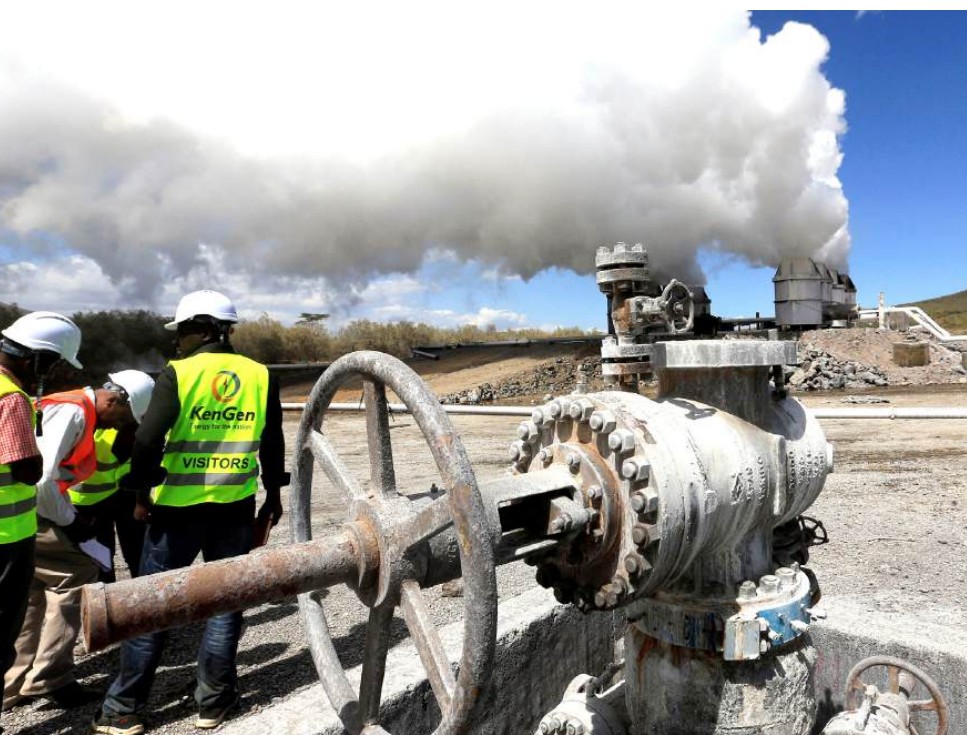
Geothermal expansion: Kenya is a global leader in geothermal energy, and investors can partner in developing plants or joining consortia that finance construction.
An additional 133MW of geothermal power will be added to the grid, including 63MW from the rehabilitated Olkaria I plant and 70 MW from the Menengai complex (OrPower 22 and Globeleq plants).
Transmission lines: The government aims to complete its first major public-private partnership transmission projects, including new high-voltage lines, by August this year to reduce system losses.
Solar and wind: The development of large-scale solar farms, innovative off-grid solutions, and utility-scale wind farms are key areas.
Power purchase agreements: Following an eight-year freeze, 2026 marks a pivot toward new, lower-priced PPAs to resolve potential supply deficits and reduce costs for manufacturers. Following the lifting of an eight-year moratorium on new power purchase agreements in late 2025, 2026 marks the first full year of resumed large-scale investment.
Capacity targets: Kenya Power is currently negotiating with more than 50 independent power producers to add about 1,112 MW of new capacity to the grid.
Geothermal dominance: Geothermal energy remains the backbone of the grid, supplying around 45 per cent of total electricity. Key projects coming
Online this year include the OrPower 22 plant in Menengai ( 35MW) expected by March and the completion of uprating at Olkaria I, adding another 63MW.
Peak demand surge: National peak demand reached a record 2,439MW late last year. The year 2026 is critical for commissioning new plants to prevent the grid rationing seen in early 2025.
Strategic policy and infrastructure milestones
The government is implementing a new long-term framework to ensure energy security and industrial growth. The National Energy Policy 2025–34 and the National Energy Compact 2025–30 are fundamentally grounded in achieving sustainable development and aligning with the Paris Agreement.
Positive impacts: The focus on renewables (which already account for over 80 per cent of current capacity) directly contributes to reducing dependence on fossil fuels and cutting greenhouse gas emissions. The push for clean cooking solutions (LPG, electric cooking) aims to reduce reliance on traditional biomass, addressing deforestation and associated health risks.
Challenges/concerns: While largely positive, the Menengai geothermal project faced local community concerns regarding noise pollution, air quality issues (hydrogen sulfide emissions), acid rain, earth tremors during drilling, and human-wildlife conflict. The new oil production in Lokichar also raises questions about environmental safeguards and how benefits will be shared with local communities. The government mandates strategic environmental and social impact assessments for all new projects.
Transmission modernisation: By August this year, the country aims to complete its first major PPP transmission project, consisting of two high-voltage lines ( 400kV and 220kV) costing Sh40.4 billion to ease grid congestion and reduce system losses.
National infrastructure fund: Made operational in January 2026, this fund serves as a central engine for financing large-scale energy projects and reducing reliance on traditional taxation. Clean cooking and off-grid expansion Beyond the central grid, 2026 sees an intensified push for universal access.
LPG revolution: Domestic LPG consumption grew 15 per cent in the previous year, and the government is currently rolling out LPG reticulation to 5,000 public schools and mass housing projects throughout 2026. The Kenya National Cooking Transition Strategy aims for universal access to clean cooking by 2028, with 2026 focusing on transitioning public institutions to LPG and electric options.
Last Mile connectivity: The goal remains to reach 15 million households by 2030, with 2026 prioritising off-grid solar mini-grids for underserved rural communities.
Beyond traditional sources, Kenya is also investing in emerging sectors:
Green hydrogen and e-mobility: The E-Mobility Policy provides incentives to accelerate the adoption of electric vehicles, a sector that saw energy usage increase by 300 per cent heading into 2026. Strategic investments are flowing into green hydrogen pilots and EV charging infrastructure, which are projected to support up to 500,000 new jobs by 2050.
Clean cooking: The Kenya National Cooking Transition Strategy aims for universal access to clean cooking by 2028, with 2026 focusing on transitioning public institutions to LPG and electric options.
Oil production: Commercial oil production from the South Lokichar Basin is expected to begin by December this year at an initial rate of 20,000 barrels per day, though nearly half of Kenyans anticipate fuel prices will continue to rise throughout the year.
Regional export: KenGen is expanding its reach by providing geothermal drilling services to neighboring countries like Tanzania, cementing Kenya’s role as the leader of the East Africa power pool
Kenya is also positioning itself as a regional green hub. Nairobi will host the WEC Powering Futures 2026 Conference, a global event focused on implementation and renewable-first systems.
In conclusion, this year is an undeniable turning point for Kenya’s energy landscape. The nation is navigating surging electricity demand and infrastructure modernisation through a robust policy framework, primarily anchored in the National Energy Policy ( 2025–34 ).
The essence of this outlook is a strategic pivot: leveraging vast geothermal resources and new generation capacity to meet industrial growth while accelerating the transition to a 100 per cent clean energy grid by 2030.
With critical infrastructure projects underway and the commencement of domestic oil production, Kenya is positioning itself for both energy security and sustainable economic growth, aiming to power its future with reliable, affordable, and clean energy.