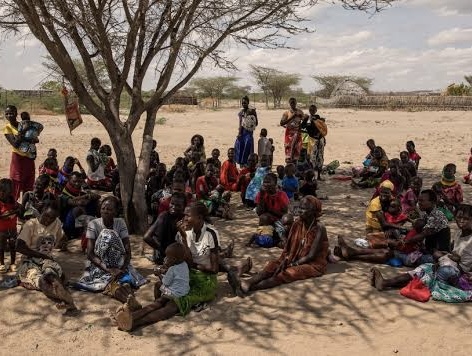
 Community members in area of Turkana county affected by drought.
Recurrent drought, resource-based conflict and weak use of early warning systems are increasing vulnerability among pastoralists in Kenya and Uganda’s Karamoja region, study shows.
The cross-border study shows that worsening drought could lead to increased conflict among pastoral communities in Turkana, West Pokot and areas along the Kenya–Uganda border.
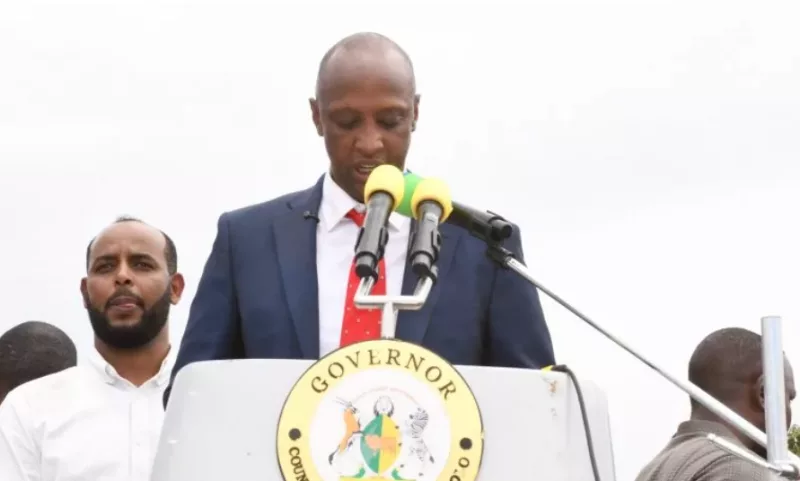
Turkana Deputy governor John Erus said the deteriorating drought situation is exposing residents to acute challenges that threaten livelihoods.
“We do not have adequate water, pasture and other resources needed to support harmony, peace and unity between communities,” Erus said.
According to the study, communities in Loima, Lokiriama and North Pokot in Kenya, as well as neighbouring areas of Amudat, Moroto and Napak in Uganda, remain highly exposed to climate stress and conflict-related shocks, with limited capacity to recover.
The study was commissioned by the Danish Refugee Council (DRC) to provide baseline data and vulnerability analysis to guide implementation of the Karamoja Strong programme. The survey gathered insights from 580 respondents across the six project areas.
The findings were presented and validated during a high-level workshop in Moroto attended by Erus, Moroto Resident District Commissioners, DRC country directors Simon Nzioka (Kenya) and Samuele Otim (Uganda), government officials and community representatives.
Erus said the findings reflect the daily realities facing pastoralist communities across the region.
“The study touches exactly on the priorities of local pastoralists, particularly the diminishing availability of water and pasture due to the increasing severity of drought. It clearly shows the link between livelihoods and conflict,” he said.
He added that Turkana county is pursuing private sector-led approaches to expand pasture and animal feed production by allocating large tracts of land for fodder cultivation. This is meant to complement efforts by development partners, including the Karamoja Strong programme.
Nzioka said the findings would play a critical role in shaping the programme’s direction.
“We now have a framework that will help us establish working committees to guide resilience-building against drought-induced shocks and stresses. The data clearly shows where we need to begin,” he said.
Otim emphasised that the study’s inclusion of social dimensions such as peace-building and early warning systems strengthens its relevance for cross-border planning.
“The data shows that vulnerability cuts across borders and, in many ways, unites the targeted communities. These findings give us an opportunity to design peace-building approaches that work and to strengthen platforms for cross-border coordination,” he said.
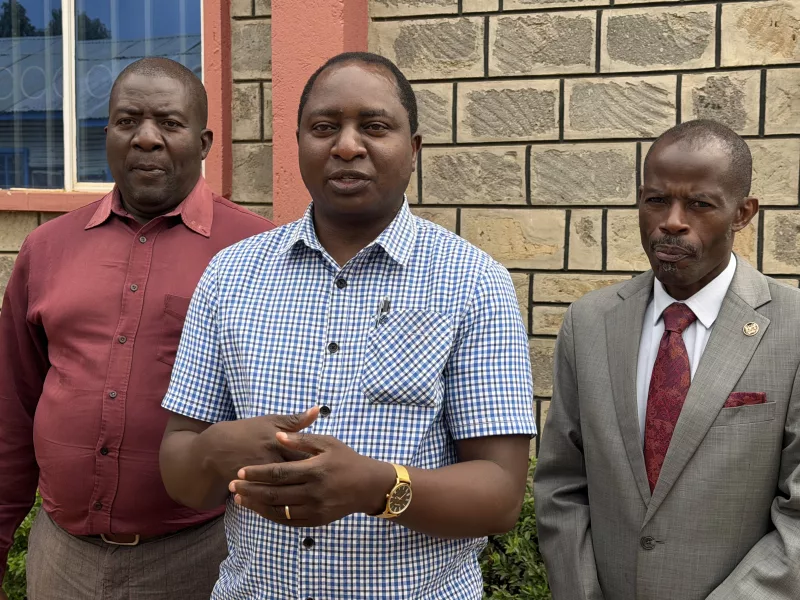
Researcher Cheruto Lelei said vulnerability levels differ across locations, underscoring the need for targeted interventions.
“The study shows resilience capacity remains very low, which calls for direct action to strengthen communities so they can respond effectively when climate- or conflict-related shocks occur,” she said.
The Karamoja Strong programme seeks to enhance community resilience by strengthening early warning systems, supporting sustainable livelihoods and promoting peace-building across borders.
As climate pressure intensifies and competition over natural resources grows, participants stressed that translating research into timely, coordinated action will be critical to safeguarding lives and livelihoods in the Karamoja area, one of the region’s most climate-sensitive corridors.