Many Kenyans, especially Gen Zs, would be surprised to learn that, except for 1968, Kenya has faithfully conducted general elections every five years since Independence.
And even the 1968 election was not postponed indefinitely. It was delayed by a year following the abolishment of the Senate and extension of the life of Parliament through a constitutional amendment. Besides, Kenya had just conducted “little elections” in 1966, the second multiparty election after the 1963 Independence elections.
Between 1969 and 1992, Kenya experimented with a ridiculous electoral system where one party – Kanu – competed against itself. There was stiff competition at civic and constituency levels but none at presidential level.
But it is the seven multiparty general elections conducted in Kenya between 1992 and 2022 that make for a very interesting body of knowledge on our electoral outcomes and democratic experience.
Our 34 years of experience with regular, free and fair general elections is not just plain history. It is a study in electoral patterning, electoral system designs, electoral governance, electoral geography and voting behaviour.
Very few African countries can hold a candle to Kenya in electoral experience. For all our twists and turns – scholars Duncan Okello and Prof Karuti Kanyinga described them as “tensions and reversals in democratic transitions” – we have never sunk to the low our neighbours and peers have.
Every Kenyan election cycle has churned out its own unique set of illuminating electoral jurisprudence. Civil society groups, among them the Institute for Education in Democracy (IED) and Electoral Observation Group (ELOG), have documented all this.
Ideally, this knowledge should form the basis for the next round of civic and voter education to the benefit of the next general election. The question to ask is, do we ever learn from our missteps? Do we take time to read post-election observation reports?
Beyond the euphoria of having the Supreme Court uphold or annul a presidential vote, do we read and implement Supreme Court pronouncements on election management?
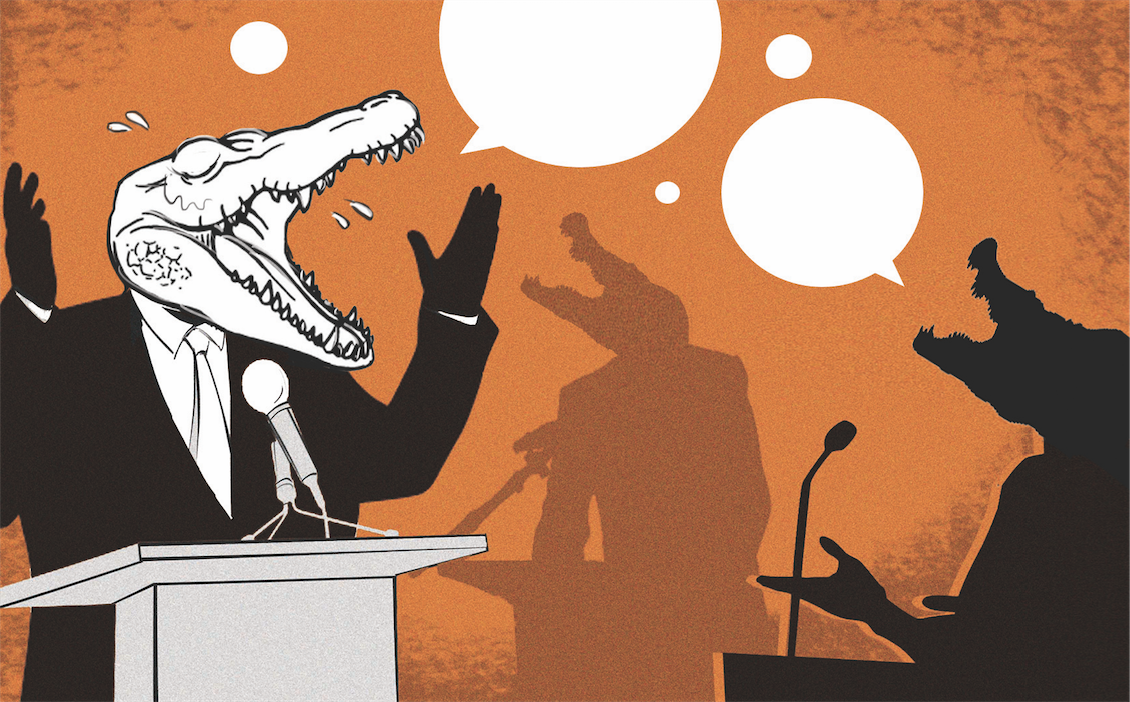
Among the many observations I have made, none has intrigued me more than voters’ peculiar obsession with protest voting. Since 1992, Kenyan voters have gotten themselves horrible deals by voting out leaders they dislike instead of voting in the leaders they like.
For instance, in 1992, Kanu failed to win a seat in Central Kenya’s 25 constituencies. All the region’s constituencies were shared between Kenneth Matiba’s Ford Asili and Mwai Kibaki’s Democratic Party. Ford Asili took to Parliament 14 members, DP 10 and one seat fell through to Jaramogi Odinga’s Ford Kenya.
So remarkable was the opposition fever in Central province that the then Kanu stalwart Joseph Kamotho made the now famous quote that “even a dog would have been elected into Parliament” in Central province so long as it wielded an opposition ticket.
In contrast, Kanu scooped virtually every seat that was available in Coast, 17 out of Coast’s 20, 36 of the 44 in Rift Valley, and eight of the 10 in Northeastern. Ford Kenya took with it 20 of Nyanza’s 29, but Kanu managed to slice seven.
In all these sweeps, good leaders lost to bad leaders, bad leaders lost to worse leaders and worse leaders lost to the worst. This pattern has repeated itself in 2002, 2007, 2013, 2017 and 2022.
Voters have been cutting off their noses to spite their faces. Rather than evaluate the available choices, they simply vote out the ones they do not want and care less who is coming in.
In this process, criminals have sneaked their way into political power and added to the confusion in the country. Kenyans then spend the period between elections bemoaning their new choices, only to make the same mistake again.
And the pattern goes on ad infinitum.
The only way to stop this madness is to undertake comprehensive voter education, which enhances a voter’s outlook and capacity for informed choices.
Voters must understand the double responsibility bestowed on them to vote out and vote in. They will then have to evenly spread out their wisdom between those two responsibilities.
Kenya craves quality leadership at every level of representation.
Musau, an advocate of the High Court, is a Senior Project Manager with the Friedrich Naumann Foundation and member of the Media Complaints Commission. The views expressed here are his own