
From Romance to Regulation: The Rise of Money Bouquets
Across Kenya, creatives and florists have been turning ordinary banknotes into something that looks more like a floral arrangement than money.
Known popularly on social media as money bouquets, these are essentially pieces of currency — often folded, rolled, stapled or pinned together — made to resemble roses or elaborate gifts.
Celebrities and influencers have helped push the trend, especially as Valentine’s Day approaches, fuelling demand and making “cash bouquets” into a must-have social media prop.
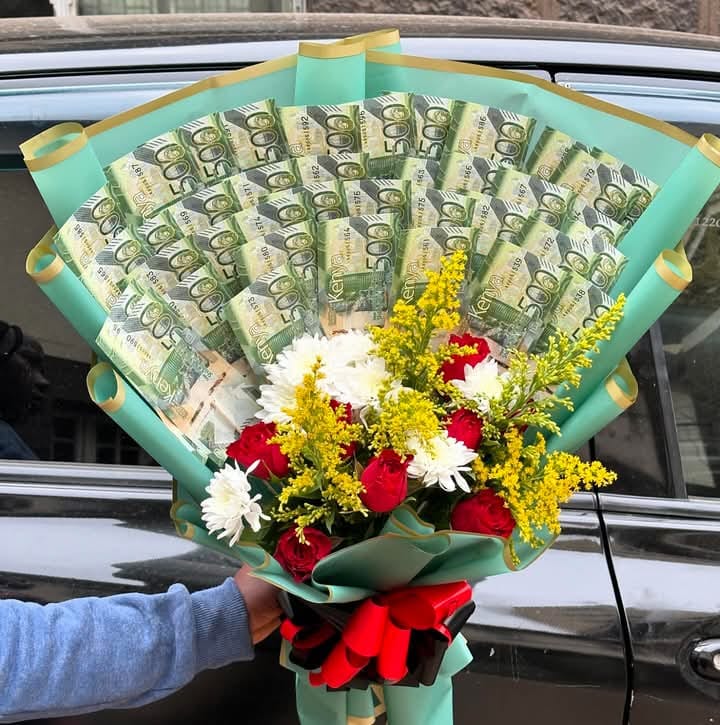
Some Kenyan businesses even market these bouquets as luxury gifts — a more showy alternative to traditional roses or chocolates.
But while they might look Instagram-worthy, the trend has a darker side that most people didn’t expect.
The Central Bank Sounds the Alarm
On February 2, 2026, the Central Bank of Kenya took the unusual step of warning the public against creating or using money bouquets and other decorative banknote displays.
ALSO READ: ‘Saved From Social Pressure’: Men’s Reactions as CBK Declares Money Bouquets Illegal
In a public notice, the CBK said that using adhesives, pins, staples, tape or glue to attach banknotes into bouquets damages the currency.
Here’s what the bank emphasized:
Damaged notes become unfit for use in everyday transactions.
ATMs and counting machines often reject notes with holes, glue or folds.
This forces the CBK to withdraw and destroy more notes sooner than expected, which is a cost to taxpayers.
Currency must stay in a condition fit to circulate freely and perform its basic functions as money — a medium of exchange, unit of account and store of value.
But the warning didn’t stop at just urging Kenyans to stop doing it. The CBK also reminded the public that tampering with banknotes can be a criminal offence.
Under Section 367 of the Penal Code (Cap 63, Laws of Kenya), it is illegal to willfully deface, mutilate, or impair currency, and offenders can face penalties — including potential imprisonment.
So, Where Does the U.S. Dollar Come In?
Amid all this focus on Kenyan shillings and their misuse, an interesting pattern has emerged.
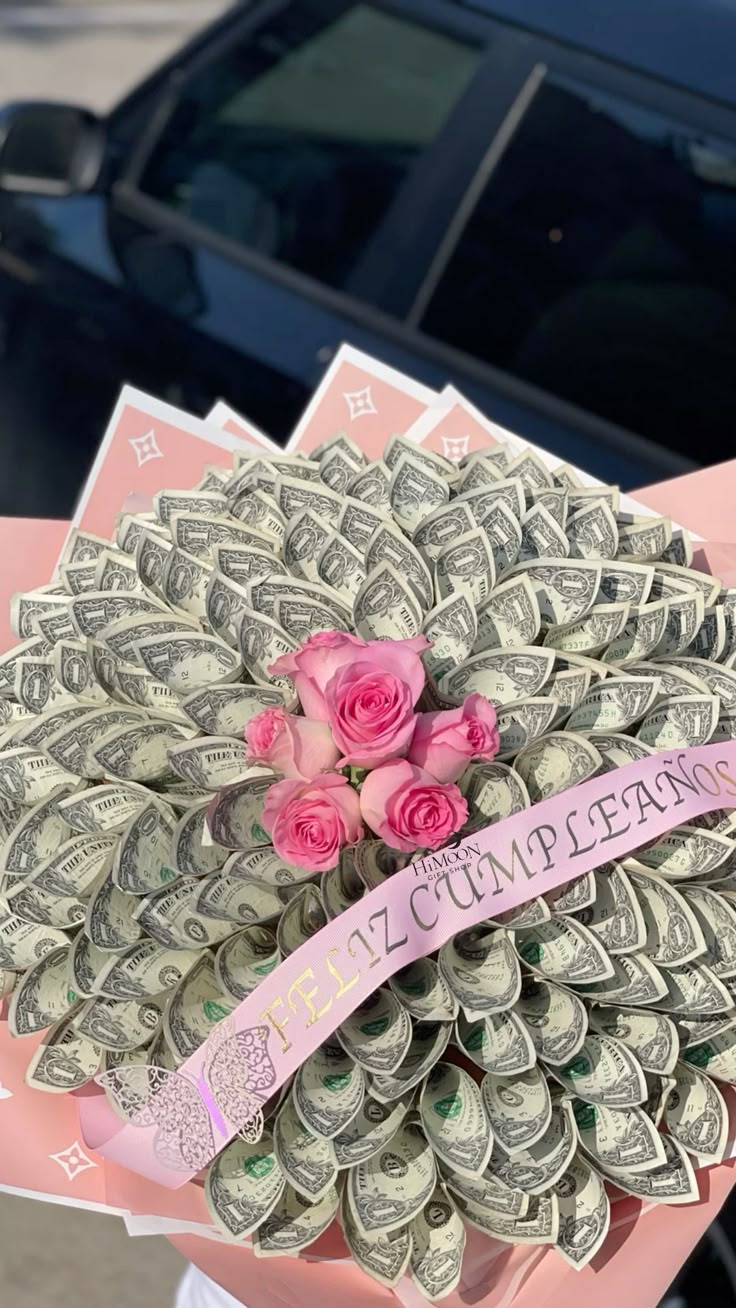
Some Kenyans are increasingly turning to the U.S. dollar (USD) not just for serious transactions but even as a novelty or protective choice for gifts.
With local currency under scrutiny, and trending online jokes about not damaging Shillings, many people have joked that “if you’re going to make a cash bouquet, might as well use USD.”
Whether it’s hedge behaviour amid inflation concerns or just a social media meme, demand for crisp US dollar notes — especially new bills — seems to be on the rise in social discussions and forex bureaus alike.
The idea of using foreign currency, especially USD, is symbolic: it’s seen as more durable, globally acceptable and less likely to land you in legal trouble.
Social Media Reactions: Love, Laughter and Legal Warnings
Across platforms like X, Reddit and Instagram, reactions to the CBK warning have run the gamut:
Some are relieved — calling it a perfect excuse to go “old-school” with rose bouquets.
Others find it hilarious, joking that they’ll still try to find a loophole or that creativity shouldn’t be criminalised.
And a few florists and small business owners are worried, saying money bouquets were a genuine income stream.
But the CBK stands firm: creativity shouldn’t come at the cost of the value or usability of Kenya’s currency.
As Valentine’s Day draws nearer, this trend is likely to remain a hot topic — sparking more debates about celebration, currency usage, and what true love actually costs.




Comments 0
Sign in to join the conversation
Sign In Create AccountNo comments yet. Be the first to share your thoughts!