
In Kenya’s vibrant sporting culture, football stands head‑and‑shoulders above most other disciplines.
From bustling urban estates to rural playing fields, football is the sport that dominates conversations, social spaces, media screens and weekend plans.
By contrast, boxing — though historically significant and respected — has a much smaller and more niche following.
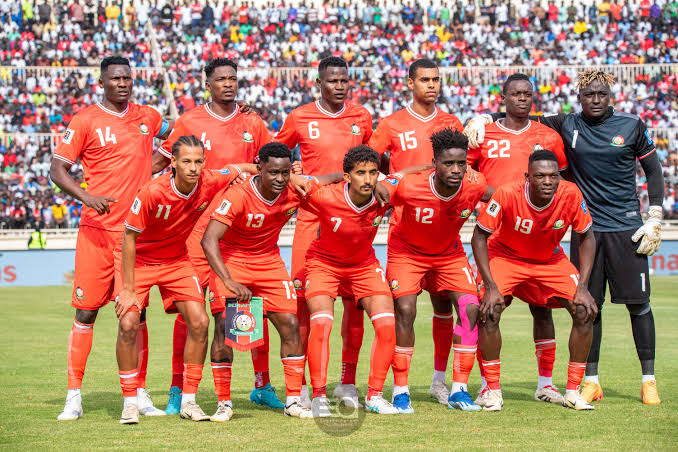
So why has football captured the hearts of millions more deeply than boxing?
Here’s a look at the key reasons behind this trend.
1. Football’s Broad Accessibility and Participation
Football is the easiest sport for Kenyans to play. All it needs is a ball and an open space — whether it’s a school ground, village field or roadside pitch.
This simplicity has helped embed football deeply into daily life and youth culture across the country.
Also Read: Cash, Fridges, Even Rent: Every Promise Made to Harambee Stars So Far
Children and young people grow up playing it informally long before they become fans of professional clubs.
Boxing, on the other hand, requires structured training, equipment and coaches.
Formal boxing rings, gloves and protective gear are not as widely available in communities, making it harder for people to take up the sport casually.
2. Community Identity and Mass Following
In Kenya, football has become a social glue. Rivalries between clubs like Gor Mahia and AFC Leopards aren’t just about the sport — they reflect deep community allegiances and local pride that spread across generations.
Millions support these teams, and gatherings to watch matches are community events in themselves.

Boxing does produce national heroes, but it lacks the same pervasive club culture and fan communities. A boxer’s success is often seen as an individual achievement rather than part of a collective identity that people rally around week after week.
3. Media Exposure and Broadcast Reach
Football dominates Kenyan media. Major international competitions like the English Premier League are broadcast live on television and streamed widely, drawing consistent audiences across the country.
Kenyan broadcasters and digital platforms show games regularly, and highlight shows, live commentary and online clips keep fans engaged around the clock.
Boxing rarely receives the same level of mainstream coverage.
Major fights may be shown occasionally, but there is no regular broadcast schedule for domestic boxing events that reaches a broad audience.
4. The Role of Sports Betting and Economic Interest
Football’s popularity is also fuelled by Kenya’s thriving sports betting culture.
Betting companies heavily promote football matches, offering odds and in‑play markets that keep fans glued to screens and real‑time match updates.
This financial incentive to follow games intensifies engagement even among casual supporters who may not be hardcore fans of any particular club.
Boxing, while part of sports betting markets, does not offer the volume of weekly events or the same betting excitement as football’s crowded calendar.
5. Historical Momentum and Global Influence
Football was introduced to Kenya during the colonial era and quickly took root in schools and communities.
Over decades, it grew into the dominant sport, with strong traditions of school football, local leagues and international followings.
This early and sustained exposure laid the foundation for football’s widespread adoption.

Boxing had its golden eras too — Kenya produced Commonwealth champions and Olympic medalists in earlier decades — but the sport’s profile has not been sustained at a grassroots or professional level in recent years.
6. Social Experience and Fan Culture
Football matches — whether local derbies or international fixtures — are social events.
Fans gather in bars, homes, community centres and public viewing spots.
The shared experience of cheering goals or debating refereeing decisions builds a collective excitement that spreads through families and peer groups.
Boxing, with its episodic schedule and individual focus, does not generate the same regular social rhythm.
The Big Picture
Football’s popularity in Kenya isn’t just about numbers — it’s about identity, accessibility and shared experience.
It thrives because it’s everywhere: on dusty pitches, on TV screens, in online communities, and in the dreams of young players.
Boxing continues to matter and has historic achievements of its own, but it remains a sport with a more specialised audience.
For Kenya, football is more than a game — it’s a cultural heartbeat.






Comments 0
Sign in to join the conversation
Sign In Create AccountNo comments yet. Be the first to share your thoughts!