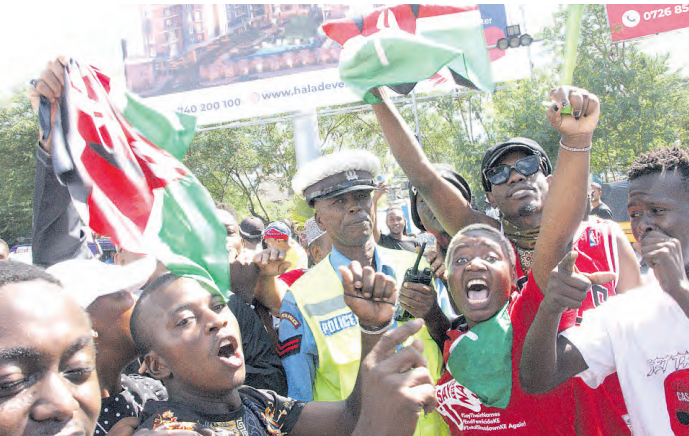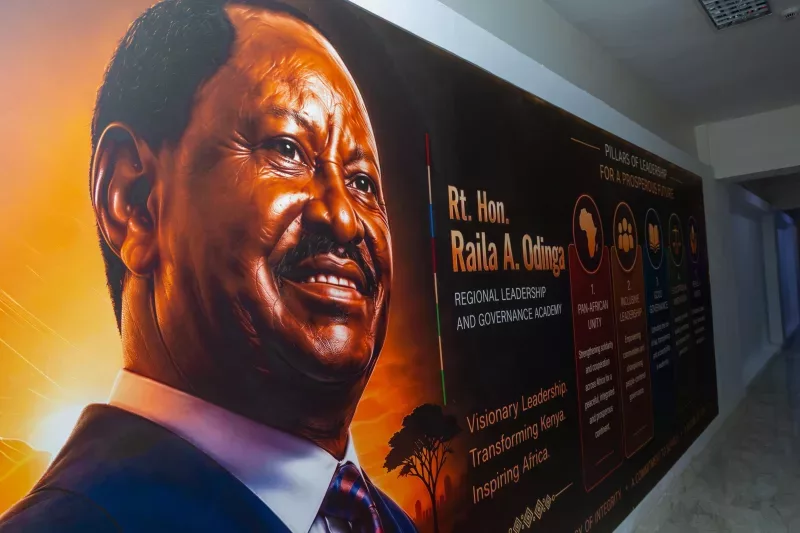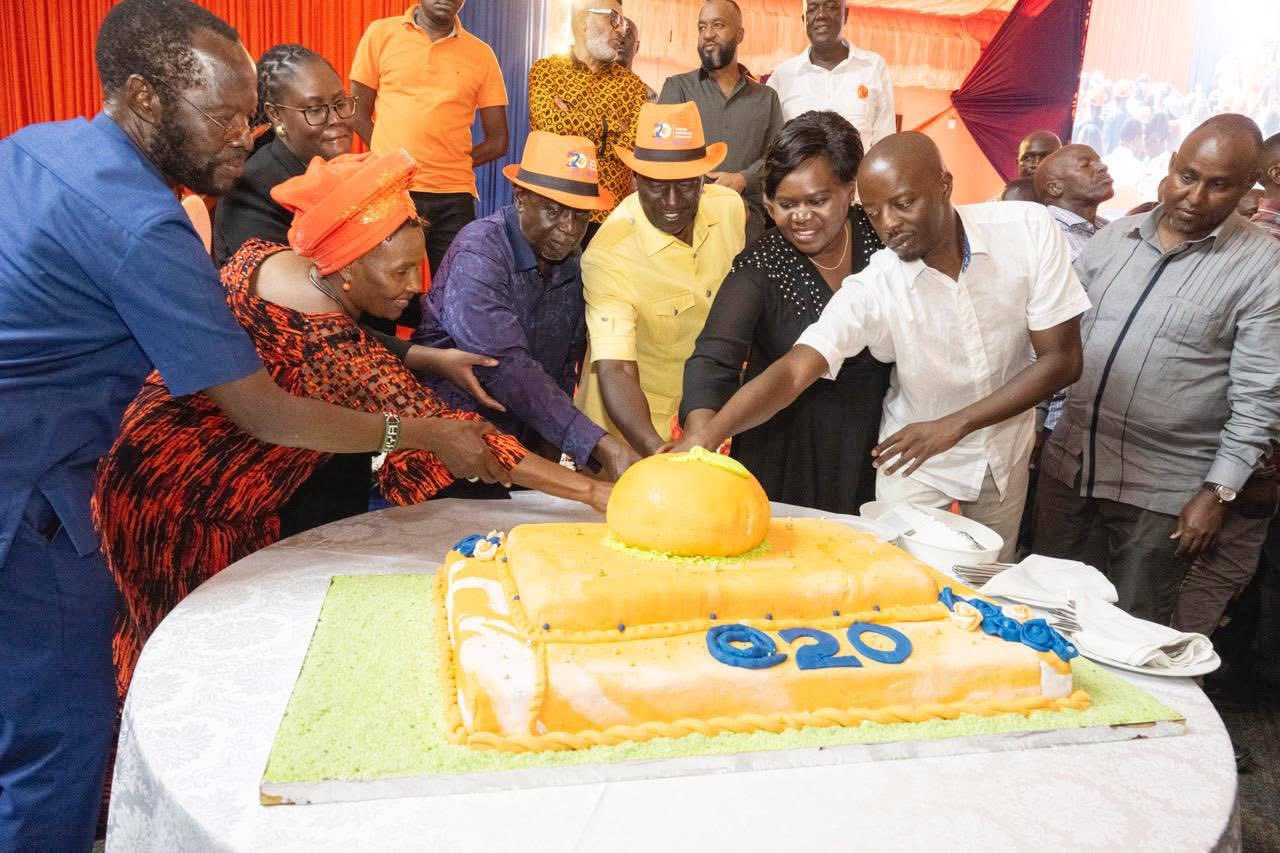
The death of Raila Odinga has left the Orange Democratic Movement Party staring into a mirror it had long avoided. The reflection is unsettling: a party without its integrative patriarch, fragmented into factions, each claiming custodianship of the ‘true’ ODM.
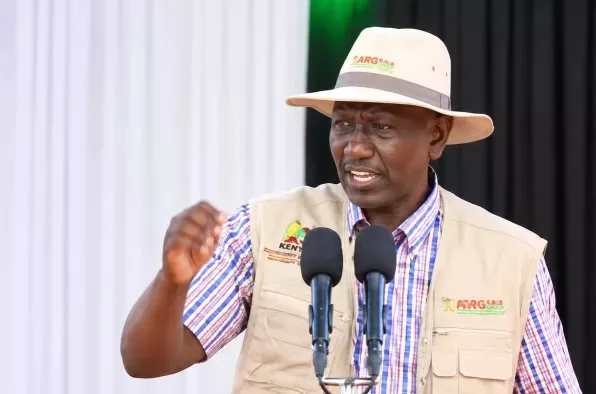
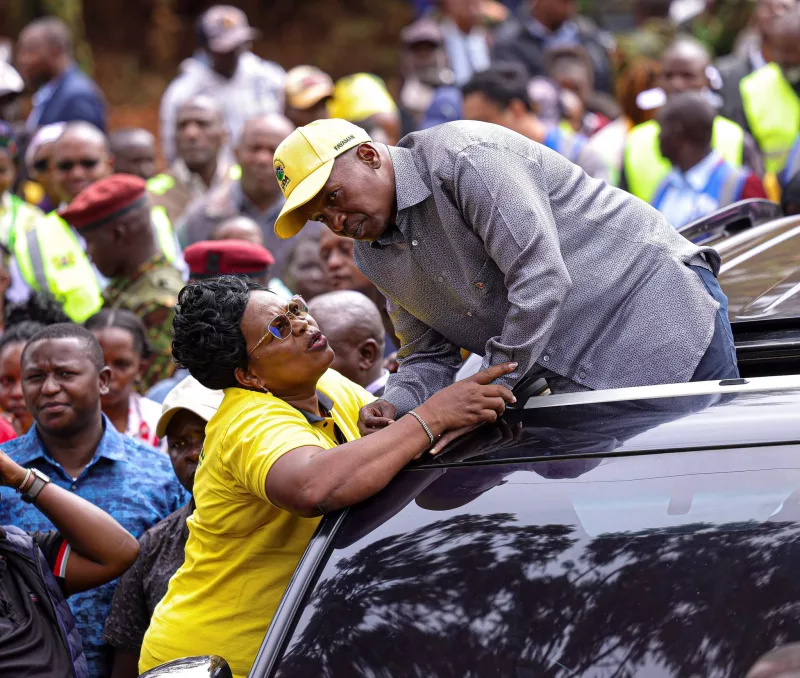
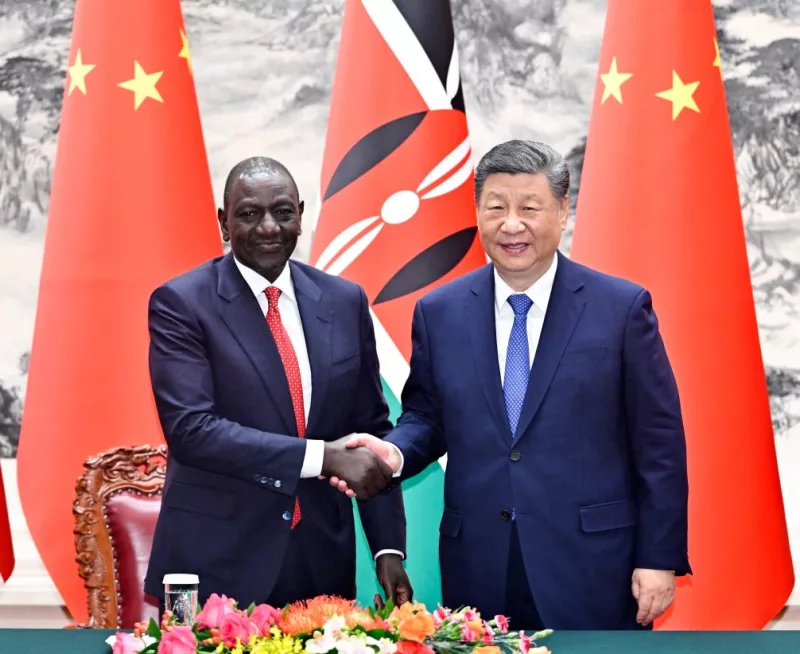
Some argue for accommodation with President William Ruto’s UDA in the name of stability; others insist on principled distance. Some rally behind interim chair Oburu Odinga; others see the future in the vocal secretary-general Edwin Sifuna, Babu Owino, Saboti MP Caleb Hamisi, Winnie Odinga,and a restless younger generation.
This is not merely a leadership contest. It is an identity crisis. The situation bears an eerie resemblance to the church in Corinth that prompted one of St Paul’s most enduring rebukes. “One says, ‘I belong to Paul,’ another, ‘I belong to Apollos,’ another, ‘I belong to Cephas.’ Is Christ divided?” Paul asked. Substitute names and the Corinthian quarrel reads like a live feed from Chungwa House. Wanachungwa, “Is Baba divided?”
Were St Paul to write to ODM today, he would not begin with condolences. He would begin with diagnosis. Paul’s first concern would be the emergence of personality cults. ODM’s internal debate increasingly sounds less like a contest of ideas and more like rival loyalty pledges. “I am with Oburu.” “I am with Sifuna.” “I am with the State.” For Paul, such divisions are not healthy pluralism: they are symptoms of a deeper disorder - when allegiance to individuals eclipses commitment to a shared mission.
Raila’s towering presence masked this fault line for years. His authority - earned through struggle, sacrifice and symbolism - held together a coalition that was ideologically broad and emotionally invested. With his passing, the glue is gone. What remains is a party tempted to confuse heirs with principles.
Paul would then pose the most uncomfortable question: why does ODM exist? Is it an instrument for social justice and constitutionalism, or merely a vehicle for access to power? In Corinth, eloquence and status threatened to overshadow the message of the Cross. In ODM, proximity to state power, coalition arithmetic and transactional politics threaten to replace the party’s founding ethos.
Unity with UDA may be defended as pragmatism; resistance may be framed as purity. Paul would cut through both rationalisations. Unity without truth, he would argue, is not reconciliation but capitulation. Opposition without purpose, equally, is vanity. The test is not whether ODM is in government or out of it, but whether it remains faithful to the ideals that gave it moral authority in the first place.
Paul understood institutions. He knew that when structures are weak, personalities rush in. ODM today lacks a universally accepted moral arbiter - someone whose word settles disputes not by force, but by legitimacy.
The result is improvisation: parallel centres of influence, contradictory signals to supporters and a party at risk of speaking in tongues without interpretation. This is dangerous terrain. Parties do not die only through electoral defeat; they die through internal incoherence.
St Paul was not anti-leadership. He was anti-idolatry. His advice to ODM would be sober and exacting.
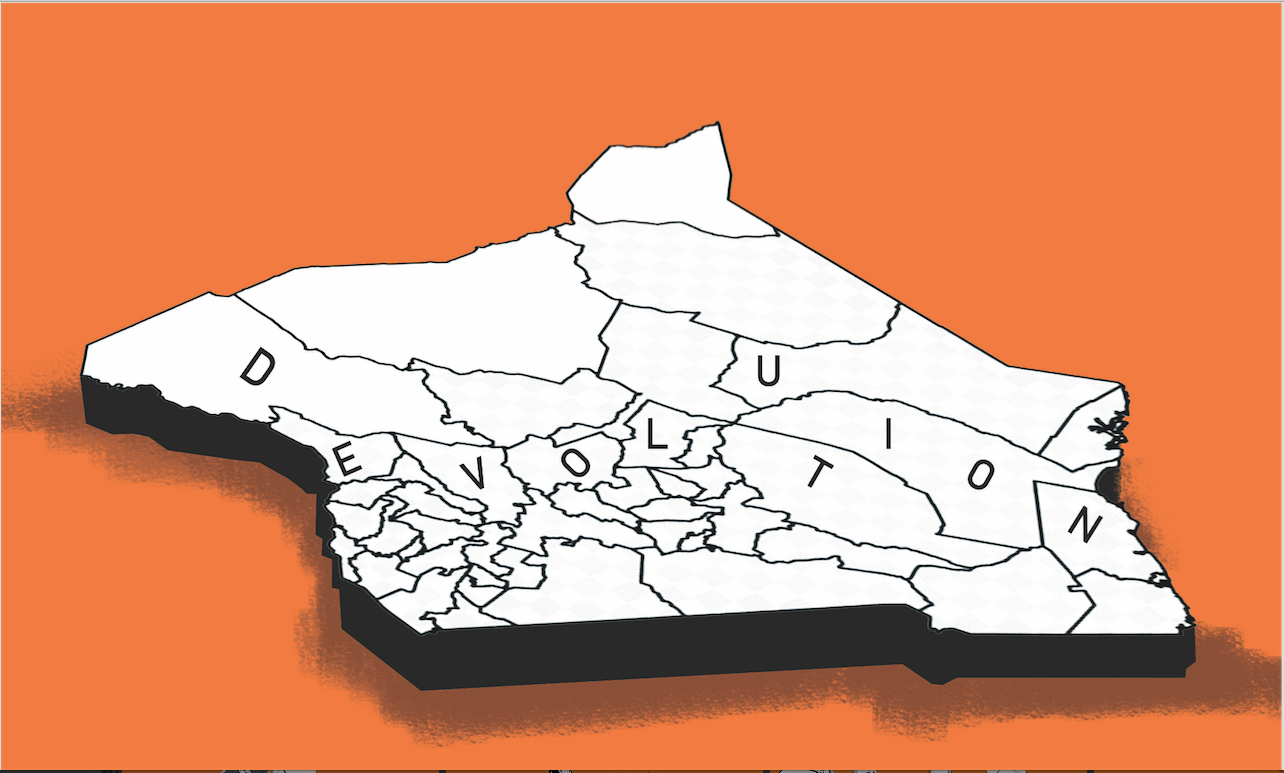
First, recover the founding calling. Before choosing leaders, ODM must re-articulate its creed - social justice, devolution, constitutionalism, dignity of the marginalised. Without this, leadership contests are merely musical chairs.
Second, separate person from office. Strengthen institutional rules, clarify interim authority and resist the temptation to baptise any individual as the new saviour. In Paul’s language, leaders are servants of the body, not the body itself.
Third, choose unity of purpose, not uniformity of opinion. Paul allowed disagreement but rejected sabotage. ODM must create spaces for structured dissent while disciplining factions that undermine the party to curry favour elsewhere.
Fourth, resist the lure of short-term gain. What is gained quickly through compromise is often lost slowly through irrelevance. A party that trades its prophetic voice for comfort risks becoming politically saltless - present, but tasteless.
Finally, cultivate collective leadership. Paul always named co-workers. ODM’s future will not be secured by a single towering figure, but by an ecosystem of leaders bound by shared values and clear processes of succession.
If St Paul were to end his letter to ODM, it might read thus: Is the party divided? Was Raila crucified for you? Hold fast, therefore, not to names, but to the cause for which you were formed. For a party that gains power but loses its soul has gained nothing at all.
ODM stands at a Corinthian moment. It can fracture into rival followings and fade into managed irrelevance, or it can do the harder work of rediscovering its centre. History suggests that parties, like churches, are remembered not for how fiercely they fought over leaders, but for how faithfully they served a cause.
ODM’s dilemma is not who will lead it, but what will anchor it. If ODM cannot decide whether it is a conscience or a convenience, it will slowly become neither. History is unforgiving to movements that mistake proximity to power for purpose.