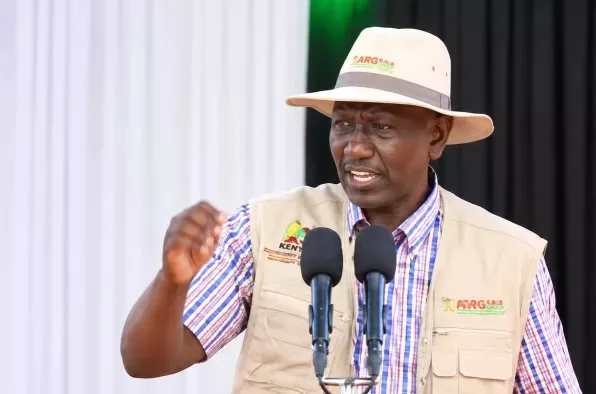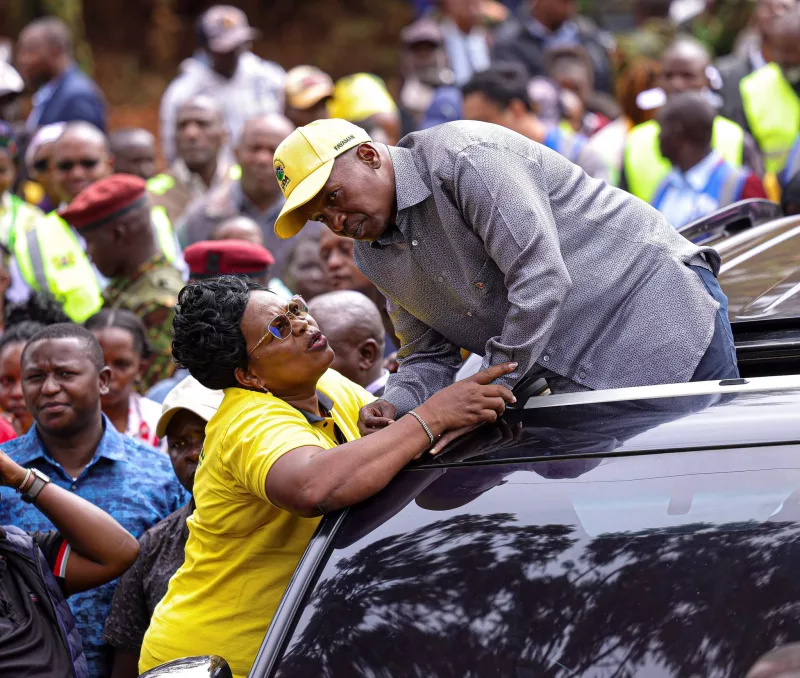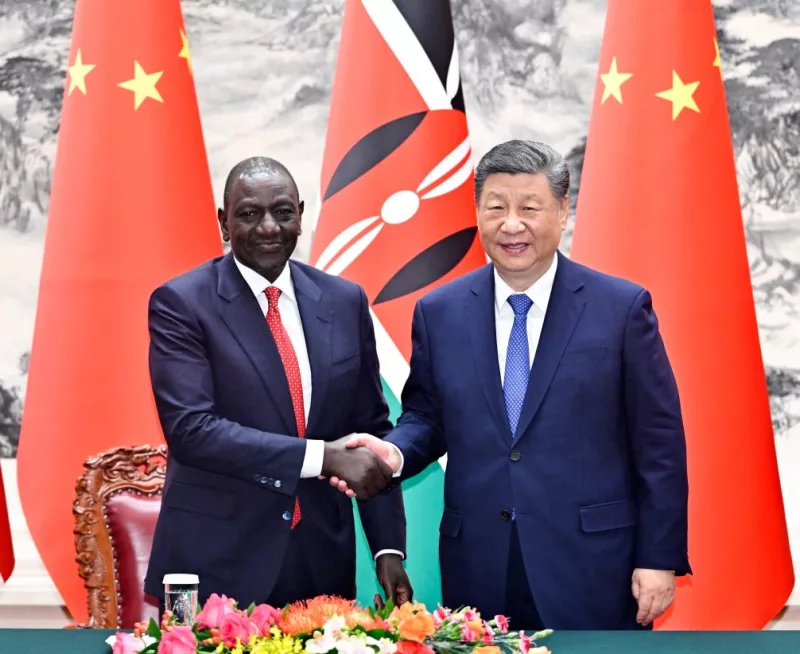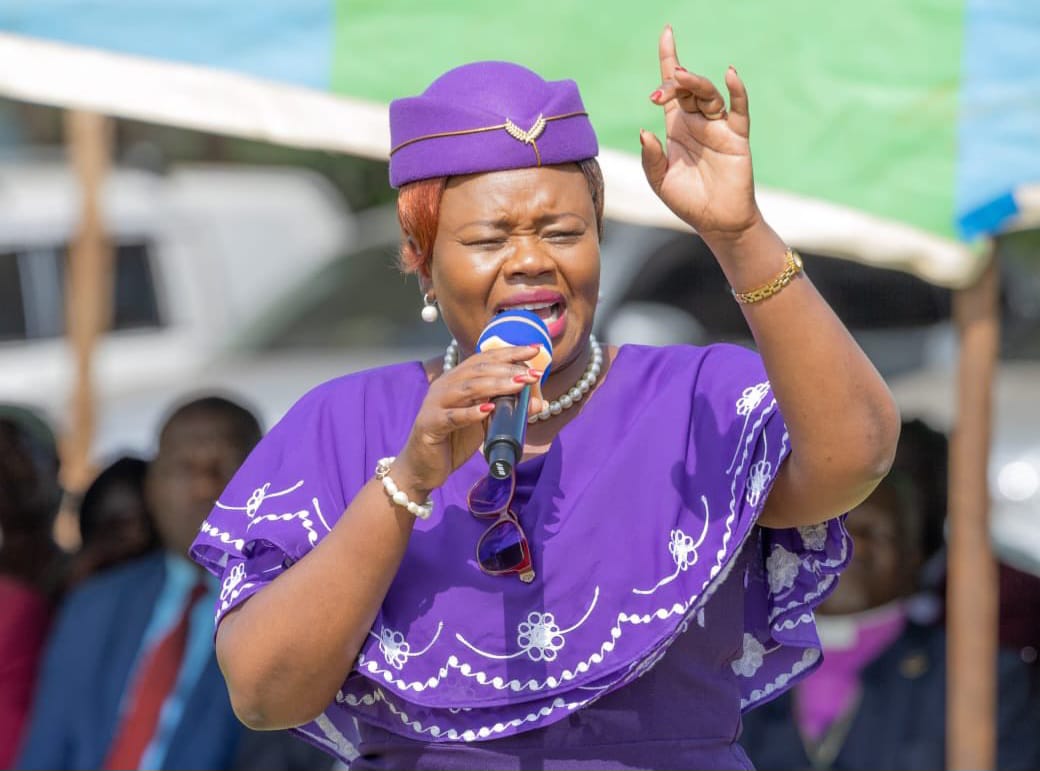
Githunguri MP Gathoni Wamuchomba surprised few with her sudden pivot to publicly embrace President William Ruto — a man she had only recently denounced with equal intensity as unfit to lead. Political reversals are not new. They are as old as democracy itself. But not all flip-flops are created equal.
There are rare moments when politicians evolve sincerely — when new facts, changing circumstances, or situations when genuine ideological reflection lead to a principled change of position.
There are also pragmatic shifts undertaken in the national interest, such as former ODM leader’s Raila Odinga’s handshake with former President Uhuru Kenyatta, which was widely seen and accepted as an attempt to stabilise a deeply polarised country.
What we are witnessing today, however, belongs to a third category: shameless, transactional politics driven not by conviction or public interest, but by a desire to eat and access state patronage for purely selfish purposes. Wamuchomba’s sudden praise of a leader she previously accused of corruption and misrule fits squarely in this category.
She is not alone. In the months ahead, we should expect more politicians — especially from the Mt Kenya region and beyond — to make similar pilgrimages to State House. The lure of short-term political survival, brown envelopes and self-aggrandisement is powerful.
State House understands this dynamic well. President Ruto is a seasoned student of street-level politics, having learnt first-hand from the professor of street politics himself.
He knows which leaders are ‘low-hanging fruit’ ¾ those whose loyalty is negotiable and whose principles come with a price tag. His political calculus does not require repeating the overwhelming Mt Kenya support he enjoyed in 2022. He only needs enough fragmentation to blunt a unified opposition.
Any serious strategy to defeat Ruto in 2027 must confront this reality head-on. Ignoring the State House playbook would be a fatal error. The opposition must anticipate defections, neutralise political mercenaries and design structures that reduce the impact of bought loyalty, especially in the Mt Kenya region.
A critical pillar of such a counterstrategy is the reconciliation between Uhuru and former Deputy President Rigathi Gachagua. A handshake between the two would significantly weaken Ruto’s grip on Mt Kenya politics. United, they would deprive State House of the regional crumbs it hopes to harvest — crumbs that would not be sufficient to rescue the President from political defeat.
This reunion would also strengthen the national opposition coalition. It would create momentum behind Fred Matiang’i’s candidacy and apply necessary pressure on Kalonzo Musyoka to abandon entitlement politics and accept the role of running mate.
A Matiang’i-Musyoka ticket, backed by a unified Mt Kenya and opposition alliance, would pose a formidable challenge and could very well send Ruto packing from State House the day after election.
Yes, there are those who hold the view that a Musyoka-Matiang’i ticket can also deliver the same victory, but this school of thought ignores the perils in the lineup, one being susceptibility to State House operative machinations that are likely to succeed compared to the other way around lineup. But that’s granular debate that can be had another time, the task at hand for the next many months is dealing with the flip-floppers and moles.
Political ‘moles’ — leaders whose loyalty is permanently for sale — must be managed with cold realism. Keep them close enough to monitor, but never close enough to trust. Do not feed them sensitive strategy.
Instead, restrict them to public information or carefully crafted narratives designed to confuse, demoralise, or misdirect the other side. The same must be done for these shameless, unprincipled flip-floppers or wannabes.
In sum, moles, opportunists and shameless, unprincipled flip-floppers will always exist in Kenyan politics. The question is not whether they will appear, but whether the opposition will be disciplined and strategic enough to neutralise their impact.
Finally, moles and flip-floppers aside, Kenya must confront the dangerous rise of political violence. It is only January 2026 and the country has already witnessed a shocking attack on worshippers at a place of prayer. Such acts cannot be normalised.
Those responsible must be held accountable without hesitation. Political competition must never be allowed to descend into bloodshed. Not now, not ever again.