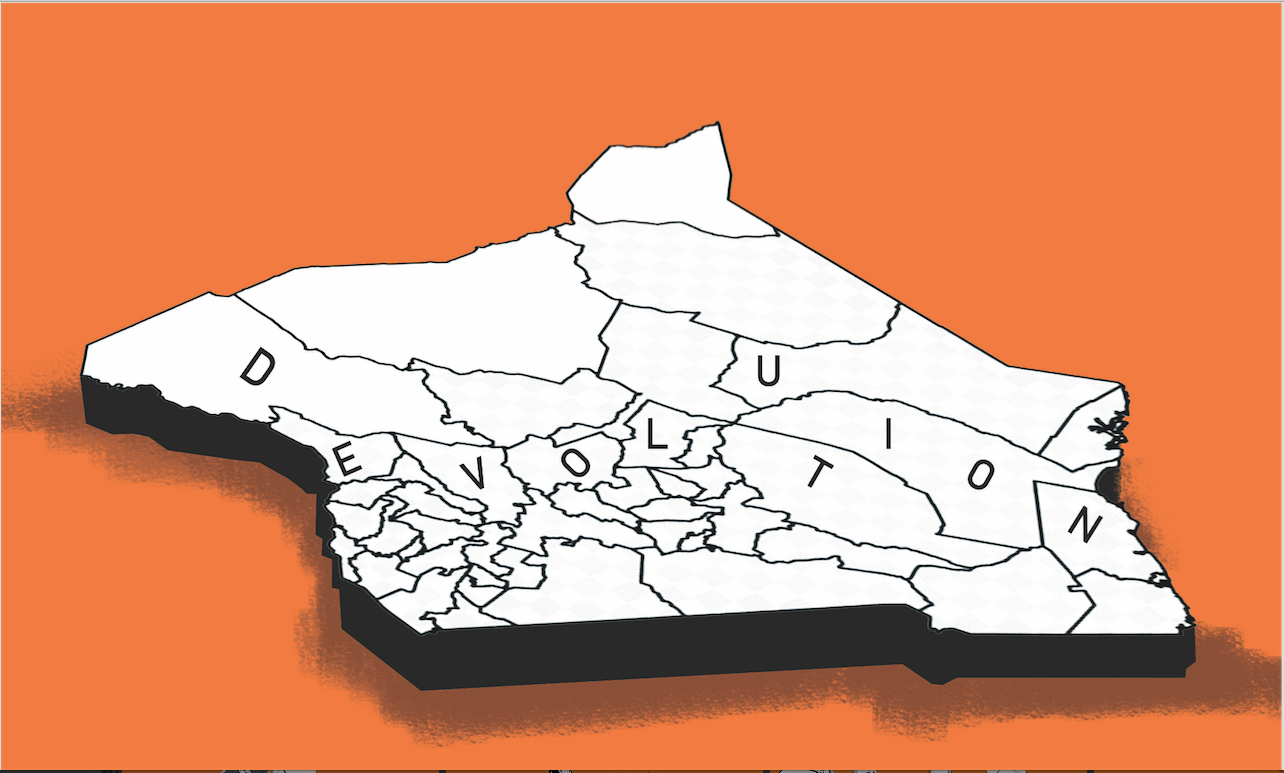
What I describe here as the Development Republic is not an established theory of governance, nor does it belong to any settled school of political economy.
It sits instead at the intersection of adjacent and overlapping ideas, drawing from the language of republicanism, which ties authority to the public good, and from development thinking, which locates legitimacy in delivery and productivity.
It is emerging quietly, in the spaces where expectation once dissolved into doubt, such as the various slums of Nairobi. It is not defined by slogans or speeches, but by accumulation, by the slow and persistent replacement of disbelief with experience and tangible delivery that all Kenyans can see.
Roads are lengthening, huge buildings rising, systems are beginning to functionand lives adjust subtly to new possibilities. Authority, in such a republic, is not asserted through spectacle but is being earned through continuity.
It is within this frame that Kenya’s
current moment must be understood, because the greatest challenge
confronting public life today is not division, but cynicism.
Cynicism is not scepticism, which questions power in the hope of improvement, nor is it dissent, which seeks correction. It is resignation masquerading as realism.
It is the quiet conviction that nothing emerging from government will matter, that every initiative is merely an announcement awaiting failure. Once cynicism takes hold, even genuine progress struggles to command attention, let alone belief.
Kenya has lived with this condition for years. Repeated cycles of ambition followed by uneven delivery have trained citizens to lower expectations. Development plans have often arrived clothed in eloquence but dissolved in execution.
The result has been a public mood that meets every new initiative with suspicion, every reform with premature dismissal. This is the atmosphere President William Ruto inherited, and it is the environment his administration has had to confront.
Cynicism cannot be argued away. It cannot be managed through messaging or persuasion. It yields only to reality. Development must become visible, persistent and ordinary enough to interrupt disbelief.
This is the animating logic behind Ruto administration’s emphasis on tangible economic and social interventions, and the reason its agenda has focused less on ideological contest and more on production, housing, infrastructure, credit and livelihoods.
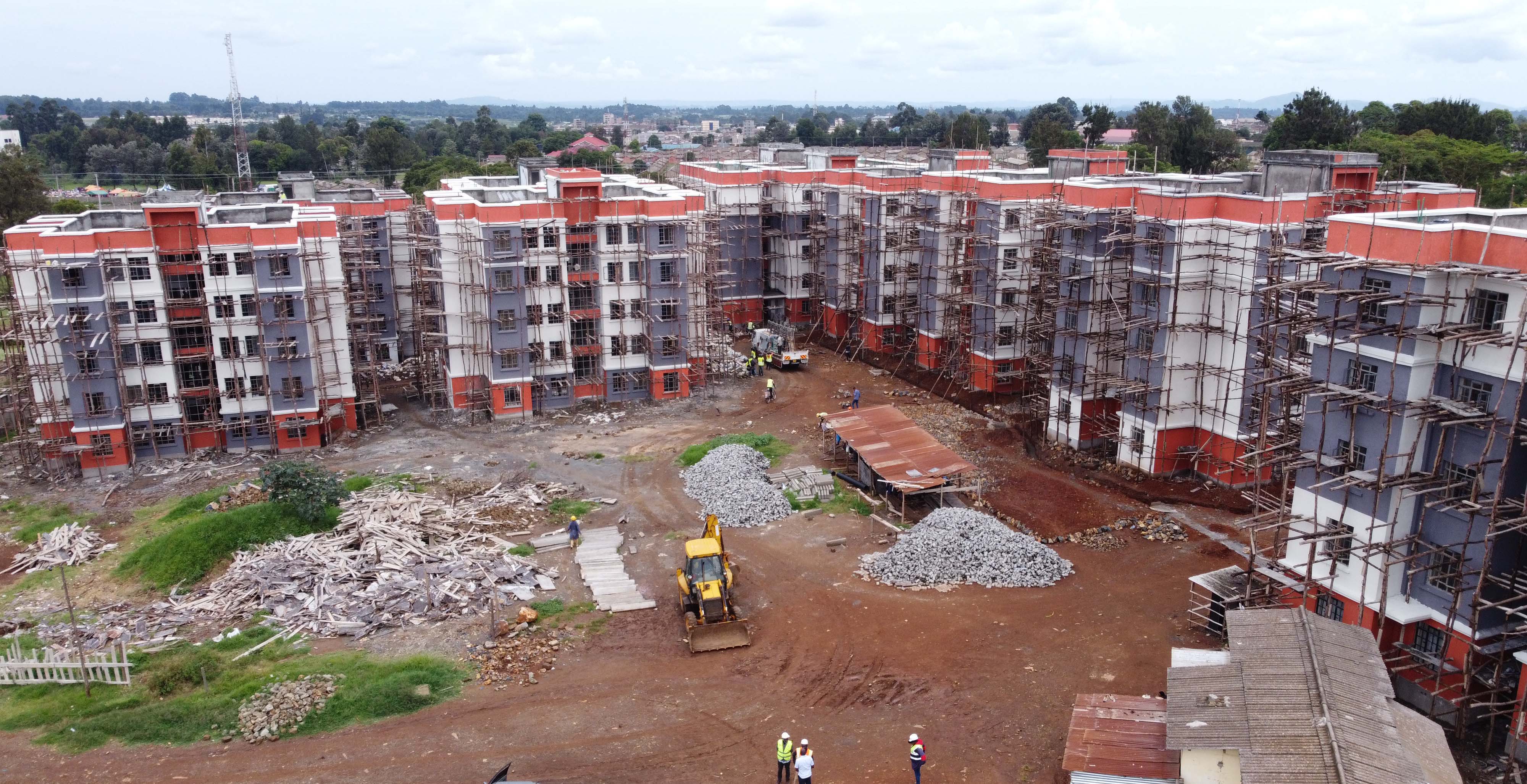
The affordable housing programme offers the clearest illustration of this approach. Housing in Kenya has long been both a social injustice and an economic constraint.
Rapid urbanisation, speculative land markets and stagnant incomes have locked millions out of decent accommodation. By pursuing large-scale housing developments across counties, the state has attempted to confront this deficit directly.
These projects are often debated politically, yet their deeper significance lies elsewhere. They function as employment engines, absorbing artisans, engineers, planners, suppliers and transporters.
They stimulate local economies, formalise labour and, over time, create pathways to asset ownership for working households historically excluded from property markets.
Infrastructure development has continued alongside housing, not as an abstract commitment but as an enabling framework for economic life. Roads reduce transport costs and expand access to markets.
Power connectivity extends productivity and draws investment. Urban renewal projects, including environmental rehabilitation, restore health, dignity and order to cities that have expanded faster than their planning regimes.
These interventions rarely dominate political conversation, yet they alter everyday experience in quiet but lasting ways. They are felt in shorter commuting times, greater business viability, and lower household expenses.
Economic inclusion has been another central pillar. For decades, access to affordable credit remained beyond the reach of many Kenyans, particularly those operating in the informal economy. By expanding low-cost digital lending and state-backed financial access, the government has sought to widen participation in economic life and reduce dependence on exploitative credit systems.
Debate continues about scale and sustainability, but the underlying principle is significant. Growth that excludes the majority breeds resentment and instability. Growth that broadens participation builds resilience.
Equally important has been the focus on skills, training and youth employment. Infrastructure without human capability produces limited returns. Programmes linking training, certification, apprenticeships and enterprise support recognise that development is not simply about physical assets, but about equipping citizens to participate meaningfully in production and innovation.
Agriculture, the backbone of livelihoods, has received renewed attention through fertiliser subsidies, irrigation planning and digital registration. These measures aim to stabilise food prices, raise productivity, and shield households from volatility.
When food systems function, inflation moderates, incomes stretch farther and social pressure eases. Few interventions are more quietly transformative.
A serious audit of this record must be honest. Not all targets have been met. Some projects remain incomplete. Others are still consolidating institutional capacity. Transparency and accountability remain essential if momentum is to be sustained.
Yet it would be equally dishonest to deny the visibility of ongoing work across sectors and regions. Housing estates rising from idle land, roads under construction, expanded power access and active economic programmes are not abstractions. They are physical facts.
What emerges is not a picture of perfection, but of intent reinforced by execution. Cynicism thrives where words outrun action. It weakens where action accumulates faster than disbelief.
The deeper benefit of this development-centred approach is not only economic. It is civic. When citizens begin to see continuity rather than interruption, trust slowly re-enters public life. Engagement replaces apathy. Scrutiny becomes constructive rather than dismissive.
A Development Republic is not one without criticism. It is one where criticism operates within a shared recognition that progress is possible. It is a state where institutions earn patience because they demonstrate effort, and where leadership understands that confidence cannot be demanded, only built.
Kenya’s greatest danger today is not disagreement or contestation. These are signs of a living society. The greater risk lies in surrendering to cynicism, in assuming failure in advance and in abandoning the slow, difficult work of building. By insisting on delivery, however uneven, the current administration is attempting to reverse that tide.
Development does not silence cynics overnight. But when it endures, when it reaches ordinary lives, and when it continues beyond announcement, it gradually restores belief. In that restoration lies the true promise of the Development Republic.