Decades after his passing, Afrobeat pioneer Fela Anikulapo Kuti is finally receiving one of global music’s highest honours. The legendary Nigerian musician will be posthumously awarded a Lifetime Achievement Award at the Grammy Awards, marking a historic first for an African artist in the category.
For millions across Africa and the diaspora, Fela’s influence has never been in doubt. Now, nearly 30 years after his death in 1997 at the age of 58, the Recording Academy has formally acknowledged his impact.
“Fela has been in the hearts of the people for such a long time,” his son, musician and activist Seun Kuti, said in an interview with the BBC. “Now the Grammys have acknowledged it, and it’s a double victory. It’s bringing balance to a Fela story.”
Long-time friend and former manager Rikki Stein echoed the sentiment, describing the recognition as overdue. “Better late than never,” he said, noting that Africa’s contributions to global music had historically been overlooked, though that narrative is slowly changing.
The honour comes at a time when African music is enjoying unprecedented global visibility. In 2024, the Grammys introduced the Best African Music Performance category, inspired in part by the worldwide success of Afrobeats — a genre rooted in the sound Fela created. This year, Nigerian superstar Burna Boy is also nominated for Best Global Music Album.
Established in 1963, the Grammy Lifetime Achievement Award has previously been presented to icons such as Bing Crosby. This year’s recipients also include Carlos Santana, Chaka Khan, and Paul Simon, placing Fela among a rare group of musical trailblazers. Members of his family, friends, and longtime collaborators will attend the ceremony to receive the award on his behalf.
Stein says it would be impossible to separate Fela’s music from his politics. “He championed people who had drawn life’s short straw,” he said, adding that Fela fearlessly confronted corruption, injustice, and state violence through his art.
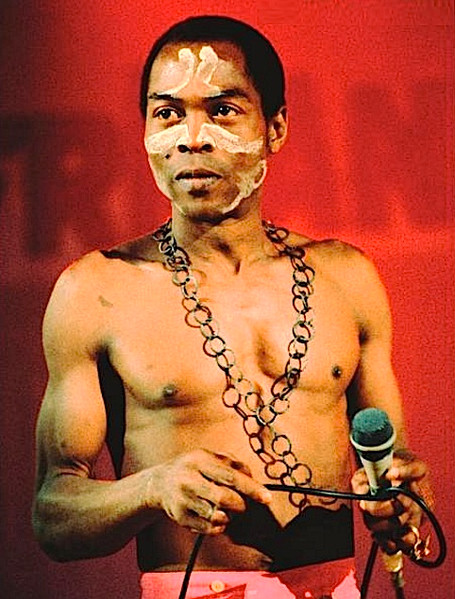
More than a musician, Fela was a cultural theorist, political agitator, and the undisputed architect of Afrobeat — a genre distinct from modern Afrobeats, yet foundational to its existence. Alongside drummer Tony Allen, he fused West African rhythms with jazz, funk, highlife, call-and-response vocals, extended improvisation, and sharply political lyrics.

Across a career spanning three decades, Fela released over 50 albums, building a body of work that merged rhythm with resistance and performance with protest. His defiance repeatedly put him at odds with Nigeria’s military governments.
In 1977, following the release of his scathing album Zombie, his Lagos commune, Kalakuta Republic, was raided by soldiers. The compound was burned, residents were assaulted, and his mother, activist Funmilayo Ransome-Kuti, later died from injuries sustained during the attack. In response, Fela transformed grief into protest, famously carrying his mother’s coffin to government offices and releasing Coffin for Head of State.
Fela’s ideology blended pan-Africanism, anti-imperialism, and African-rooted socialism. Influenced by his mother and American activist Sandra Izsadore, he rejected Western identity markers, dropping “Ransome” from his name. In 1978, he further challenged social norms by marrying 27 women in a single ceremony, many of whom were integral to the Kalakuta Republic’s communal and cultural vision.
Despite repeated arrests, beatings, censorship, and constant surveillance, Fela never retreated. “He wasn’t doing what he was doing to win awards,” Stein said. “He was interested in liberation. Freeing the mind.”
Musically, Fela’s sound was shaped not only by Nigeria but also by Ghana, where highlife legends like E.T. Mensah, Ebo Taylor, and Pat Thomas left a lasting imprint on his early work. The influence of highlife’s horn arrangements, guitar melodies, and dance rhythms remains deeply embedded in Afrobeat’s DNA.
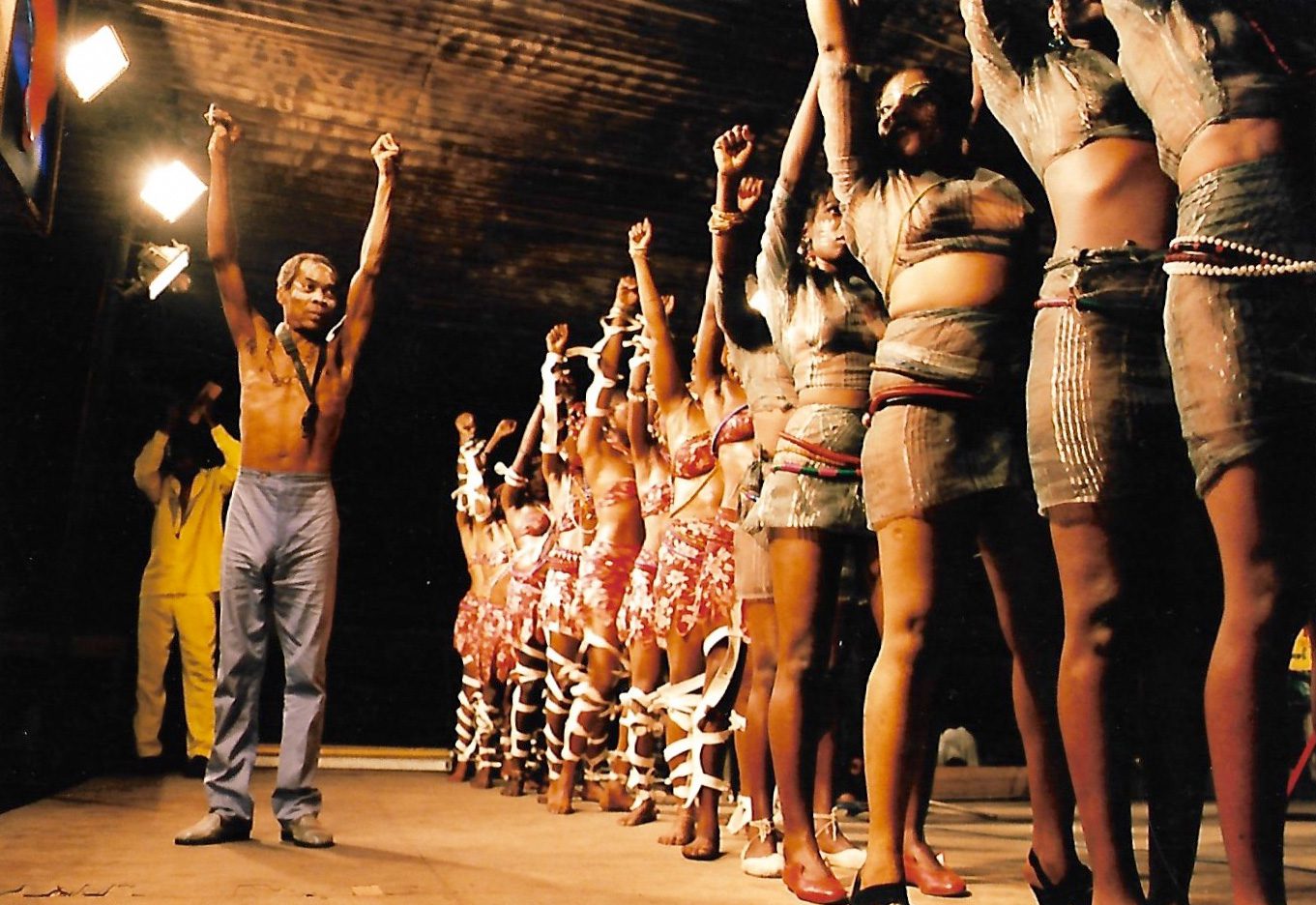
On stage, Fela was unmistakable — saxophone in hand, hair sculpted into a proud Afro, commanding a band of over 20 musicians. His performances at the Afrika Shrine in Lagos were immersive experiences, blurring the line between artist and audience.
“When Fela played, nobody applauded,” Stein recalled. “The audience wasn’t separate. They were part of it.”
For Fela Kuti, music was never just entertainment. It was communion, confrontation, and a lifelong call to consciousness.