Why do people follow?
Not out of love, usually. Not out of agreement, necessarily. The reasons are simpler than we like to admit: because a leader is useful to them, because a leader threatens them, or because they see no alternative.
The distinction matters enormously. Each foundation produces a different quality of allegiance, and a different trajectory of decline.
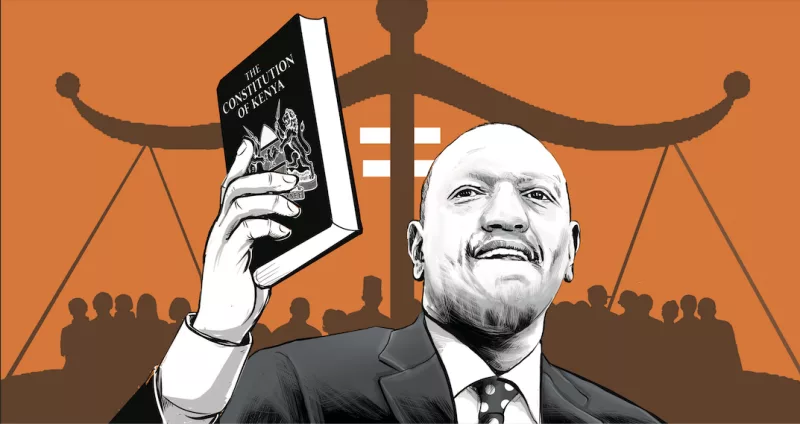
Consider first, the "useful" model. When a leader or institution genuinely improves people's lives, when taxes translate into functioning hospitals, when promises yield actual jobs, when the social contract delivers tangible returns, something remarkable happens. Citizens become stakeholders.
They defend the system even when imperfect, because they have something to lose. Political competition becomes about who can deliver more, not who can destroy whom. Institutions strengthen because they are the vehicle for delivering benefits. This is sustainable influence. It compounds over time.
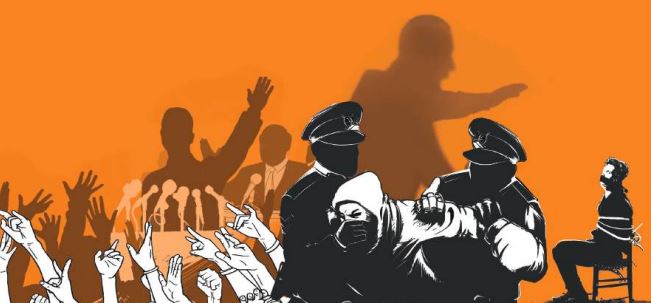
The "threatening" model operates on different logic. Here, compliance comes from fear: arrest, economic ruin, violence. It can be effective in the short term. Authoritarian regimes have survived decades on coercion alone. But this approach carries inherent instabilities.
It requires constant expenditure of energy to maintain. It breeds resentment that accumulates like pressure in a sealed vessel.
And, crucially, it fails the moment people conclude they have nothing left to lose. A generation facing unemployment, unaffordable housing and no stake in the system cannot be frightened into compliance. Fear requires belief in consequences, and those who see no future anyway make poor subjects for intimidation.
Then there is the "no alternative" model, perhaps the most corrosive of all. Here, leaders maintain power not by being useful or even feared, but by eliminating every other option. Co-opt the opposition into government so the discontented have no one to vote for.
Fragment potential challengers so grievances find no political vehicle. Capture institutions so even the mechanisms for change seem blocked.
Exhaust the population through cycles of hope and betrayal until cynicism replaces aspiration. "They are all the same" becomes the refrain, and incumbents benefit from the resignation.
This third model appears stable but is inherently temporary. It relies on sustained suppression of alternatives, which requires constant energy and eventually fails.
It depends on continued fragmentation of opposition, but grievances eventually find or create vehicles. It assumes public resignation will persist, but resignation can transform into rage with a single catalyst.
And it requires economic non-collapse, because people tolerate bad governance when they can still eat. When they cannot, all calculations change.
History is instructive here. The British Empire at its zenith understood that usefulness, not just force, sustained colonial control: railways, courts and administrative systems that local elites could participate in.
When that usefulness narrowed to extraction alone, when the Raj could no longer credibly promise progress, the end came faster than anyone in London anticipated.
The Soviet Union followed a similar arc. It had ceased to deliver rising living standards, the usefulness that once justified the system's constraints. What remained was threat: Hungary 1956, Czechoslovakia 1968, the internal apparatus of surveillance and punishment.
But in Afghanistan, the threats had lost their power. A generation that had stopped believing in the future stopped fearing consequences. The end, when it came, surprised everyone except those who understood that coercion is expensive and unsustainable in ways that usefulness is not.
Closer to home, we might reflect on our own trajectory. Kenya's most stable political moments came when citizens perceived tangible returns from the social contract: the early Independence period with its genuine nation-building energy, the growth years that created expanding opportunity and devolution's initial promise of resources flowing to counties. These were periods of "useful" governance, however imperfect.
The shift toward "threatening" was visible in 2024. The response to youthful protests deployed tear gas and worse. Social media restrictions were attempted.
Abductions followed, with young people taken from their homes, some returned, some not, none explained. The message about the cost of dissent was unmistakable.
But this approach encountered its natural limit: a generation with diminished stakes in the system, networked horizontally rather than vertically, desensitised to fear and visible enough internationally to make excessive brutality costly.
What remains, then, is the "no alternative" configuration. The broad-based government that absorbed opposition figures was not primarily about unity; it was about eliminating choice.
If your opponents are eating at your table, who will the discontented vote for? Defenders of this arrangement argue that it prevented the violence that has followed previous contested elections, that manufactured stability, whatever its origins, still delivers peace.
This is not an argument to dismiss lightly in a region where post-election bloodshed remains within living memory. But stability purchased through the elimination of choice is borrowed, not earned. It suppresses conflict rather than resolving it and the debt eventually comes due.
Add institutional capture, opposition fragmentation and the exhaustion of a population that has weathered too many cycles of promise and disappointment, and you have a system sustained not by legitimacy but by the absence of options.
Yet history suggests this equilibrium cannot hold indefinitely. The events of June 2024 demonstrated that alternatives need not emerge from traditional political structures.
They can crystallise from networks, from shared generational experience, from moments that focus diffuse anger into coordinated action. The "no alternative" model works until, suddenly, an alternative appears.
What would a return to "useful" require? The list is familiar: tax reform that delivers visible services, job creation, healthcare that does not require harambees, housing that young people can afford, anti-corruption action with actual consequences. None of this is technically impossible. Kenya has the human capital, the entrepreneurial energy, the regional positioning. The obstacle is not capacity but political economy.
Usefulness requires investment; the current system rewards extraction. Usefulness requires patience; electoral cycles reward short-term gestures. Usefulness creates stakeholders who might one day demand accountability; extraction prefers subjects who remain dependent. The reforms are blocked not because they are difficult but because they would change who benefits.
Leaders respond to incentives, and the current incentive structure rewards extraction over investment, short-term survival over long-term legitimacy.
Expecting a voluntary shift toward usefulness is probably naive. But the framework that explains why people follow also explains when they stop. And that knowledge belongs to citizens, not only to those who govern them.
The question for any leader, in Nairobi or anywhere power is exercised, is simple: which foundation are you building on? But perhaps the more important question belongs to the rest of us: how long are we willing to wait at a table where we are no longer fed?
Surgeon, writer and advocate of healthcare reform and leadership in Africa