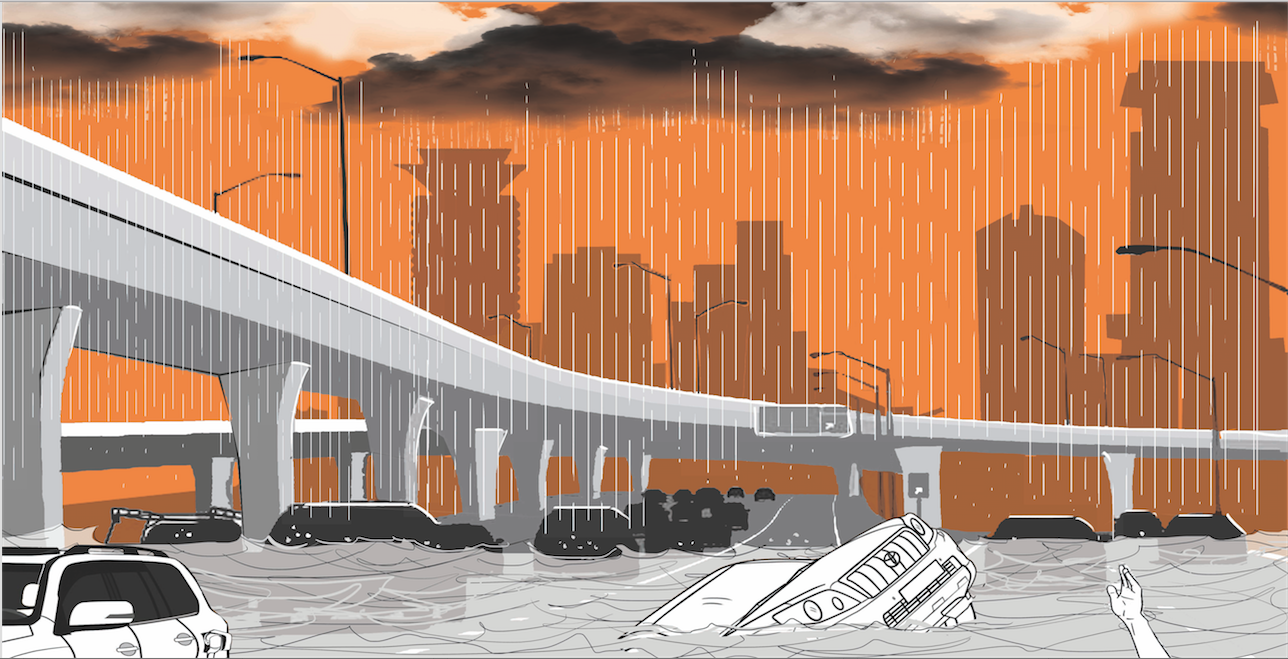
When it rained this week, Nairobi was turned into a flood zone. A city that is supposed to be the gateway to Africa was engulfed in floods. Dozens of people, especially in slums and lower-middle-class estates, were affected. That’s a failure of leadership by Governor Johnson Sakaja.
Nairobi was planned for 500,000 people, but it now accommodates over 4 million people. The infrastructure in Nairobi is simply overstretched. We need a grand master plan for Nairobi. Part of it has to start with fixing the drainage systems in the county. Is that too hard of an issue to solve?
As it currently stands, there isn’t proper waste collection. Waste has clogged the drainage and sewerage systems. There are buildings on riparian lands, lands that were supposed to be riverbeds have high-rise buildings on them. Who approves the buildings on riparian lands?
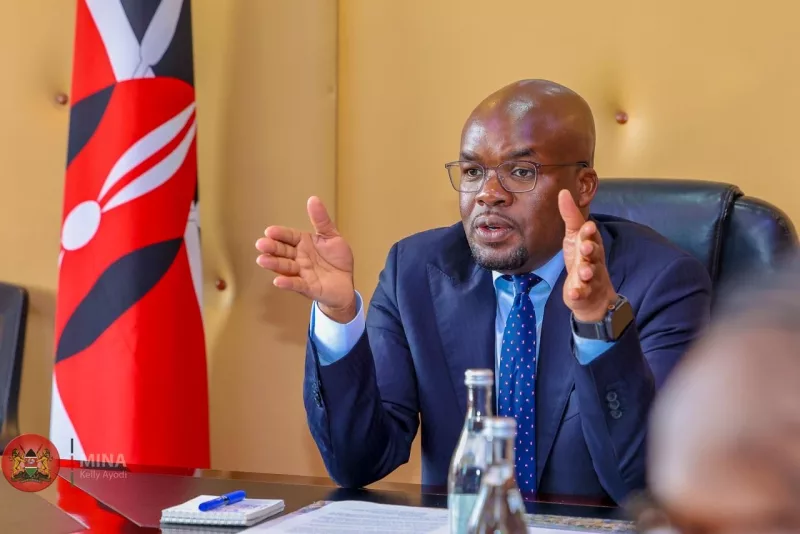
The county engineers and architects are supposed to be competent people who approve buildings according to plans, but no, they take bribes and endanger the lives of the common people. Sakaja says the cooperation between the county government and the national government will start with fixing the drainage systems of the county.
Nairobi is not just any other county. It is the political, economic and cultural headquarters of Kenya. It has 50 per cent of the country’s GDP. And then it is home to UNEP, the only UN agency in a Third World country. France has long wanted the UNEP headquarters to shift to France and with the constant Nairobi flooding, it will get more ammunition.
The UN wants to move some of its operations to Nairobi to cut costs but with the flooding in Nairobi and poor planning, they might think twice about that move. With such countries as the United States limiting their budget to the UN, the UN wants to cut costs and cities such as Nairobi could aid in that.
In an interview with a local media house, Sakaja said he practices modern management systems that are used in such companies as Apple. He said he has devolved management to at least 12 regions to bring services closer to the people. But then, what are these services he is giving Nairobians?
If Nairobi wants to be the gateway to Africa, then it has to up its game. It is nowhere near Johannesburg in infrastructure. Johannesburg is part of the larger Gauteng province, which contributes at least 30 per cent to the GDP of South Africa, and 10 per cent of Africa’s GDP.
Nairobi needs more of a CEO manager than a politician. It needs to be run like a business, in the same way that Kigali is managed. Nairobi was once the cleanest city in Africa, but that’s no more. There is litter everywhere.
When you manage Nairobi like a business, then appeasing the peasants will not cut it. Evans Kidero, the first governor of Nairobi, tried to run Nairobi like a business, but he was not emotionally connected to the citizenry.
And that’s why Sonko fought him so hard. Sonko was a people pleaser who did not take aspects of modern management into the running of the city. He eventually had to give up the running of the city to Nairobi Metropolitan Services (NMS), and Sakaja seems to be doing that as well.
Throughout the world, managing a big city is a moulding ground for a national political office. Boris Johnson, as London mayor, eventually became the UK prime minister. The mayor of Shanghai, China’s financial capital, was elevated to a national role by President Xi Jinping.
Sakaja looked more like a national figure and would have been president a few decades down the line, but he’s now damaged goods. The same could befall Babu Owino if he fails to perform as the governor of Nairobi, should he get elected.
Nairobi needs to float an infrastructure bond to fix its infrastructure challenges. We need a first-class electric train to connect the Nairobi estates, much like the Tube of London. There needs to be waste collection, tap water in every home, street lighting, affordable housing, and business premises at affordable rates.
We have not scratched the surface of the potential of Nairobi yet. This place that the Maasai referred to as the place of cool waters is really punching below its weight.
Author of ‘The 1% Continent: How Africa Can Rise Up’