Social media personality Bravin Yuri has criticised what he described as a growing “copy-paste culture” in Kenya’s creative and digital space, saying the trend is exhausting and limiting originality.
The Rise of the 'Carbon Copy'
Read Also
Speaking in a recent online discussion, Yuri noted that many creators are recycling the same ideas, formats, and scripts instead of developing their own original concepts.
Enjoying this article?
Subscribe for unlimited access to premium sports coverage.
View Plans
He argued that this approach has led to overcrowded timelines filled with similar content, making it difficult for original voices to stand out.
Yuri noted that trends now move quickly from one creator to another, often with little or no modification. He said the practice may bring short-term visibility but does not help creatives build lasting brands or distinct identities.
According to him, the pressure to chase viral moments has pushed many young creators to prioritise imitation over innovation.
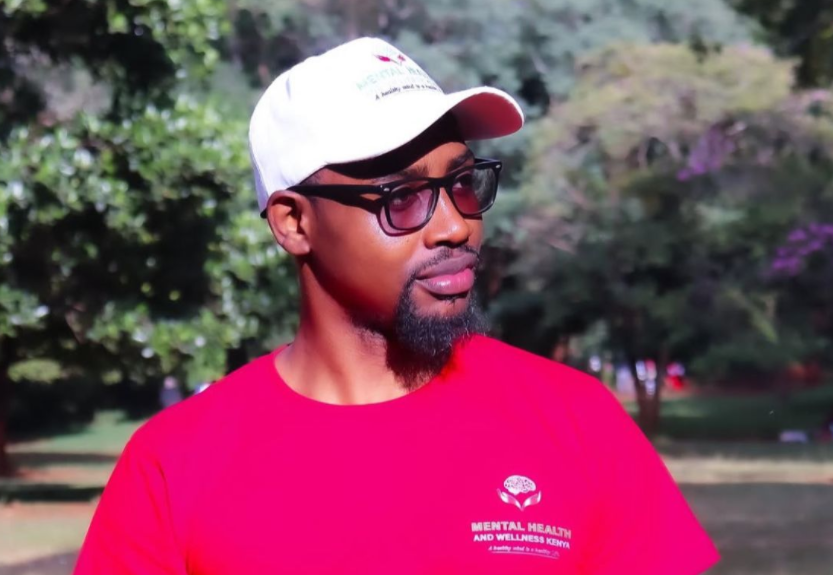
The content creator noted that this situation is particularly evident on platforms such as TikTok, Instagram, and YouTube, where the same challenges, jokes, and storylines are repeatedly recycled.
He said audiences are becoming increasingly aware of the repetition, which can result in reduced engagement and fatigue.
Yuri also pointed out that Kenya has a large pool of talented storytellers, comedians, musicians, and digital creators whose ideas deserve space.
He said originality should be encouraged, especially among emerging creatives who are still finding their voices in a competitive online environment.
He said originality should be encouraged, especially among emerging creatives who are still finding their voices in a competitive online environment.
He further argued that copying content without adding value undermines the effort of those who invest time and resources into developing fresh material. Yuri said creative work should be treated as intellectual labour that requires respect and recognition.
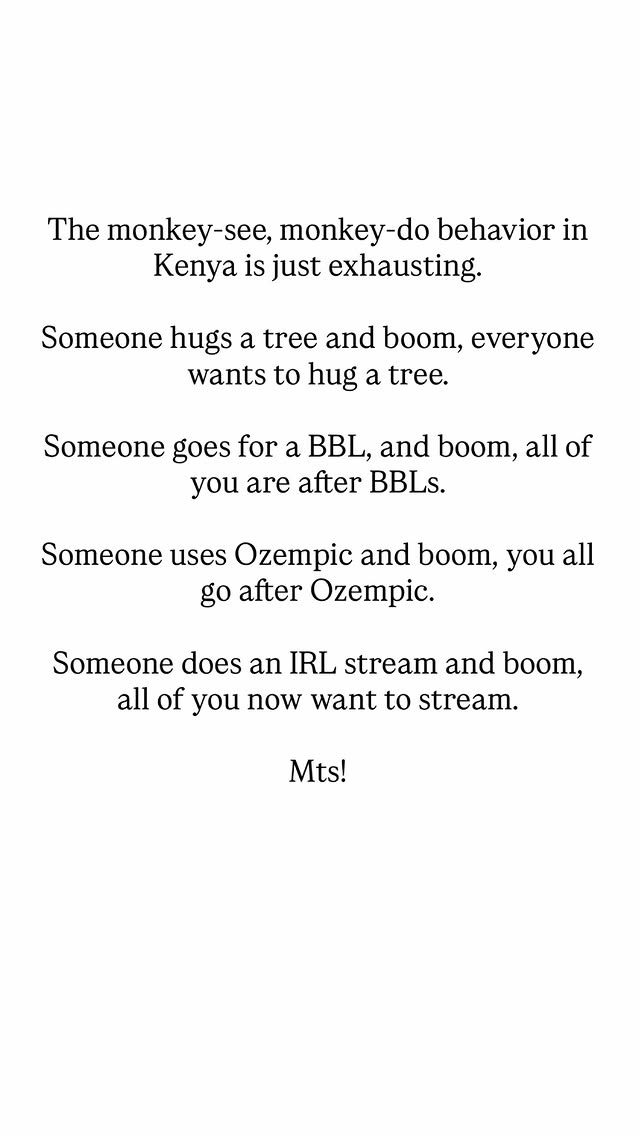
The criticism has sparked conversation among Kenyan netizens, with some agreeing that social media content has become repetitive.
Others noted that trends are part of digital culture but acknowledged the need for creators to personalise and localise ideas rather than replicate them wholesale.
ALSO READ: This Is The Most Important Thing About The Internet That You Need To Know Today
Kenya’s creative industry has expanded rapidly in recent years, driven by increased internet access and the rise of social media monetisation.
Many young people now rely on digital platforms for income, visibility, and career growth.

Yuri said that for the industry to mature, creators must be willing to take risks and invest in originality. He added that sustainable success comes from consistent, authentic work rather than copying what is already popular.
His remarks have added to ongoing debates about creativity, ownership, and sustainability in Kenya’s fast-growing digital economy.




Comments 0
Sign in to join the conversation
Sign In Create AccountNo comments yet. Be the first to share your thoughts!