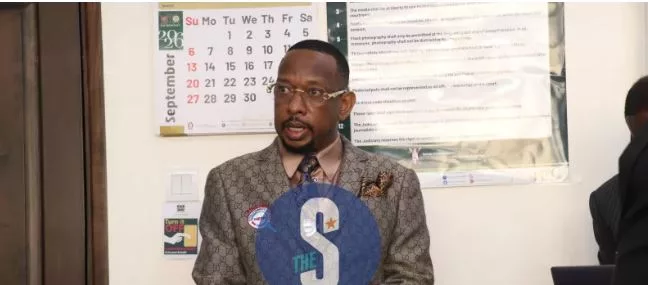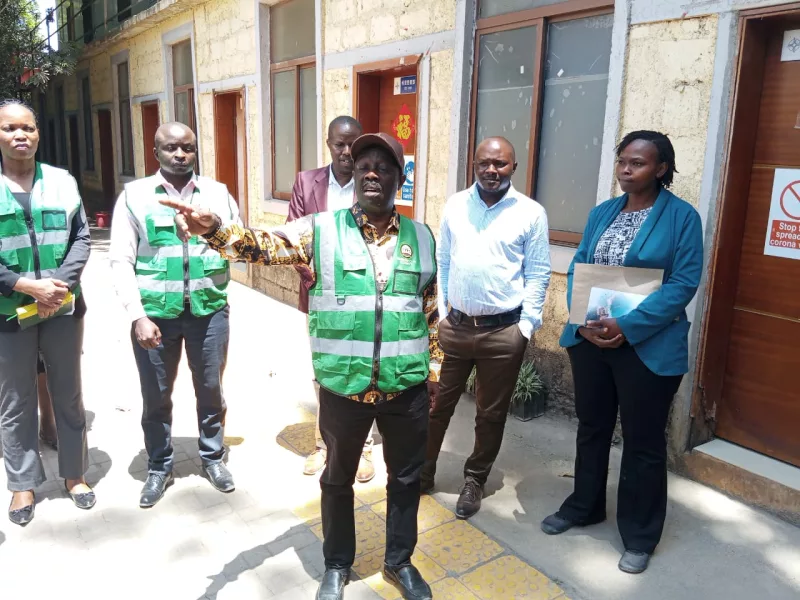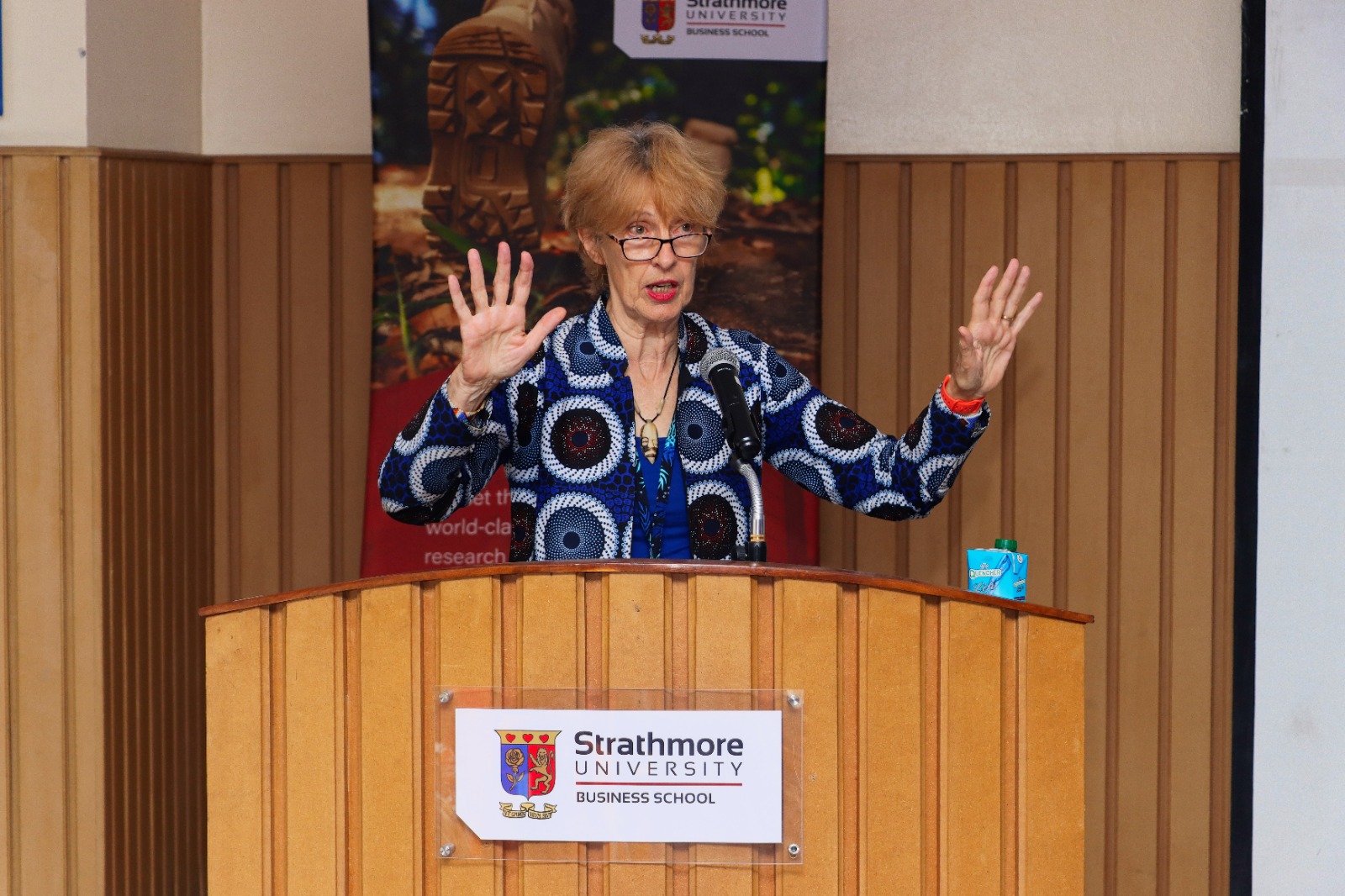
Lead investigator of the True Value of Food Project, Professor Jacqueline McGlad,e addresses participants on January 20
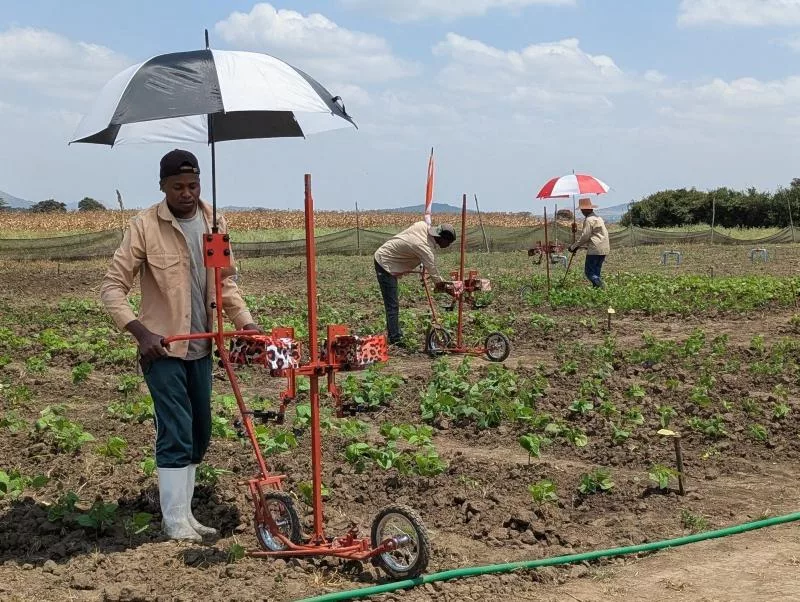
Ten counties have pledged support for the True Value of Food Project, a collaborative initiative aimed at transforming Kenya’s food systems while promoting sustainable livelihoods.
Led by the United Nations Environment Programme (Unep) in partnership with Strathmore University Business School and funded by the IKEA Foundation, the project focuses on 10 Rift Valley counties: Baringo, Bomet, Elgeyo Marakwet, Kericho, Nakuru, Nandi, Narok, Trans Nzoia, Uasin Gishu and West Pokot.
These regions produce 28.5 per cent of Kenya’s agricultural output, valued at $57 million (Sh7.353 billion) and play a critical role in safeguarding ecosystems, habitats, species and cultural heritage.
The project seeks to transform land-use policies and practices to build climate-resilient food and agriculture systems, enhance ecosystem services and improve human well-being. County representatives met at Strathmore University to refine the project’s implementation framework.
Professor Jacqueline McGlade, lead investigator and lecturer at Strathmore University Business School, said the project helps stakeholders assess hidden costs and benefits within food systems.
“It supports informed, inclusive and sustainable decision-making, with a focus on food security, employment, income generation, social cohesion and women’s access to finance,” she said.
The initiative will analyse food systems within the Mau Forest Complex, Cherang’any Hills and Loita Hills, key ecosystems that support water regulation, soil conservation and biodiversity.
Previous work in the Mau Forest revealed that river networks shrank from 7,000 kilometres in the 1960s to 4,000 kilometres in 2019, although restoration efforts have recovered 390 kilometres.
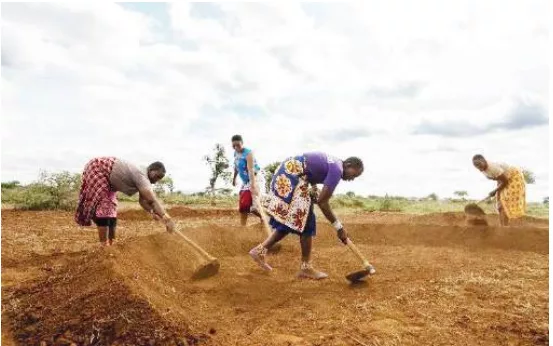
Concerns raised during the meeting included overgrazing in the Cherang’any Forest, soil acidification linked to excessive fertiliser use and destructive sand harvesting.
Participants stressed the need for regenerative, nature-based solutions, including tree planting and ending charcoal burning, to safeguard food security and livelihoods.
Nandi County Director of Environment and Natural Resources James Meli called for swift implementation of the project, while Kenya Private Sector Alliance Jackson Koimbori urged adoption of Sustainable Development Goal 12 on sustainable consumption and production to address ongoing challenges.