Education is often described as a path to freedom and social mobility. Thinkers such as John Dewey argued that learning is inseparable from life itself, while Nelson Mandela famously called education a weapon against injustice.
In 2017, Kenya rolled out the competency-based curriculum, replacing the 8-4-4 system with a 2-6-3-3-3 structure. The state said it was prioritising skills and not “rote learning”.
By 2023, more than 3.5 million learners had entered junior school. Nearly a decade on, however, the results show that more than 60 per cent of public schools lack adequate infrastructure, and costs to parents have increased. While CBC proponents point to creativity and reduced exam pressure, we witness inequality getting worse.
The release of the first Kenya Junior School Education Assessment results on December 11, 2025, covering 1.13 million learners, showed that 59.09 per cent qualified for science, technology, engineering and mathematics pathways.
But the transition from Grade 9 to Grade 10 laid bare CBC’s fragility. Placement pressures, last-minute pathway revisions and capacity gaps have called into question the Kenya National Examinations Council’s assurances that learners would progress based on ability and potential.
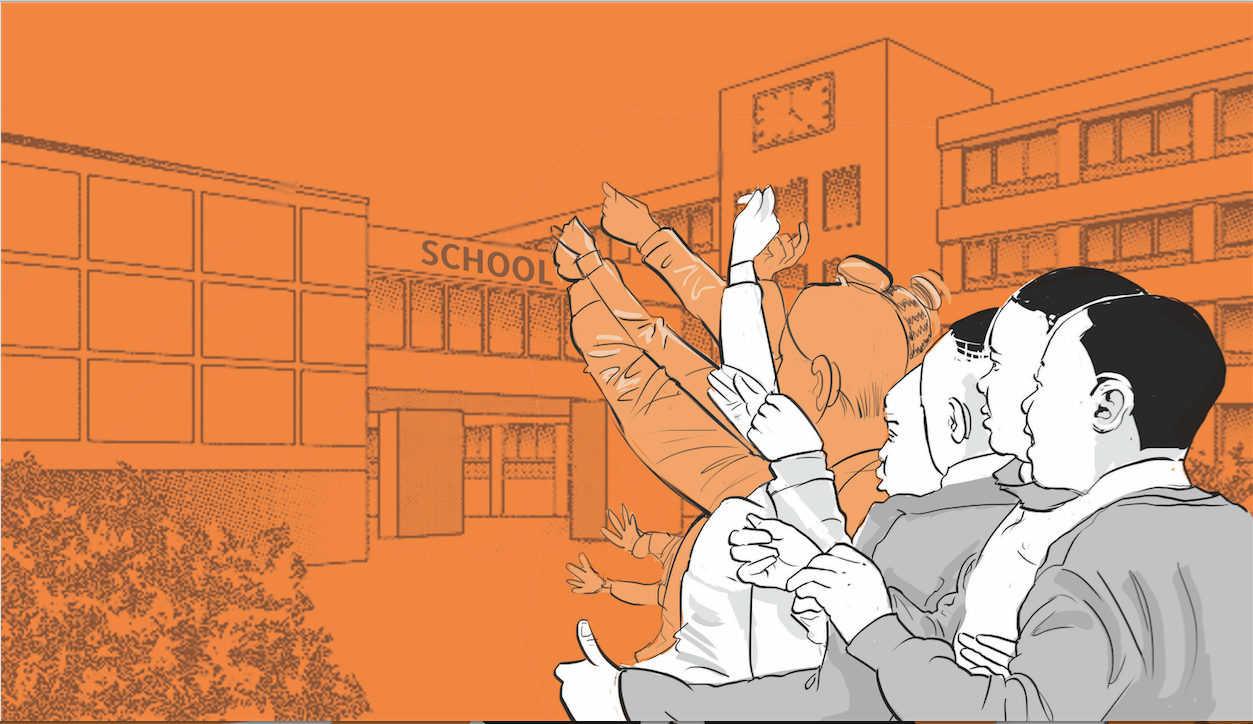
By January 16 this year, when the Grade 10 reporting deadline passed, the scale of the problem was such that only about 60 per cent of learners had reported to school. Boys accounted for 50.3 per cent and girls 49.7 per cent of those enrolled, leaving nearly 800,000 children at home.
The government extended the reporting deadline to January 21, but it did not make much of a difference. National schools recorded near-full turnout, while many county and subcounty schools admitted fewer than 10 learners. Chiefs were deployed to trace “missing” learners.
It should be remembered that at the end of 2025, about 355,000 learners sought reviews of their assigned pathways, but 143,000 applications were rejected because the preferred schools were already at capacity. The mismatch between learner ability, aspiration and available capacity is now undeniable.
Economic pressure has compounded the crisis. Parents report costs of up to Sh50,000 for uniforms, alongside delayed bursaries, unpaid fees and high transport expenses. Classrooms remain half empty, dormitories underused and transition rates sluggish.
Underfunding sits at the centre of the breakdown. Auditor General data shows that between 2020 and 2024, public schools faced a capitation funding gap of about Sh117 billion, with special needs secondary schools recording deficits of up to 50 per cent. Capitation is often delayed or partially disbursed, pushing schools into debt and shifting costs to families.
Adjusted for inflation, free primary education capitation has fallen sharply, from Sh1,420 per learner in 2003 to about Sh250 in 2024. Secondary school capitation has remained stuck at Sh22,244 since 2019. The consequences are shortages of textbooks, learning materials, meals, sanitation facilities and ICT infrastructure. These conditions are incompatible with a competency-based system that depends on well-resourced, learner-centred environments.
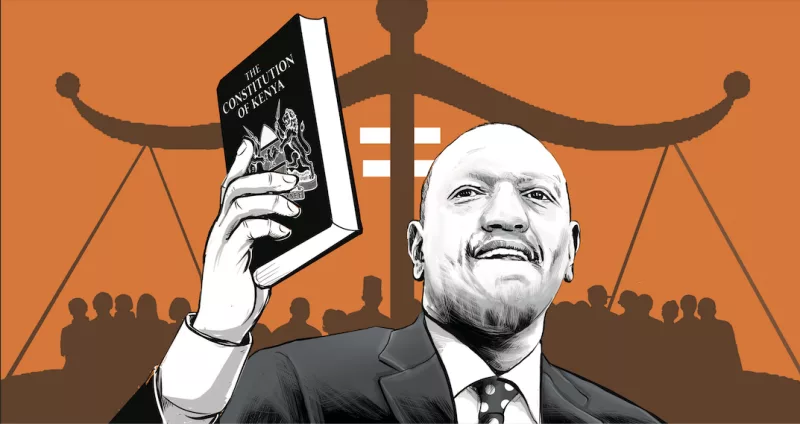
Article 43 of the constitution guarantees the right to education, and Article 53 makes basic education free and compulsory. These are binding obligations. Other countries, including Finland, Canada, Singapore and Germany, have adopted competency-based approaches through gradual reform, sustained investment and extensive teacher training. Kenya’s version has been rushed, underfunded and poorly aligned to its own ideals.
What is at stake is the future of a generation. Unless the structural flaws in CBC implementation are urgently addressed, the country risks turning a reform meant to expand opportunity into one that entrenches inequality.
KHRC’s programme manager for Political Accountability in State Institutions