A growing online debate is shedding light on why some women are increasingly being denied entry to certain establishments based on how they dress.
The discussion was reignited by TikTok creator House Girlfriend, who shared a video addressing fashion trends she believes are influencing how women are perceived in public and commercial spaces.
In her commentary, she points to a rise in cases where women are turned away from restaurants, lounges, transport services, and other venues because of what she describes as “mainstream” clothing that sends unintended signals about its purpose.
Influence of Social Media Fashion Trends
According to House Girlfriend, many young women are purchasing outfits popularized online without understanding the context in which those clothes are originally worn.
She specifically references “Poster Girl” style dresses, which are often revealing, lace-based, and body-hugging.
“These clothes have become mainstream, and everyone is buying them thinking they’re cute,” she says. She adds that many influencers wear such outfits during nightlife activities, private hosting, content creation, or paid promotional appearances.
She argues that when students or working women adopt the same styles for daily activities such as commuting, attending class, meeting friends, or running errands, the clothing can attract unwanted attention or lead to misunderstandings in certain environments.
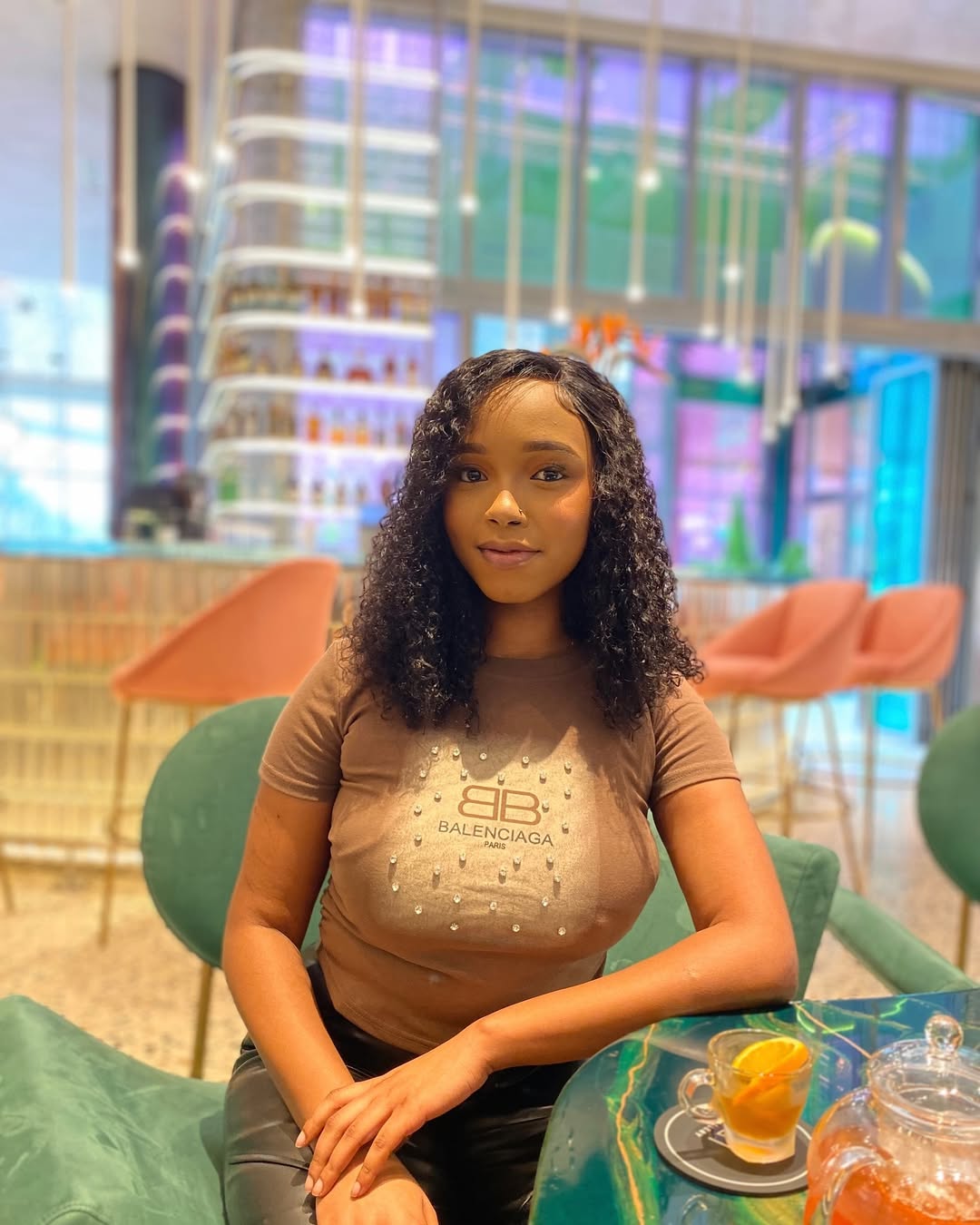
Read More: List of Universities in Kenya with strict dress codes
The creator connects this trend to why some women are reportedly denied entry at specific venues.
In her view, the revealing nature of the outfits — showing intimate body parts — makes establishments associate the wearer with nightlife or adult-industry spaces rather than casual or professional settings.
She notes that women often feel confused when they receive certain looks from staff or security or are turned away altogether. The issue, she suggests, is not necessarily personal but linked to how the clothing is categorized socially.
“That type of clothing is a first vessel for sex work,” she states, explaining that institutions may respond based on what the outfit represents in broader urban culture rather than the individual’s intention.
Retail Trends and Limited Options
Beyond social perception, House Girlfriend also critiques online fashion retailers. She questions why many Instagram shops prioritize selling flashy clubwear over every day, comfortable, and modest clothing suitable for work, school, and social outings.
She says women who want short but decent dresses made from quality material are often forced to spend more or search harder because shops stock fast-fashion items designed for short-term wear.
She also points out that many of these dresses are produced for single use, lacking durability and comfort for regular life activities.

Call for Practical Feminine Fashion
The creator concludes by highlighting the gap between trending fashion and practical dressing needs. She emphasizes that many women want to look feminine, neat, and comfortable without being misclassified or restricted from accessing spaces.
Her remarks have sparked conversation online about fashion influence, retail responsibility, and how clothing choices intersect with access, safety, and social interpretation in public spaces.




Comments 0
Sign in to join the conversation
Sign In Create AccountNo comments yet. Be the first to share your thoughts!