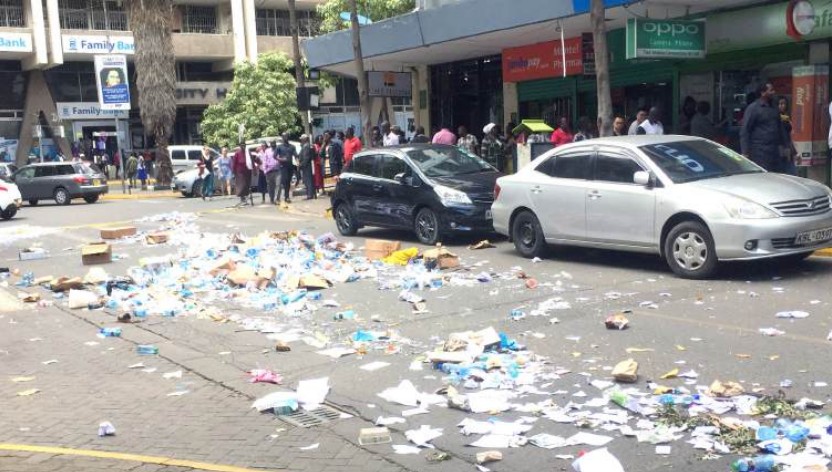
Miriam Otieno, a coffee vendor in Kibera wakes up to a pile of mixed waste dumped near her stall.
“The plastic sachets and food waste is not just dirty, when the sun rises the smell gets unbearable. My children cough every time they step out,” Miriam said.
In South B, taxi driver John Mwangi said he is accustomed to dodging roadside trash on his daily route. “Sometimes you see kids burning rubbish near a drain, that smoke gets into the car, and it stinks. But what options do people have?”
Mwangi said if they collect waste regularly and separate recyclables from the start, maybe they can breathe easier. “But we also need awareness campaigns, so people stop random dumping,” he said.
Data from Nairobi County shows that the capital produces about 3,000 tonnes of solid waste every day, much of it uncollected or disposed of improperly. Only around half of generated waste is reliably collected, leaving hundreds of tonnes on streets and informal dumping sites.
To address this, the county government has launched a State of Circularity Study, in partnership with the Kenya Climate Innovation Centre (KCIC) and the Kenya Industrial Research and Development Institute (KIRDI), with the aim of mapping waste streams and building reliable data on material flows and circular practices across the city.
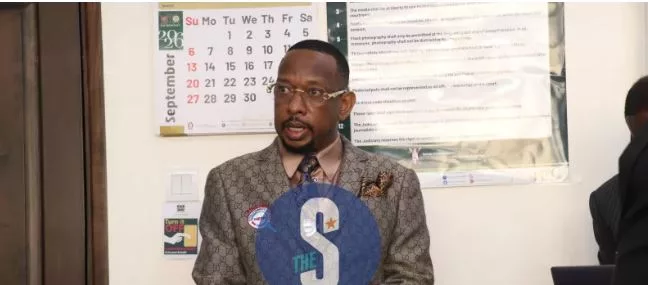
At a recent training workshop for environment officers, Christine Kivuva, Assistant Director for Environmental Monitoring, said the county is committed to moving beyond traditional linear approaches of disposal.
“We must prioritise waste reduction, resource recovery and value creation if Nairobi is to become cleaner and healthier,” she said,
She was speaking on behalf of the Nairobi Director of Environment, John Malawi.
She said the study’s findings will be used to sharpen policy formulation, investment decisions and enforcement strategies, tools he said are essential for modernising Nairobi’s waste management system.
According to Dr Faith Ondeng, a research consultant who has studied waste ecosystems in Kenyan cities, current systems underserve low-income neighbourhoods due to weak integration between formal authorities and informal actors.
“Many neighbourhoods depend on informal collectors because the county collection doesn’t reach them,” she told the media.
A World Bank Report showed that an estimated 0.6 kg of solid waste is generated per person per day in Nairobi, one of the highest in the region, and only about 50 per cent of waste is collected by formal systems in Nairobi.
Nairobi generates 2,000–2,500 tonnes of solid waste each day, of which approximately 50-80 per cent is organic and 20 per cent is plastic.
Recycling rates for Nairobi are far lower than national goals with estimates showing that only around 45 per cent of Nairobi’s waste is recycled, reused, or otherwise diverted from dumping.
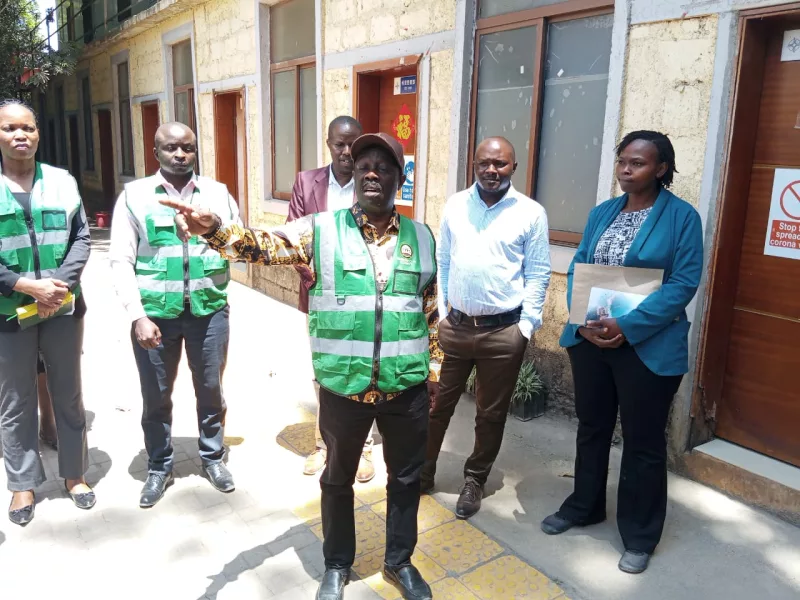
At the two-day training held last week, environment officers learned practical skills in data collection, waste characterisation, and field mapping, and visited a sorting facility operated by Flash Services Limited to gain first-hand experience ahead of the city-wide data collection exercise.
“The quality of the data we gather now will determine how effective the county’s decision-making will be in future,” Kivuva said.
As Nairobi’s population grows and waste streams expand, experts argue that data-driven, sustainable practices are essential not just for cleanliness, but for public health, climate resilience and economic opportunity.
The study will be seeking to transform waste into value, turning organic waste into compost, diverting plastics back into manufacturing, and harnessing data to match waste generation with collection and processing capacity.
For residents like Otieno and Mwangi, the promise of a more efficient system is welcome, but they say it must translate into tangible improvements.