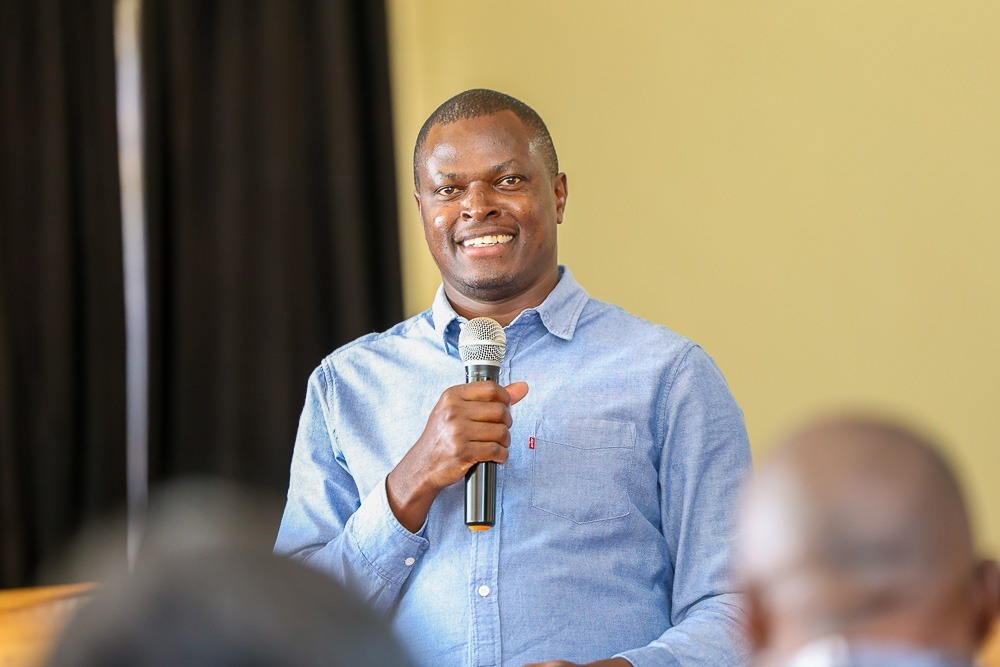
A quiet revolution is unfolding in the classrooms of Kiharu constituency, triggering a storm among lawmakers.
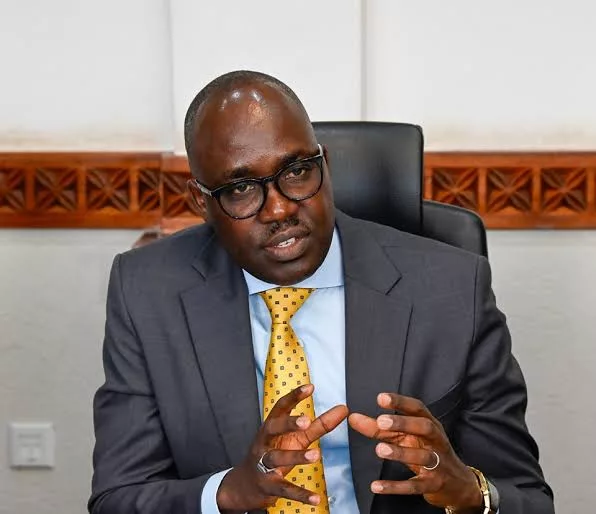
The talk has been triggered by the different path Kiharu MP Ndindi Nyoro has taken. He insists he can only speak for his constituency.
Through a programme dubbed ‘Masomo Bora’, annual fees for day secondary schools in his constituency have fallen to a low rate of Sh500 per term.
The model, which has been operational since 2023, has elicited debate about how the MP is making it work. In an exclusive with the Star, the MP dismissed speculation about secret billionaire backers.
Nyoro said the exorbitant fees charged in many public day schools across the country stems from inefficiencies in procurement, budgeting and debt management.
By aggregating the needs of all 15,000 day school learners in Kiharu and leveraging economies of scale, Nyoro claims to have cracked a code that has left schools debt-free.
He says his constituency’s experiment should be the blueprint for free basic secondary education.
The Star: You have sparked a raging debate with the launch of the Masomo Bora programme. How do you do it?
Nyoro: Kiharu is one of the biggest constituencies in the Mt Kenya region — by land, population, voters and number of schools. My focus here is on how Kenya can begin providing free basic education. We're starting from the toughest place first, so that rolling it out everywhere else becomes easier. Schools in Kenya run like an insurance company. They collect money to pay for supplies that are overdue, some for two years. They are also drowning in debt. In Kiharu now, that is not the story anymore. They may have historical debts, but from 2023, we have incurred zero debts. The school fee is always for lunch, and to plug the capitation budget deficits. We started in 2023, and parents paid Sh1,000 since then. We have now reduced it to Sh500. It has been running smoothly.
How did you work the numbers?
We took the data for our schools and their requirements. By 2023 when we were starting, the money that was needed to run all the day schools in Kiharu was around Sh100 million. We figured out how to raise the money. By that time, because we were dealing with 15,000 learners (Form 1-4), the Sh1,000 per year was coming to Sh45 million.
The other bigger point is value for money. Schools charge high amounts of money for food because a supplier brings small quantities. The low quantity stages the high charge. So a bag of maize of Sh5,000 ends up being sold for Sh10,000. We came to realise that just by bundling those two things, we were able to cut 30 per cent of the money.
From the Sh100 million, you can comfortably run with Sh70 million. Even principals, when setting school fees, know they just need 70 per cent of the same to run smoothly. Any principal in Kenya will tell you that when they put Sh4,000 for food per term, they know 70 per cent will pay, the rest will not. So with Sh70 million needed, of which Sh45 million is already there, leaving a balance of only Sh25 million. CDF suffices, and the story ends.
The strategy is to run all the schools as one school, while adhering to procurement rules. To the supplier, for example, a requirement of 2,500 bags of 25kg for a term. When buying, suppliers know they are required to source the entire quantity. Negotiation power is in amalgamation; you pay much less.
Are there billionaires bankrolling the programme?
Which billionaires? They would have come out to claim the success story. There are no billionaires, and I wish there were. If they are listening, they should come so that we can make it better. It is simple, and it is not just Kiharu doing it.
Do you still have areas that are suffering funding shortages?
Yes, big time. CBC is not being taught anywhere because there is no infrastructure. There is a gross gap in investment when it comes to CBC. I am not saying so because I am on this side; it is the reality. CBC should be practical. If you are doing sports, you should report to a school not to read how to swim but to swim. Some people are going to do aviation, but where? We have done a pilot home science laboratory.
Why education? What about the other core services?
All economic models that I know always give education priority. If you don’t do basic education, it means you have cut the plant from the root. You can’t have fruits when there are no roots. This is our burden as leaders. I am not attacking anyone. This year’s CDF allocation is Sh58 billion, of which Kiharu is getting Sh202 million. I can comfortably do my work with Sh170 million, because that is the money I received the previous year (2024).
Governors have more than Sh400 billion in equitable share, and they can easily do without Sh10 billion. The national government, which has a sea of money, can also contribute Sh10 billion. They can divert the money for renovating big offices to this kitty.
If you do that today, we will offer free basic education in term two, so that some of these issues do not become political gimmicks. It is not about consolidating bursaries but just pooling resources for basic education. The same way we don’t give bursaries to primary schools, we can actually do it in secondary schools by providing Sh30 billion, streamlined to schools so that parents don’t pay.
As chairman of the Budget Committee, did you have an upper hand in getting resources to your constituency, as some critics allege?
The person who complained held a leadership role in Parliament in the opposition. In saying that a committee chair committed a crime, aren’t they saying they failed to do their job? I wish it were somebody else who complained.
What are the parameters? Is this model replicable in other constituencies?
It is doable. For instance, in Mathare, you have people consolidated in one place. If it can work in a large rural constituency, it is much simpler in a consolidated, small constituency because the number of learners are few and the logistics are less burdensome.
Finally, why do we still have so many schools across the country with poor infrastructure?
I can only speak for Kiharu. I cannot purport to speak for other constituencies, but I know most MPs are doing their best.