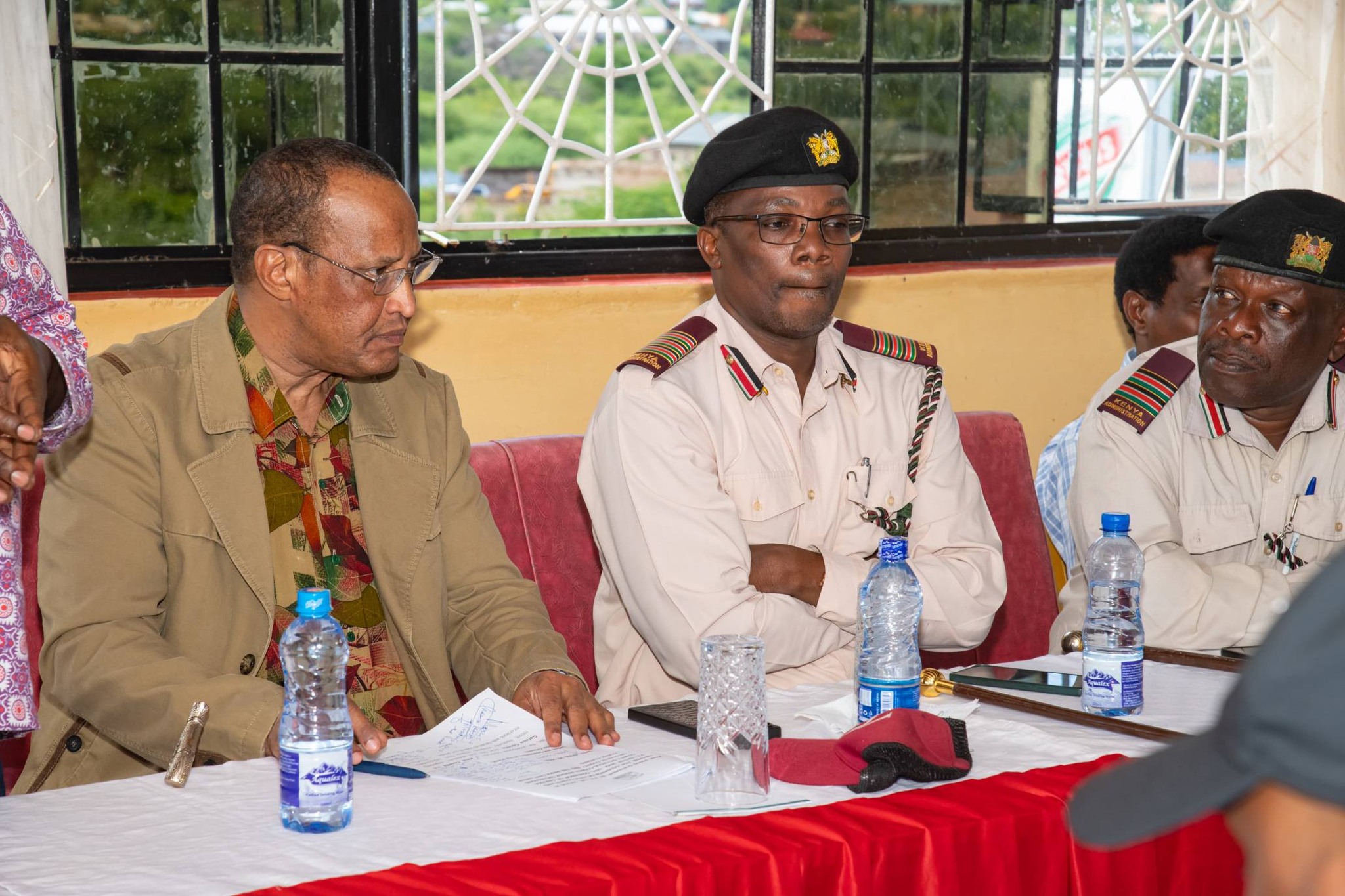
Leaders from Kitui and Garissa have proposed tighter measures to curb perennial border conflicts between farmers and camel herders, which have left hundreds dead over the years.
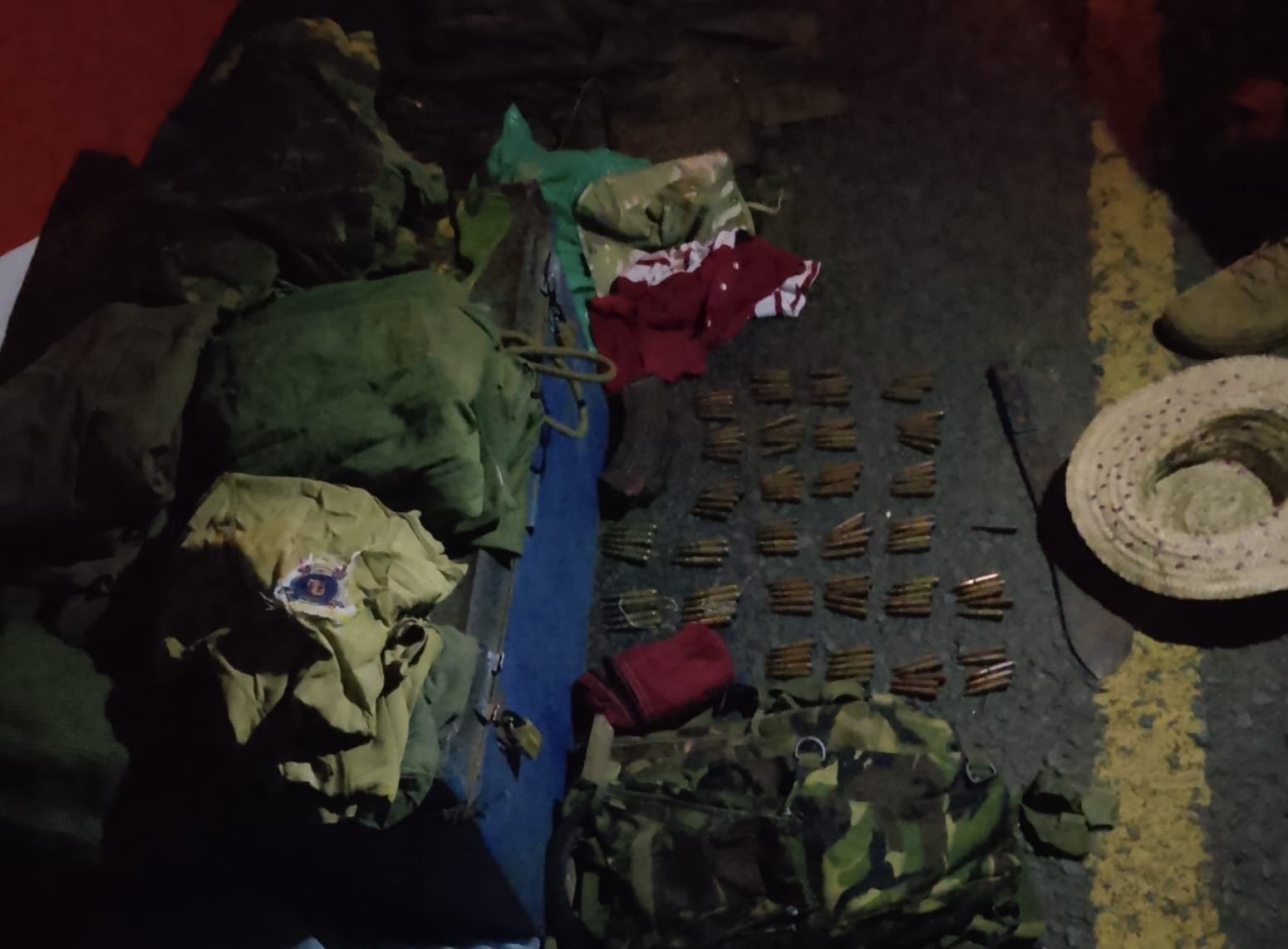
The latest incident involves the killing of a 14-year-old boy earlier this week by suspected camel herders in Ukasi.
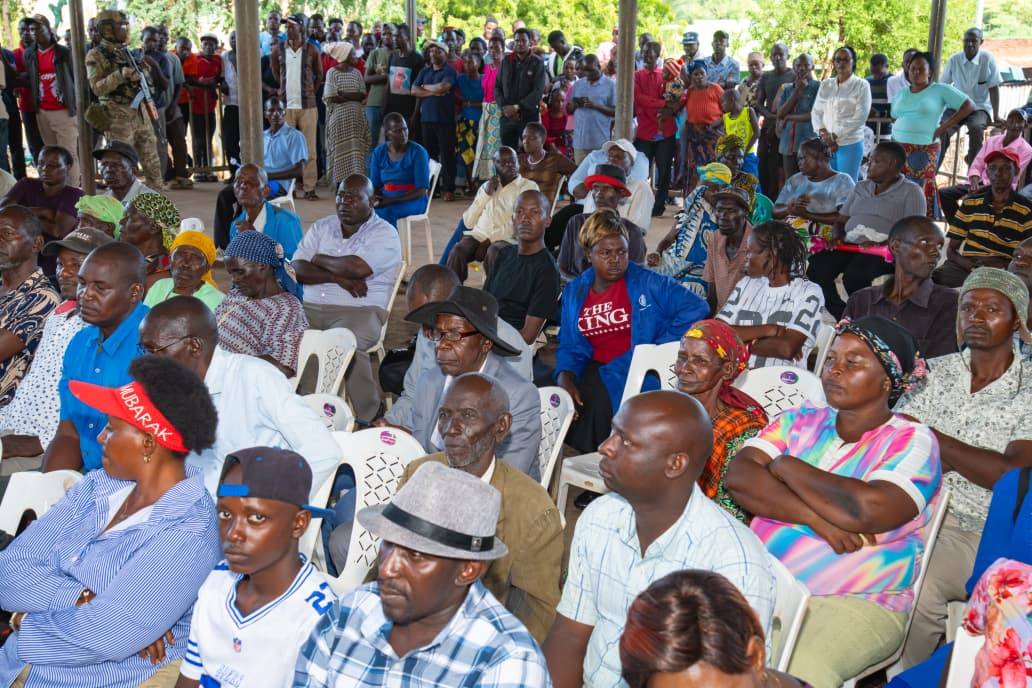
This led to violent demonstrations, with residents blocking transport along the Mwingi–Garissa road for three days.
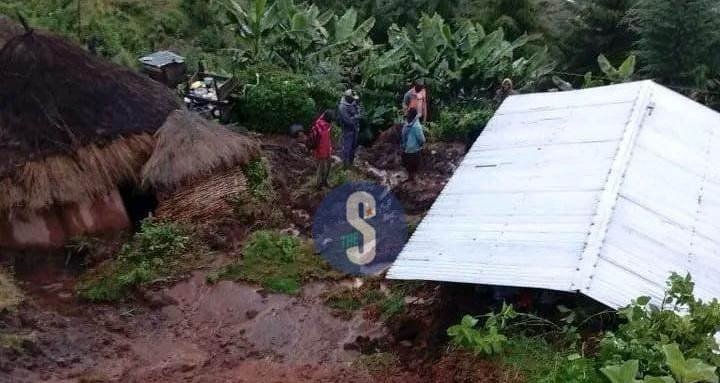
There was also the killing of seven people in Kwa Kamari village in Tseikuru by armed bandits.
The continued attacks prompted joint security meetings with security agencies and local leaders to address the matter and prevent further loss of life. Among the proposals is the creation of a register of all camel owners and herders in Kitui county.
This will be maintained by chiefs and assistant chiefs and forwarded to subcounty and county security committees for monitoring.
Chiefs will also be required to track the movement of herders. This will make it easier for security agencies to trace them and make swift arrests in the event of security incidents such as those witnessed in recent days.
Speaking during the meeting, Kitui Governor Julius Malombe called on the warring communities not to allow themselves to be divided by a few criminals perpetrating inhumane killings in the area.
“We will put strategies in place to know who has camels in this county. Let us also be truthful. There are some people in this county who have leased their land to camel herders to graze their livestock. That’s the truth,” Malombe said.
“We want to know the real owners of the camels, those who have leased their land to the herders, and the employees on the ground herding. We want to have all the details of the camel herders, including their phone and identity numbers, so that when something happens, we know where the suspects are,” he added.
Garissa Governor Nathif Jama criticised security agencies for laxity, accusing them of failing to make arrests of perpetrators of violence and killings days later.
Jama regretted that it had been two weeks since the killing of a 24-year-old taxi driver in Garissa and nearly a week since the killings in Tseikuru and Ukasi, yet the police had not made a single arrest.
“If there are criminals killing our people, why have they not been arrested? Why are our security systems lagging in making arrests? There is no need for such incidents to happen and then we complain as a national government,” Jama said.
“We need to take swift action when such incidents occur. Security agencies in this country must do their work well. If the suspects had been arrested and charged, these demonstrations would not have happened,” he added.
The meeting also brought together county commissioners Mohamed Mwabudzo (Garissa) and Erustus Mbui (Kitui), along with their security committees. Public service transport resumed on Friday following the meeting in Nguni yesterday.






Comments 0
Sign in to join the conversation
Sign In Create AccountNo comments yet. Be the first to share your thoughts!