After nearly 100 hours offline, Ugandans are back online following a temporary suspension of public internet services that began on January 13, 2026.
The Uganda Communications Commission (UCC) announced that normal internet connectivity was restored on the evening of Saturday, January 17, just hours after the Electoral Commission declared the results of the presidential elections.
The shutdown, which started at 6:00 pm on January 13, was implemented as a precautionary measure ahead of the January 15 elections.
Authorities cited concerns over potential misinformation, disinformation, and online activities that could disrupt public order or compromise national security during the sensitive election period.
ALSO READ: Yoweri Museveni to extend 40-year rule after being declared winner of contested poll
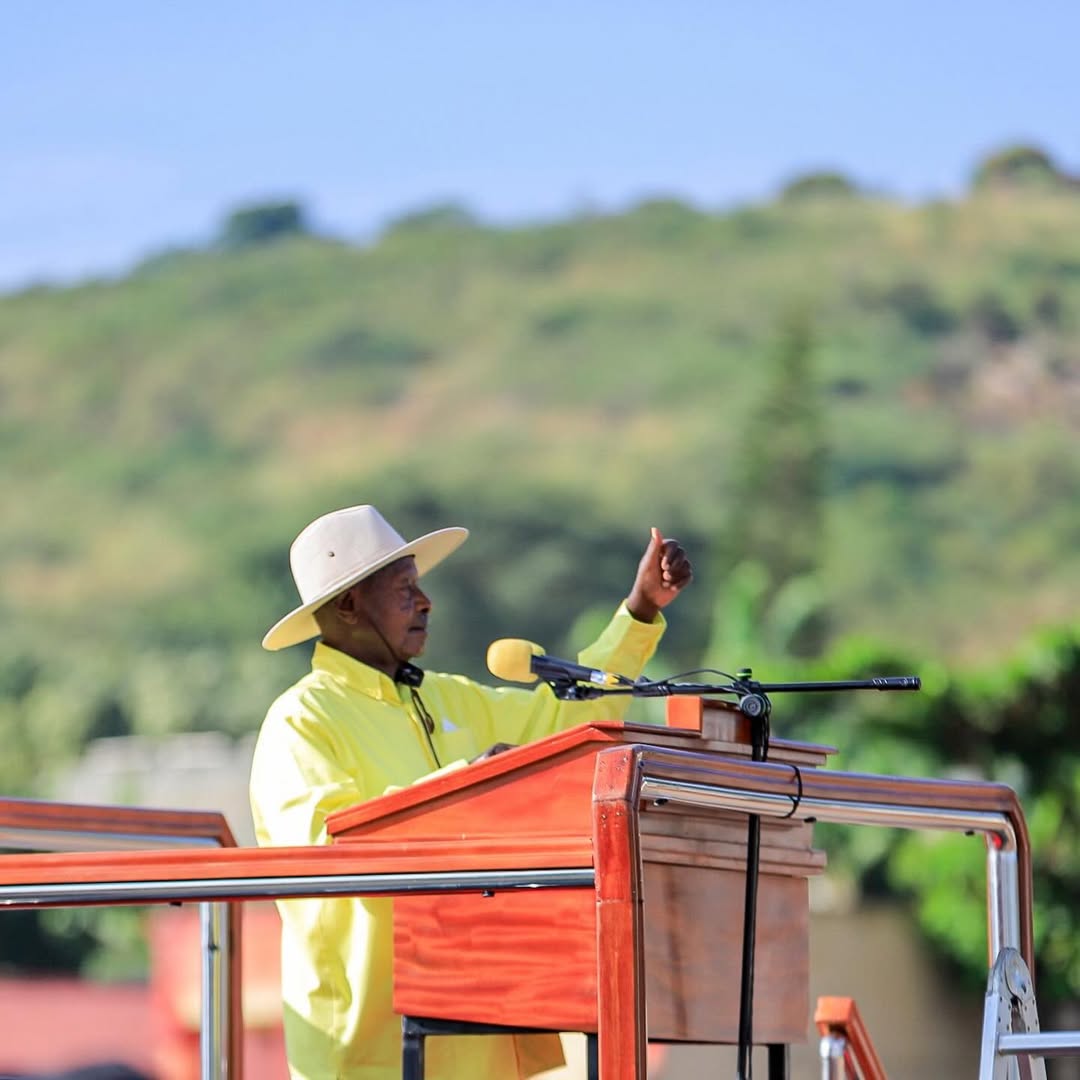
Incumbent President Yoweri Kaguta Museveni was declared the winner with 71.65% of the vote, totaling approximately 7.9 million votes, while opposition candidate Bobi Wine received 24.72% or 2.7 million votes.
With the election results now public, internet access has returned, allowing citizens to share their reactions and engage in discussions online.
Scope of the Shutdown
The UCC’s directive required all licensed mobile network operators and internet service providers to suspend public internet access.
The restrictions affected mobile broadband, fibre optic networks, fixed wireless access, leased lines, microwave radio links, and satellite internet services.
In addition, the sale and registration of new SIM cards and outbound data roaming within the One Network Area were halted.
Some critical services remained operational under strict controls, including healthcare systems at national referral hospitals, core banking and interbank transfers, government payment platforms, and tax services through the Uganda Revenue Authority.
Government infrastructure such as immigration systems, electoral platforms, voter verification networks, and election results transmission systems also continued to function.
Essential utilities and infrastructure, including power grids, water supply, fuel distribution, aviation control, railway signalling, and transportation networks, remained online via restricted, non-public internet access.
Network monitoring centers, cybersecurity systems, and regulatory reporting platforms were also exempt.
Social Media and Communication Restrictions
Despite the restoration of public internet, the UCC had previously emphasized that access to social media and messaging apps was strictly prohibited during the shutdown to prevent coordinated misinformation campaigns.
Telecom operators were required to enforce stringent access controls using private networks, whitelisted IP ranges, and secure VPNs limited to approved systems, with mobile VPN services entirely disabled.