Former Radio Citizen host Jeridah Andayi has shared observations on how religious expression is approached in the United States, describing a social environment where faith is treated as a private and highly individualized matter.
A Cautious Approach to Faith in Public Life
According to Andayi, religion in the United States is not assumed to be a shared experience, particularly in professional or public spaces.
She notes that individuals are expected to tread very carefully when addressing matters of faith, as assumptions about belief can easily lead to discomfort or exclusion.
The Absence of Prayer in Formal Meetings
One of the most visible reflections of this cultural norm is the absence of prayer in meetings and formal gatherings.
Andayi observes that meetings in the United States do not begin with prayer, a practice that may be common in other regions. "By the way, in America, we don't pray before we start meetings." She stated.
She explains that this approach is considered standard and acceptable within the American context. Professional spaces are typically maintained as secular, ensuring neutrality and inclusivity. The lack of prayer is not framed as a rejection of religion, but as a practical measure to accommodate diverse beliefs in shared spaces.
Religious Language in Everyday Interactions
Everyday social interactions are also shaped by this sensitivity. Andayi points out that people do not casually use religious phrases such as “God bless you” when speaking to others.
The reasoning, she explains, is that one cannot assume the other person believes in God or subscribes to any religious tradition.
Instead, neutral expressions like “have a good day” or “goodbye” are commonly used. Religious language is reserved for situations where there is a known and established shared belief. “You only use it if you know the person from that point of view,” Andayi notes.
Visiting the Sick and Celebrating New Life
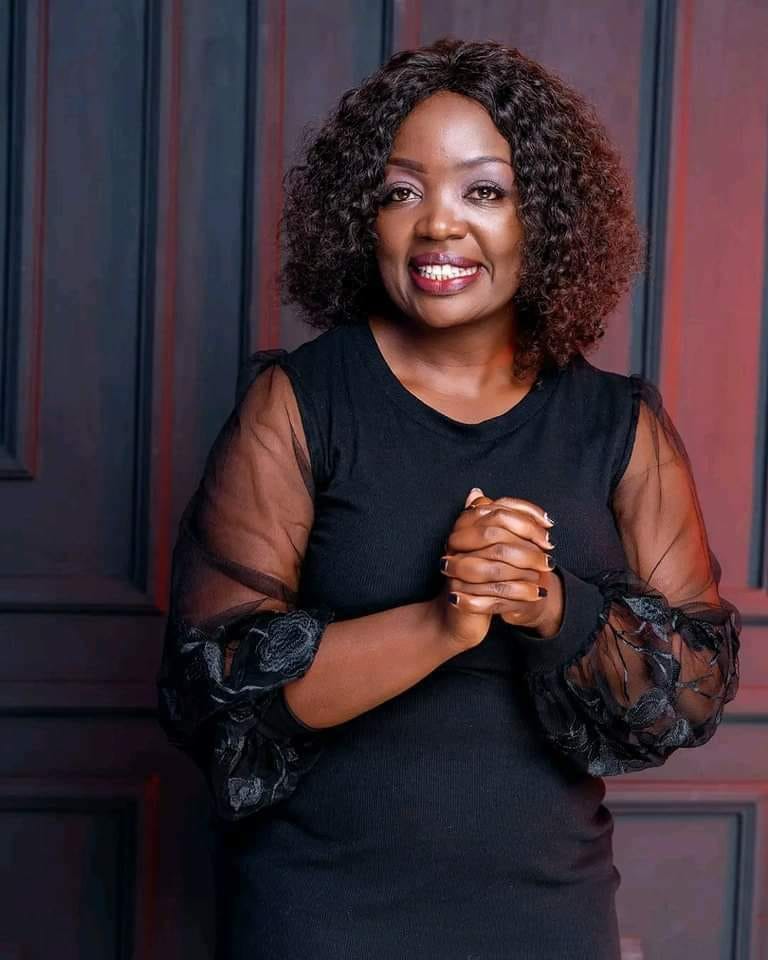
The careful handling of faith extends into deeply personal moments, including visits to the sick or families with newborn children. Even in these settings, prayer is not initiated automatically.
Andayi explains that, even among individuals who attend the same church or have met in a religious setting, it is still customary to ask for consent before praying. A common approach would be to ask, “Would you like me to pray with you?”
READ MORE: Jeridah Andayi discloses reason she chooses to keep hubby out of limelight
Similarly, when visiting someone who is unwell, it is not standard practice to announce an intention to pray or to lead a prayer without first confirming that it is welcome.
"You don't go visit for example a sick person and say let us pray or I will pray for you." These situations are treated with particular seriousness to respect personal boundaries.

Faith as a Personal Matter
At the core of these practices is the understanding that religion is personal rather than collective. Andayi describes faith in the United States as something individualized, not assumed or imposed.
“This is how it works around here,” she says, emphasizing that awareness and sensitivity are essential when navigating religious matters. The approach reflects a broader cultural expectation that belief systems are private choices, requiring respect and discretion in all forms of social interaction.