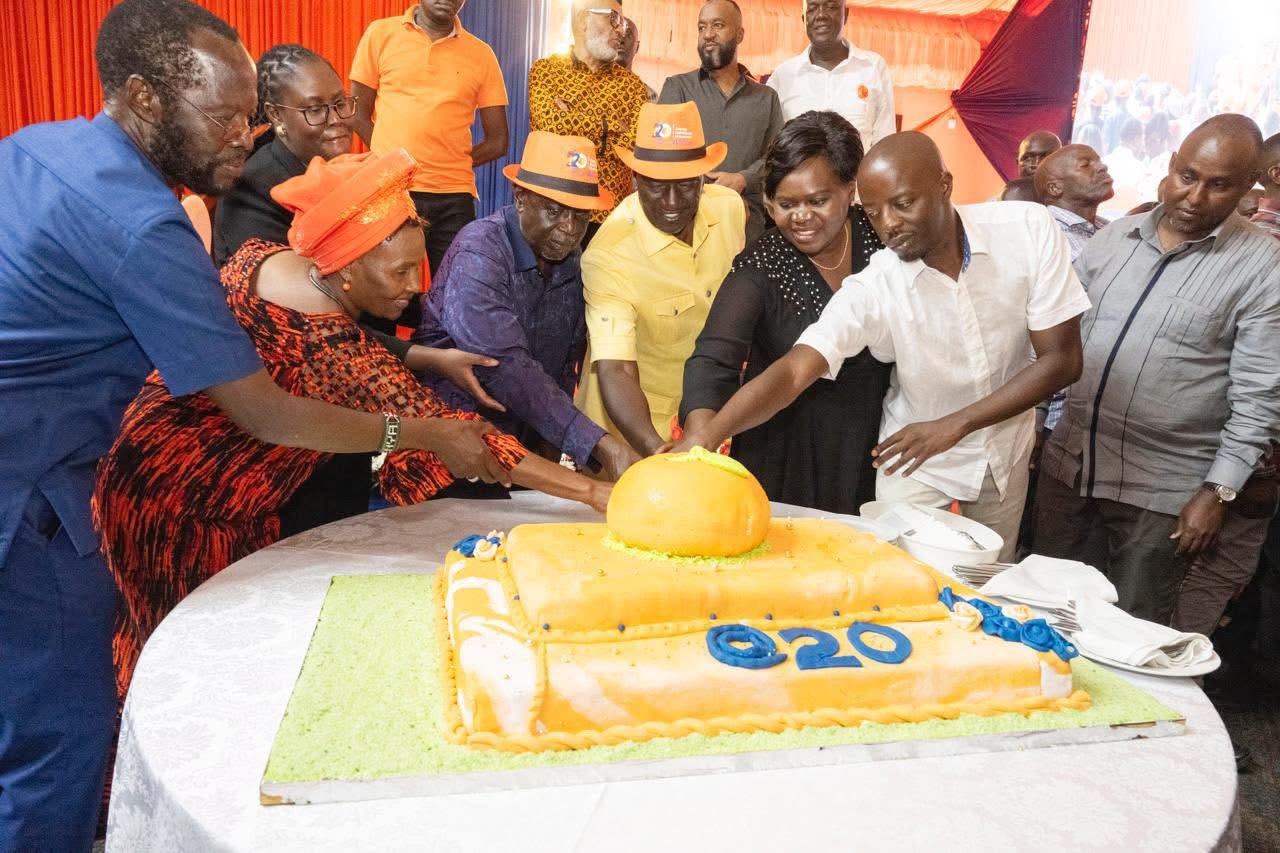
The air in ODM’s backyard is thick with more than just dust. Infighting has now dominated public discourse, causing jitters that the fissures may finally crack wide open.
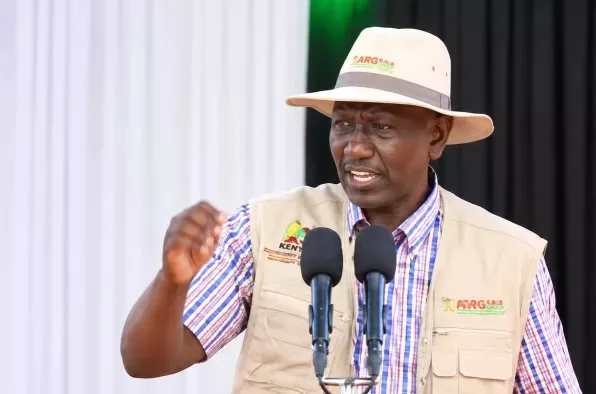
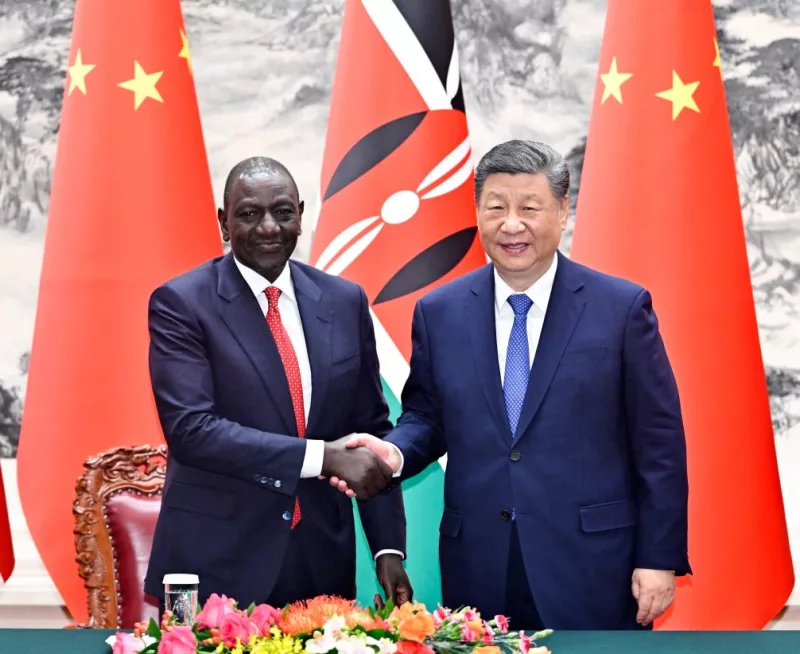
Adding to ODM’s woes is its current affiliation with President William Ruto. The has culminated into whispers of a 2027 coalition, but this feels less like revival and more like opportunism.
If anything, aligning with the head of state is beginning to look a lot like a problem to the party, highlighting ODM’s role as a political outfit that enters agreements for the political survival of a few and not for the welfare of the masses.
The situation points to a foundational problem: Kenyan political parties are largely democratically unsound and poorly grounded to survive their leaders.
As new party leader Oburu Oginga struggles to steady the ship and leaders insist ODM is stable, the disjointed communication from party ranks can no longer be ignored.
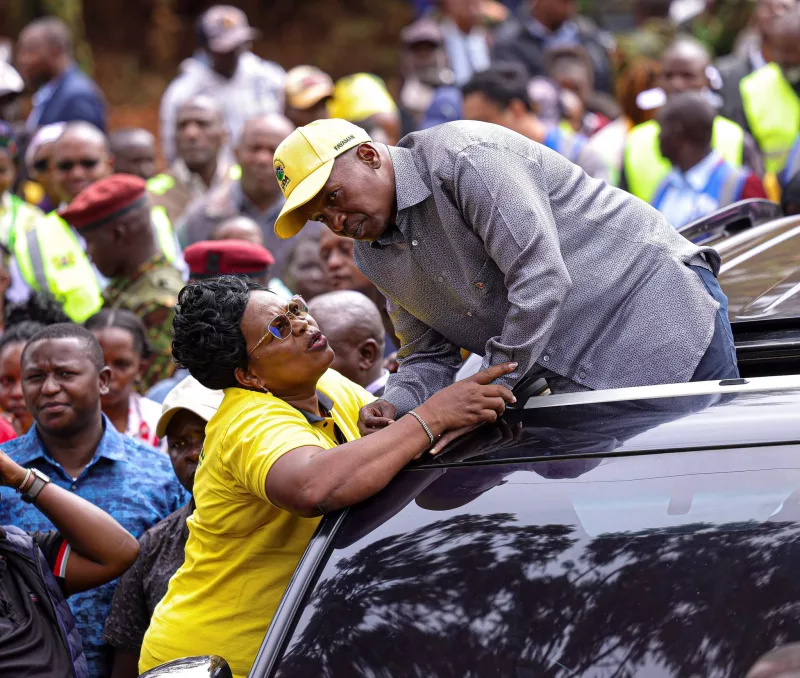
Murmurs of a split have grown louder after Makadara MP George Aladwa led Nairobi delegates in backing Oburu’s leadership early this week. Aladwa went on to insist that ODM would partner with UDA, asking those against the arrangement to ship out.
He is only the latest entrant to support the party’s dalliance with the Kenya Kwanza administration and pour cold water on those calling for the party to revert to its previous identity—speaking for the people.
Those against—secretary general Edwin Sifuna, Embakasi MP Babu Owino and Siaya Governor James Orengo, among others—appear to be increasingly edged out.
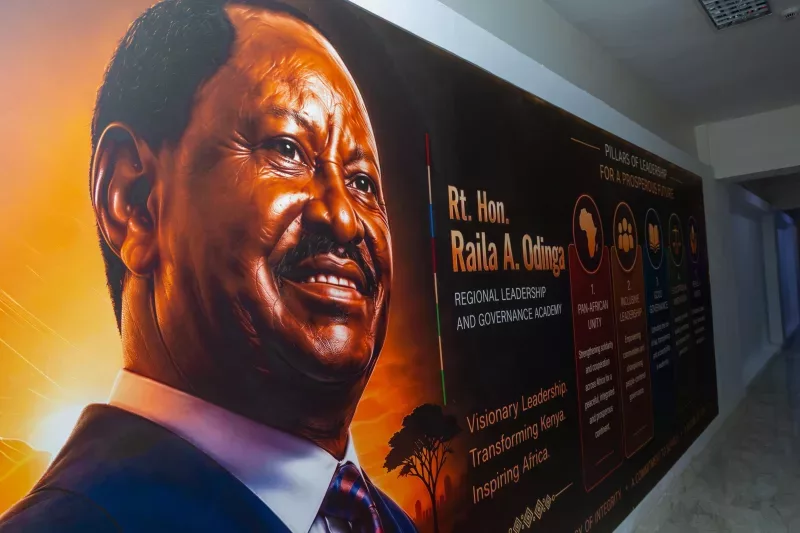
ODM teeters on a familiar precipice as history offers clear precedents for parties facing their founder’s exit.Take the cautionary tale of Ford-Kenya.
After the death of its unifying leader Kijana Wamalwa in 2003, the party fractured and diminished into a regional rump. It proved that parties built around individuals often die with them, unable to institutionalise beyond their founder.
Then there’s Kanu—the gritty survivor. Despite Jomo Kenyatta’s death in 1978, Kanu endured under Daniel Moi by morphing its patronage networks. While even Uhuru Kenyatta’s 2013 ditch for TNA couldn’t kill it outright, Gideon Moi was left to tinker on with Kanu and its faded glory. However, now a shadow of its former self, its longevity showcases some reinvention through adaptability rather than rigid nostalgia.
It would seem Ruto is walking his predecessors footsteps and his very own UDA will not live to see 2027—not in its current state anyway. Chances are, UDA and ODM (either in its entirety or a fraction of the orange) will come together and morph into a totally different entity.
Another scenario would see the President waltz into ODM and
become its flagbearer, as a number of leaders within the party have invited him
to do. Whichever way, UDA looks stillborn.
Narc, by contrast, died a spectacular death. Mwai Kibaki’s 2002 triumph shattered its rainbow coalition post-2005 referendum, as ethnic betrayals birthed PNU and ODM in its rubble—no reinvention, just wholesale collapse. Power and greed snuffed out the dream, demonstrating that without institutional glue, unity unravels after victory.
The Kenyan party problem is that they are built on quicksand. They are not institutions but personal electoral vehicles—tools for ambition, not vessels for ideology, setting them up for premature death.
They often die because they are either funded and controlled by one individual or a tiny clique, lack grassroots institutional structures—the ‘office’ is a Nairobi briefcase and serve short-term coalition-building needs, not long-term vision. Loyalty is to the person who dispenses cash and tickets, not to a party manifesto.
For ODM to craft a new precedent, it must dare to be different: to immediately transition from a person-centric party to a system-driven one. It should establish more transparent, member-driven funding models and candidate nomination systems. Additionally, the party should embrace the ‘Ideology Audit’ to attract thinkers, not just sycophants.
Perhaps the most unpopular—but probably best step—would be to pick an obscure pilot. The next leader must be a nobody. As radical as it sounds, electing a leader not named Oburuand with no presidential ambition might be ODM’s saving grace.
That also means leaving out Ruto. Instead, choosing a competent manager to rebuild the brand for the next life cycle would prove the party is bigger than one family.
If that were the case, Oburu would have to be appointed a more nonchalant position and even Winnie Odinga would only be considered in matters such as policy, not presumed leadership inheritance.
As it stands, ODM’s future hinges on a choice: remain a beloved but fading monument, or combust and reconstitute as a genuine, resilient institution. There is no quick fix.
To live well into the next 20 years and beyond, it must perform the surgery Kenyan politics desperately needs: sever the umbilical cord linking party survival to a single name. If it succeeds, it won’t just save itself; it might finally give Kenyans the gift of a real, living political party.